Label Type
Cultural/Historical ContextLabel
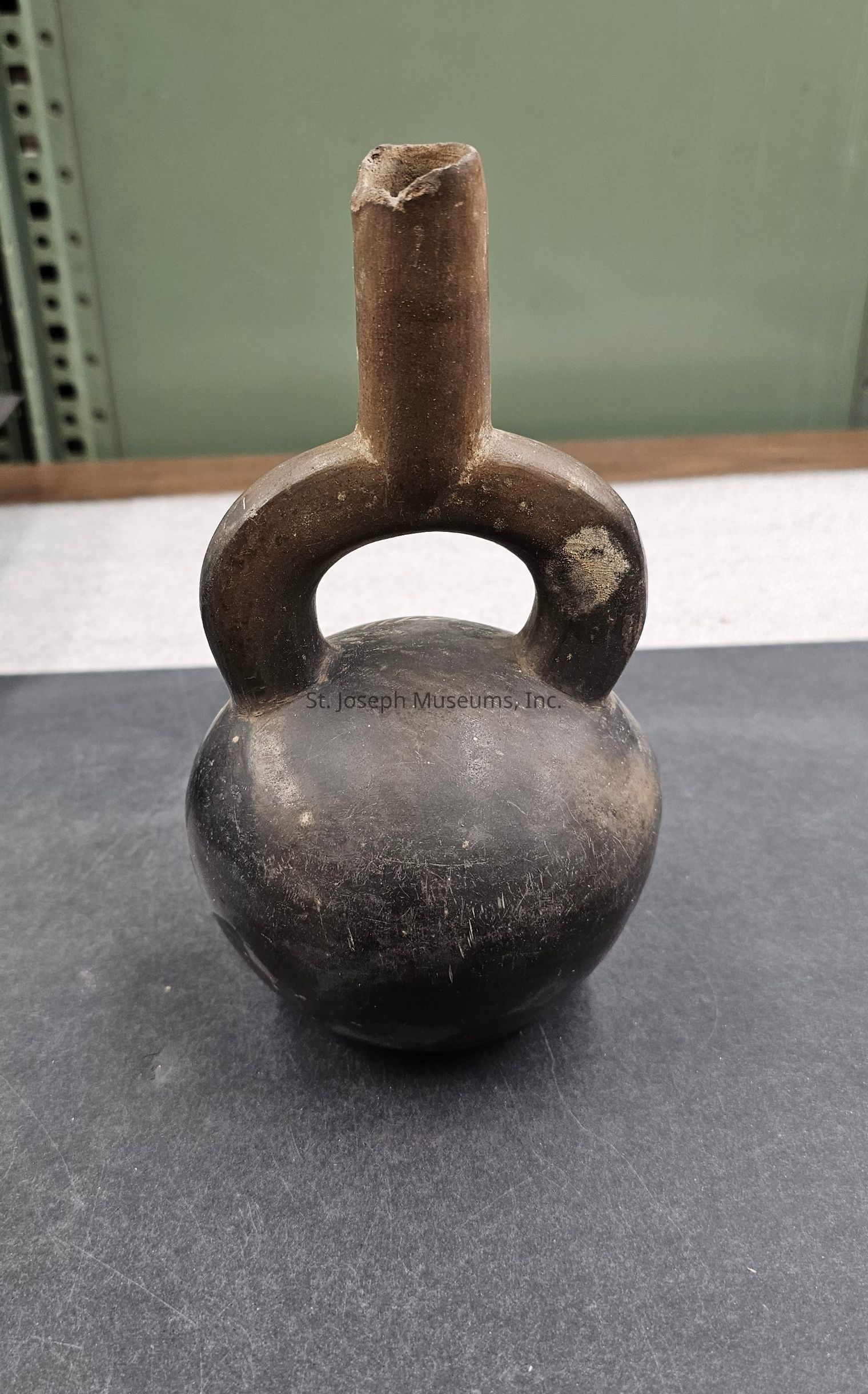
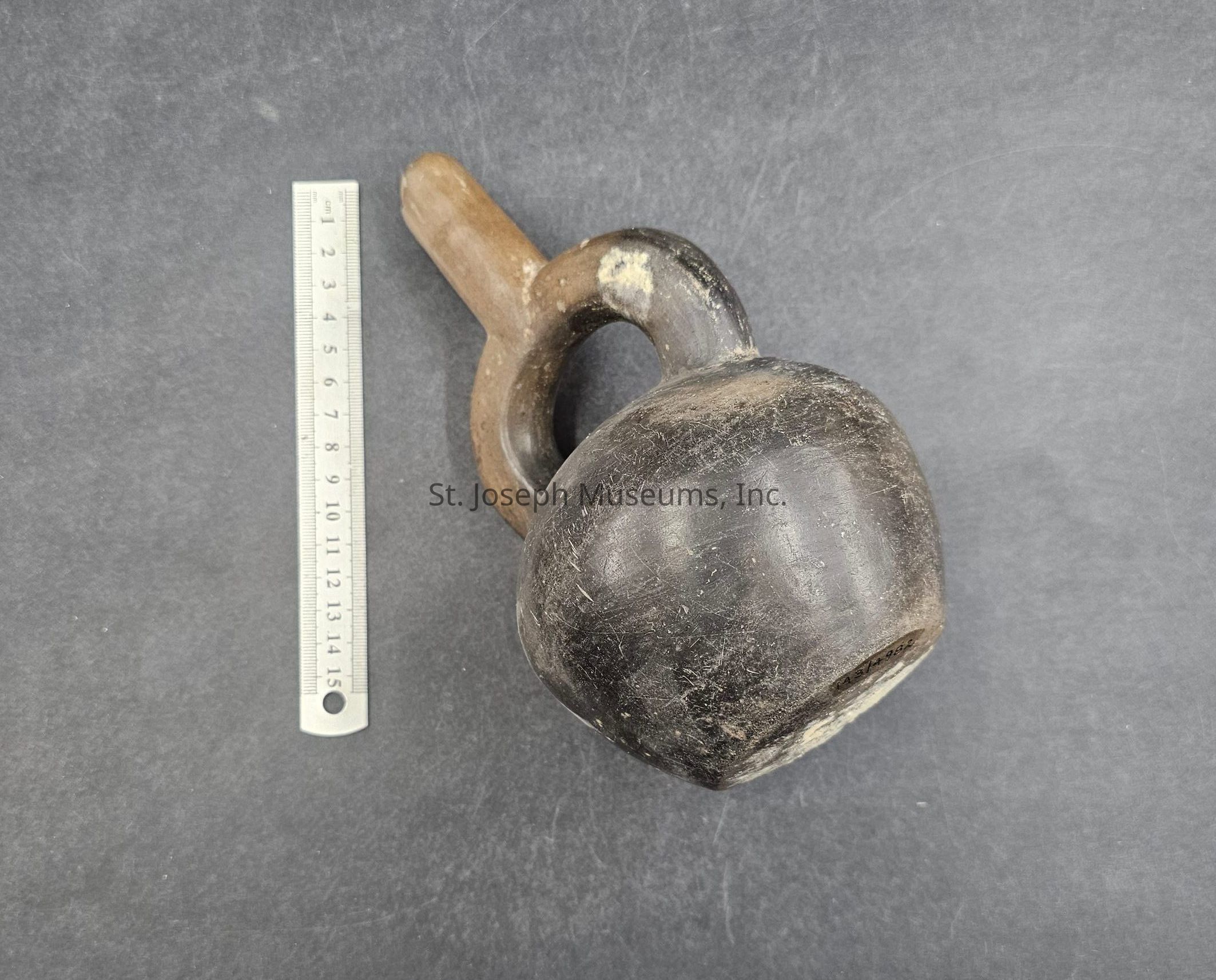
Peru is home to one of the most famous ancient civilizations, however the Inca were not the first group of people to establish settlements in Peru. The first culture to be established in Peru, though it is not a well known culture, is called the Caral civilization. Some researchers argue that this civilization is the oldest in the Americas, existing as far back as 3500 BCE. The Chavín civilization developed in the northern Andes around 900 BCE. This civilization got its name from a massive temple complex at Chavín de Huántar. Around 500 BCE, the Chavín culture domesticated llamas, which provided essential transport and labor assistance. Llama meat was also dried into what the Andean people called ch’arki, the origin of the word jerky. The Nasca culture developed in the coastal areas of Peru between 200 BCE and 600 CE. This culture is most famous for the fantastical “Nasca lines”, which are hundreds of huge lines carved into the earth, depicting geometric shapes, human figures, and images of animals. These carvings vary in size, but some of them reach more than a hundred meters in length. The meaning of these carvings is still debated and archaeologists are still discovering new carvings. The Moche culture thrived around 200 to 900 CE. This culture left behind amazing works of art and architecture, including grand pyramids. Ceramics and metal-working were highly prized and highly skilled jobs, with pottery being incredibly elaborate and detailed and jewelry and other fine metalwork being very intricate. Though on a much smaller scale than their later incan counterparts, the Moche did participate in human sacrifice. These are not the only early civilizations in Peru, but an example of the rich cultural history of the area.
The Inca Empire rose to power in the Andes region of Peru in the 12th century CE. At the peak of its power, the territory controlled by the Inca covered over 2,500 miles and had over 12 million people. A military people, the Inca expanded their empire mostly through military conquest. The Inca had no written language, instead using knotted cords known as quipu to keep track of historical and financial records. Part of their notoriety today comes from their lasting cultural and artistic achievements. One of the most famous of these achievements is the mountainous complex Machu Picchu, a feat of architectural wonder.
The Inca also had an elaborate system of roads that crossed the kingdoms. Relay runners were able to pass messages at a rate of 150 miles per day; similar to the Pony Express, but without horses. The Inca also were accomplished surgeons, most notably in the art of skull surgery. Incan surgeons were extremely skilled at trepanation, which is a procedure where a section of the skull is removed to relieve pressure in the skull. Learn more about trepanation in the Psychosurgery Room in the Glore section of the museum. The inca are also incredibly famous for their religious ceremonies. During these ceremonies, priests or shamans would conduct a wide variety of religious rituals, depending on what the ceremony is for. Shamans relied heavily on divination to do such things as solve crimes, diagnose illnesses, and predict the future, namely outcomes of warfare. Animal and human sacrifice was used in these ceremonies, and sometimes the mummified remains of previous emperors would be brought back out to be paraded around the ceremony. Like other Mesoamerican civilizations, the Incan Empire was brought to an end by the arrival of the Spanish, who brought disease, warfare, and general upheaval to the area, The last of the Incan Empire was conquered in 1572, marking the end of the Incan Empire.