Label Type
Cultural/Historical ContextLabel
The history of Japan dates back to 10,000 BCE when the Jomon people first came to the island from Southeast Asia. This Neolithic culture thrived on the island for almost 8,000 years. In the 500s CE, the Yamato clan rose to power and became Japan’s first dynasty. During this time, Buddhism was introduced to the island and Chinese culture heavily influenced the developing Japanese culture. In 710 CE, the first permanent capital city in Japan was established in Nara, though the capital city was moved to Kyoto in 794 (where it remained for over 1000 years). The Heian Period (794-1185) saw the decline of Chinese influence over culture in Japan. This period of time is often regarded as a high point in Japanese culture, with the rise of colorful yamato-e style painting and Waka style poetry being introduced. During this time, the Tale of Genji was written. The Tale of Genji is often regarded as the world’s first novel and was written by Lady Murasaki Shikibu.
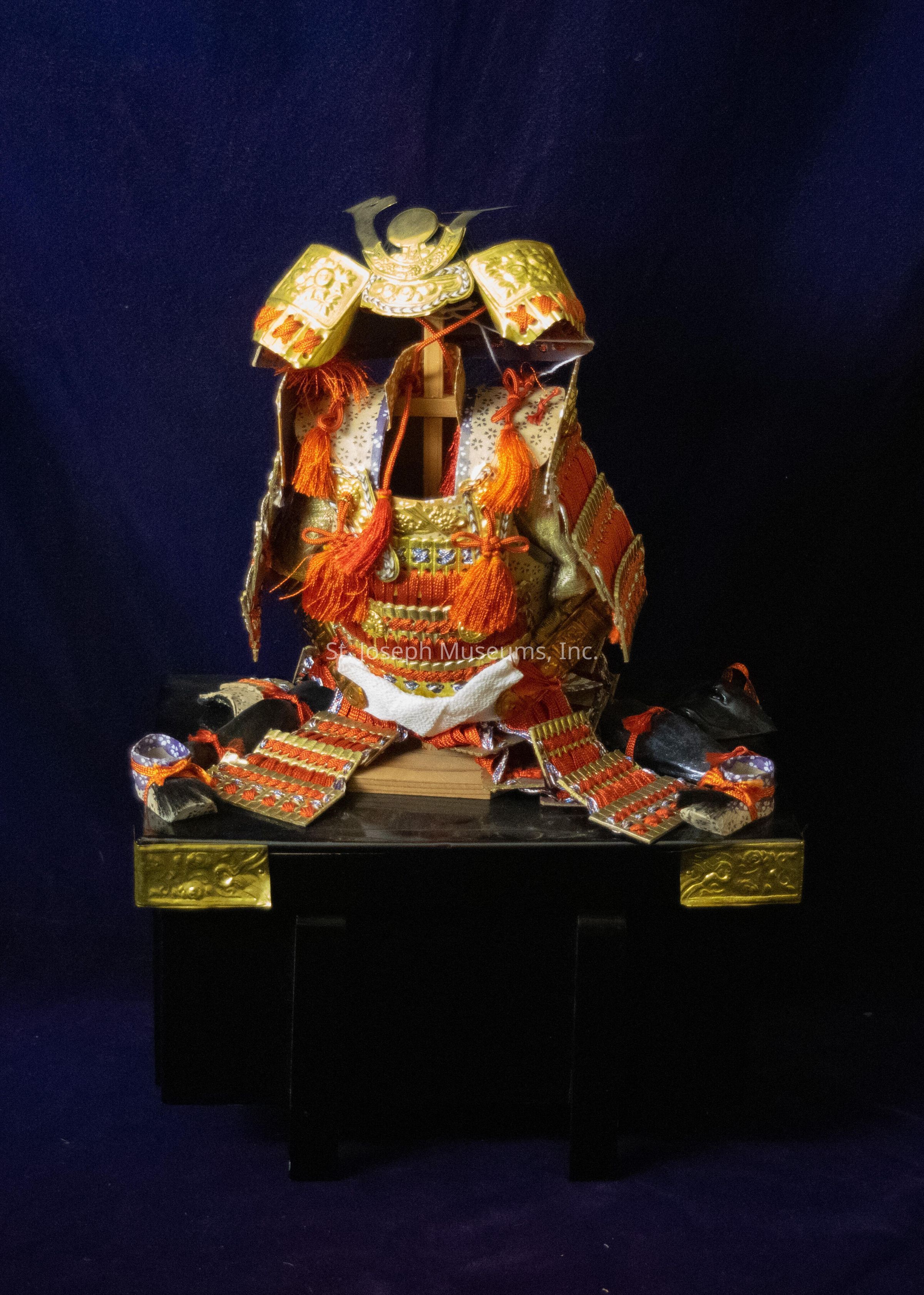
In 1185 CE, political power shifted to the Minamoto clan. During this time, Japan entered its feudal period, when centralized power almost disappeared altogether and power was held in the hands of various clan leaders, called shoguns. It is during this time that the samurai became a powerful social class. Samurai were a warrior class which gained vast amounts of political power under Minamoto leadership, as Japan was a militarily run state. During the centuries of feudal leadership in Japan, ninjas rose to prominence. These specialized warriors were hired as spies (occasionally as assassins) by feudal lords to gather intelligence on enemies.
It was during the Edo period (1603-1868) that Japan saw some of its most stable and peaceful years. During this time, haiku poetry became wildly popular, as well as the ukiyo-e print artstyle. These prints became the forerunners to today’s manga art.
Europeans first made contact with the island in 1543, when the Portuguese arrived in Japan. In 1633 CE, the ruler of Japan banned foreign travel and almost completely isolated the country from the rest of the outside world. Very select foreign trade was allowed, but all foreign influences on the island, like books, art, and the new Christian religion, were banned. This isolationist policy will continue for the next 200 years, ending in 1854 when Japan signed a trade treaty with the United States.
In 1868, Emperor Meiji took over the country. During this period, called the Meiji restoration, imperial power was returned to a centralized government ruler and the boundaries of Japan began to expand, with Japan gaining territory through military actions. Tokyo became the capital city of Japan. During this time, emphasis on education was prominent. Compulsory education was established, and several scholars were sent to western schools to study science and languages. Transportation networks were improved and the government became directly involved with supporting businesses and industries. With this new prosperity and imperialistic tendencies, Japan began to be known as a world power.
Despite its presence on the world stage, Japan still suffered from biases held by western allies. Despite being allies during World War I, western countries like the United States and Britain still discriminated heavily against the Japanese, with the United States even implementing the Exclusion Act in 1924 that banned immigration from Japan. During the 1930s, Japan was almost completely controlled by the military. Tensions between Japan and other foreign countries, particularly China, were made worse by military aggressions. The bombing of Pearl Harbor in 1941 saw the beginning of the Pacific War, where Japan fought against the Allied powers in the Pacific theater of World War II. Despite early victories, Japan eventually signed an unconditional surrender after the nuclear bombings of Hiroshima and Nagasaki in 1945. Japan was occupied by Allied Powers led by the United States. Occupation ended in 1952, and in the years since Japan has seen an increase in economic prosperity and technological supremacy.