Chipped Stone Tools
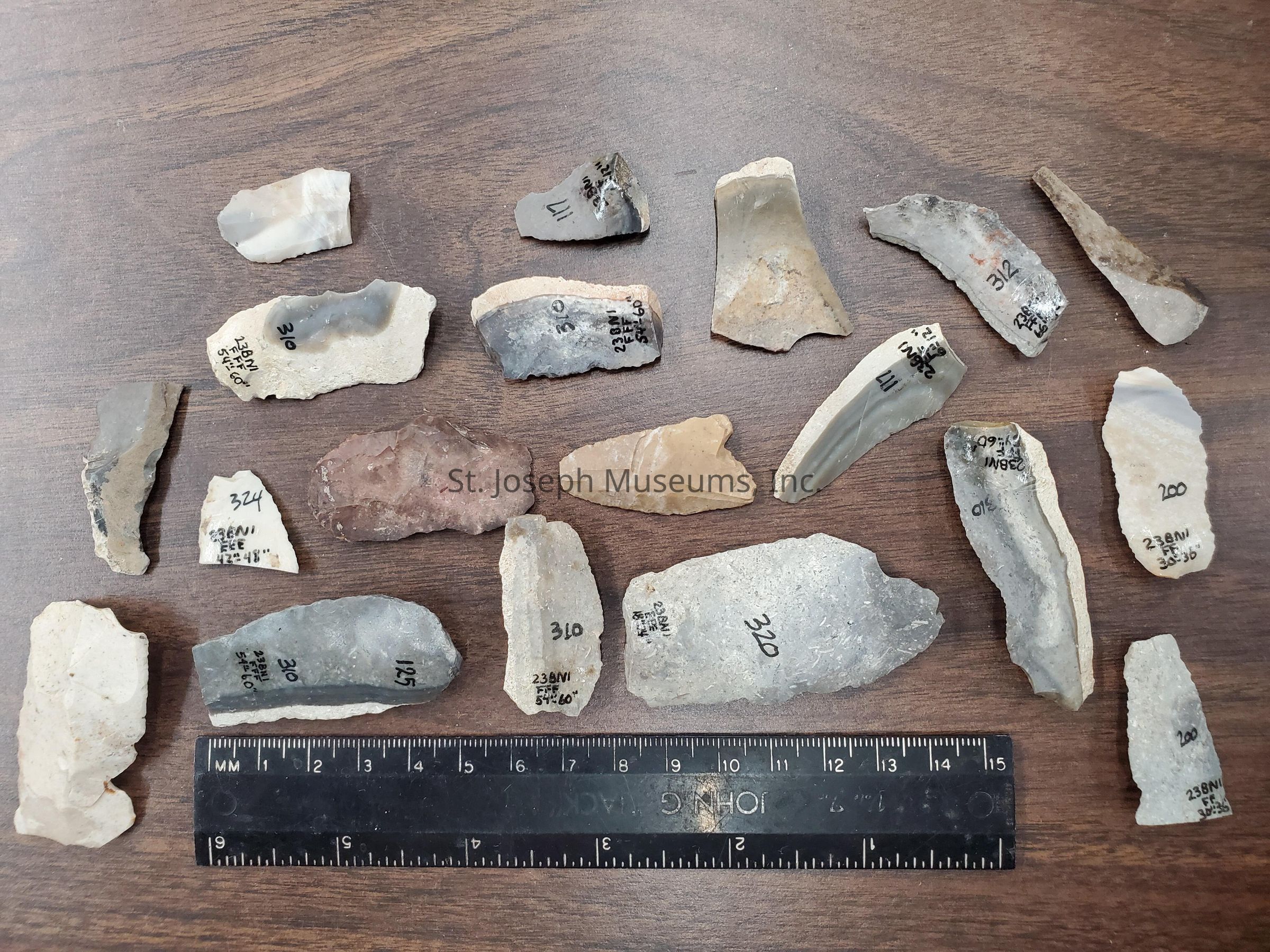
Bag 1
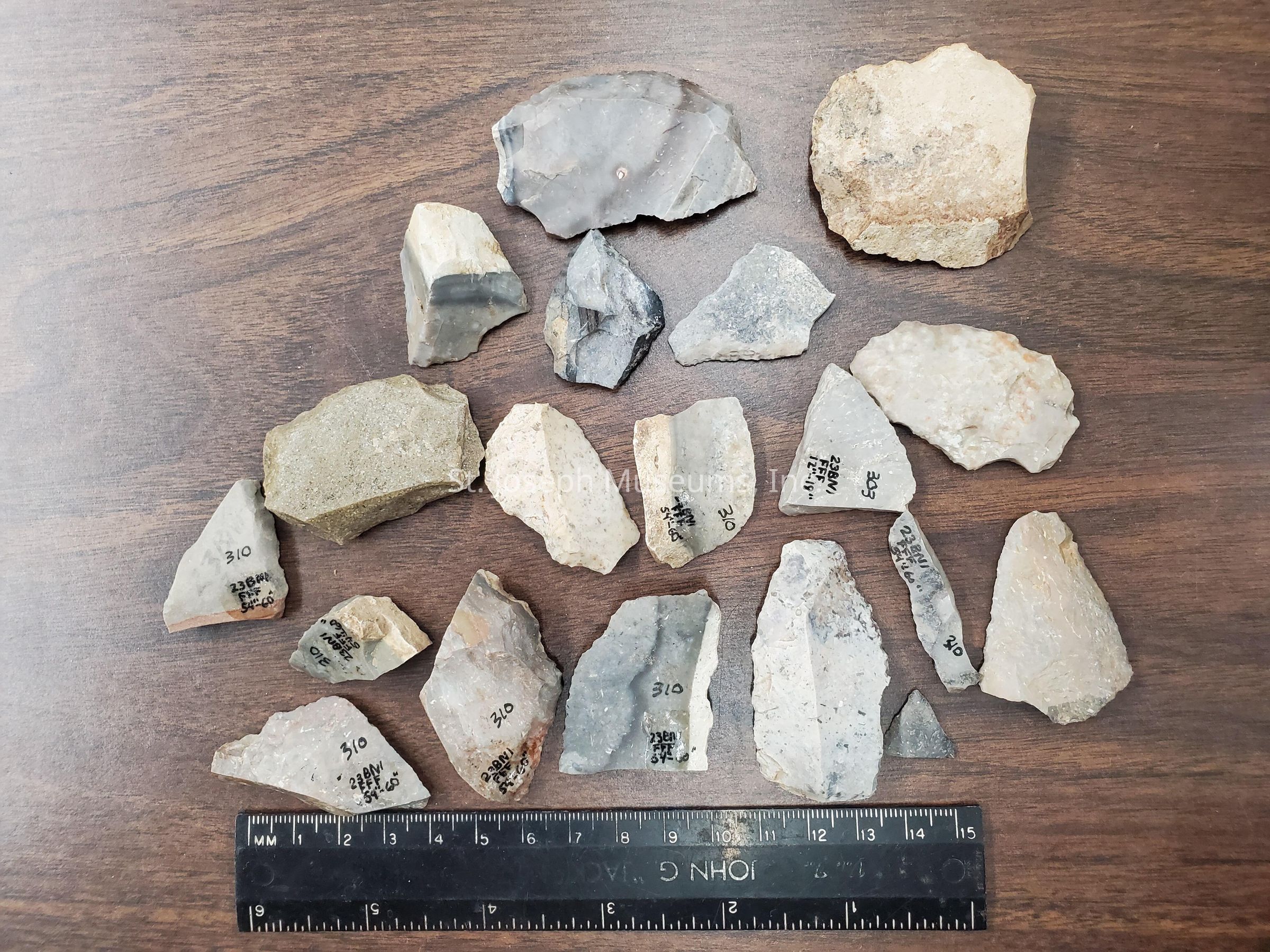
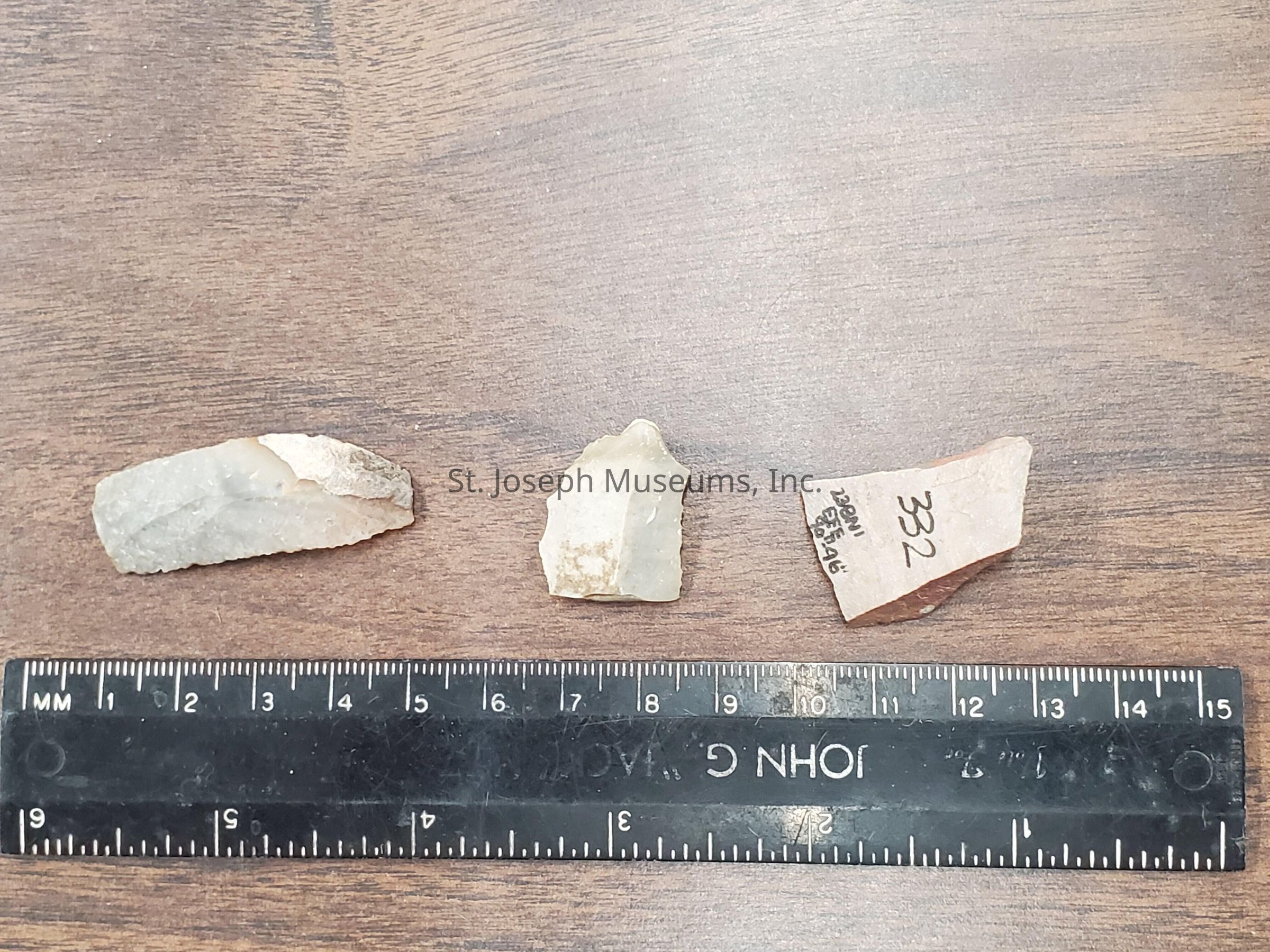
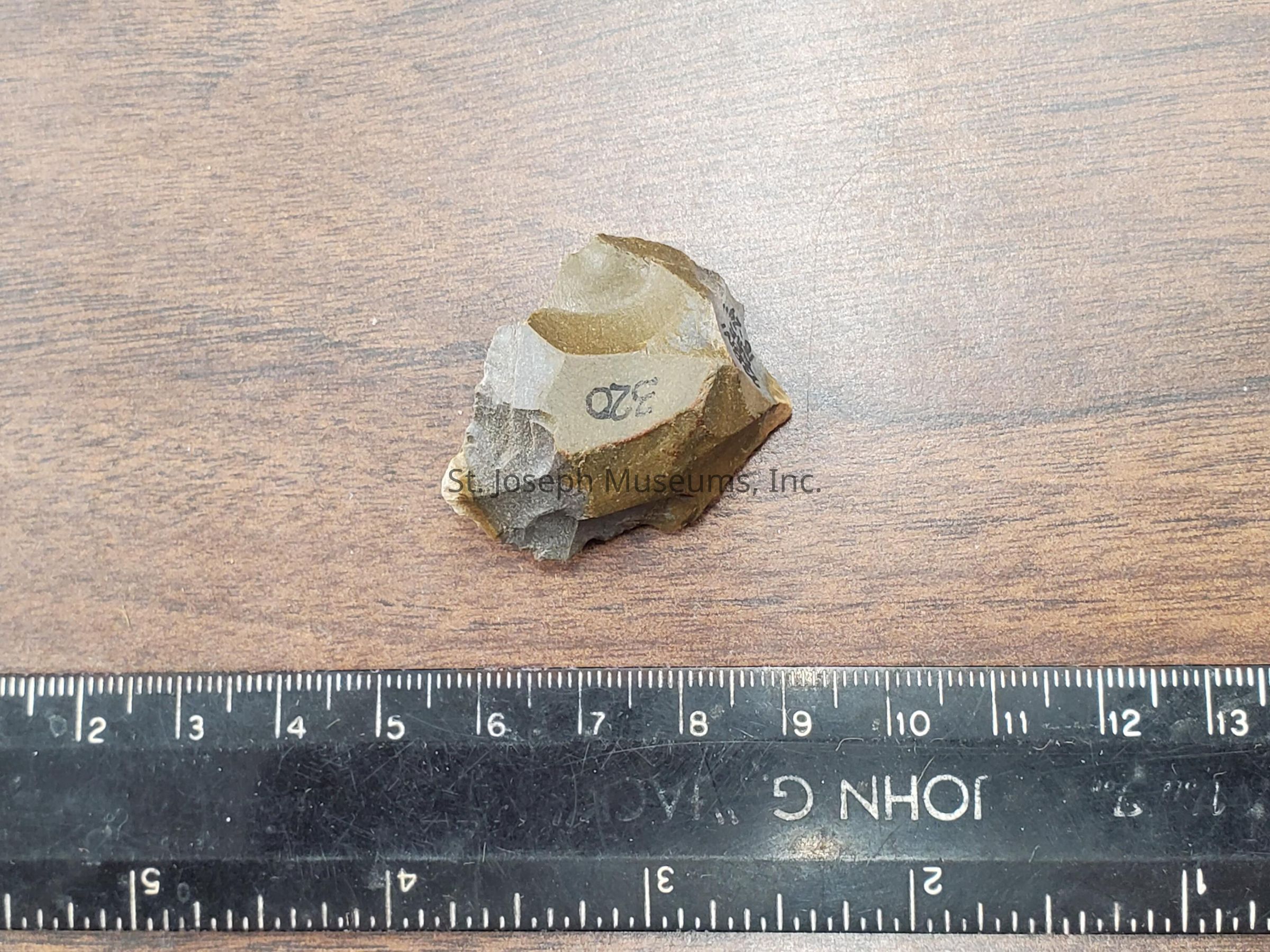
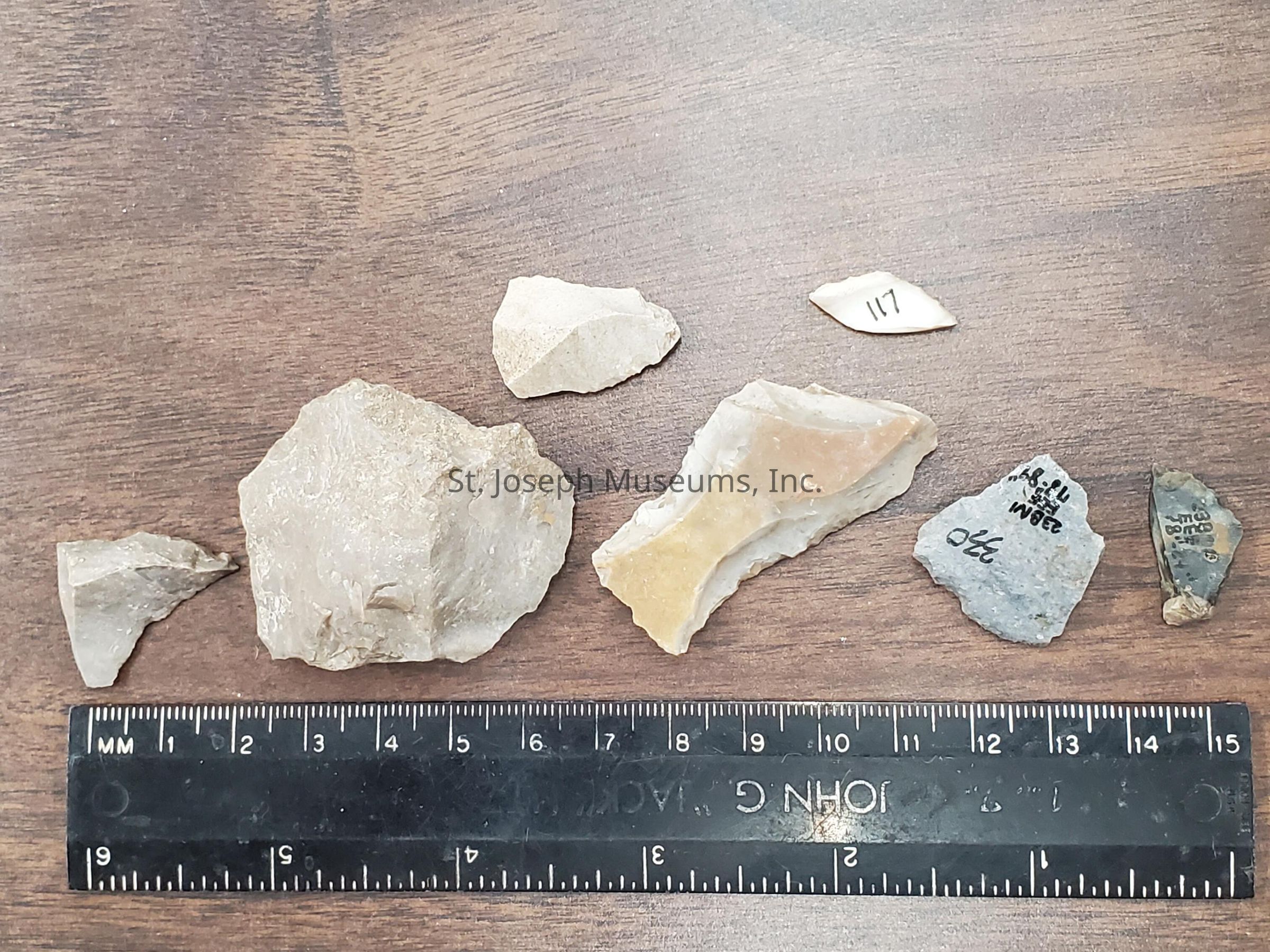
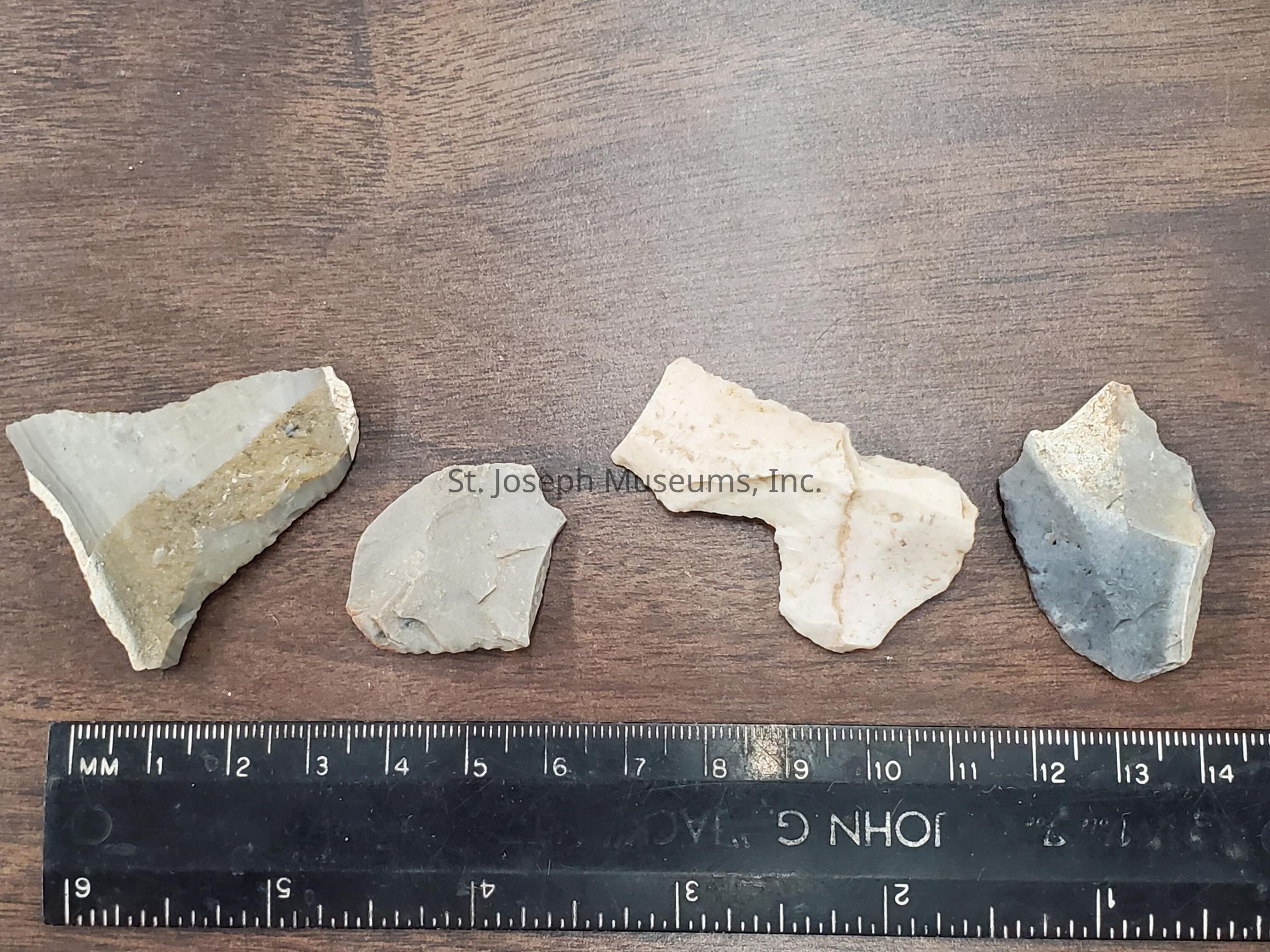
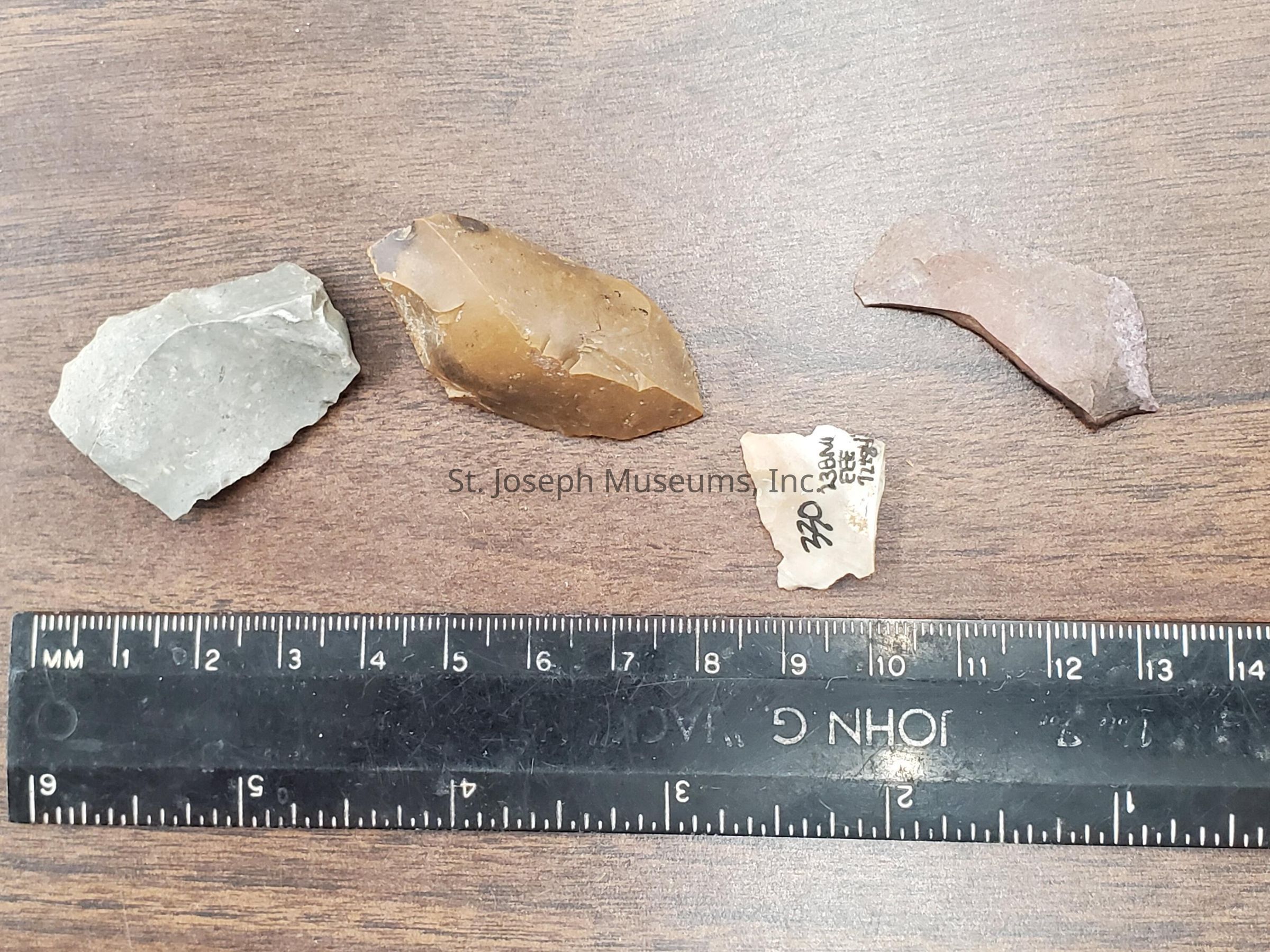
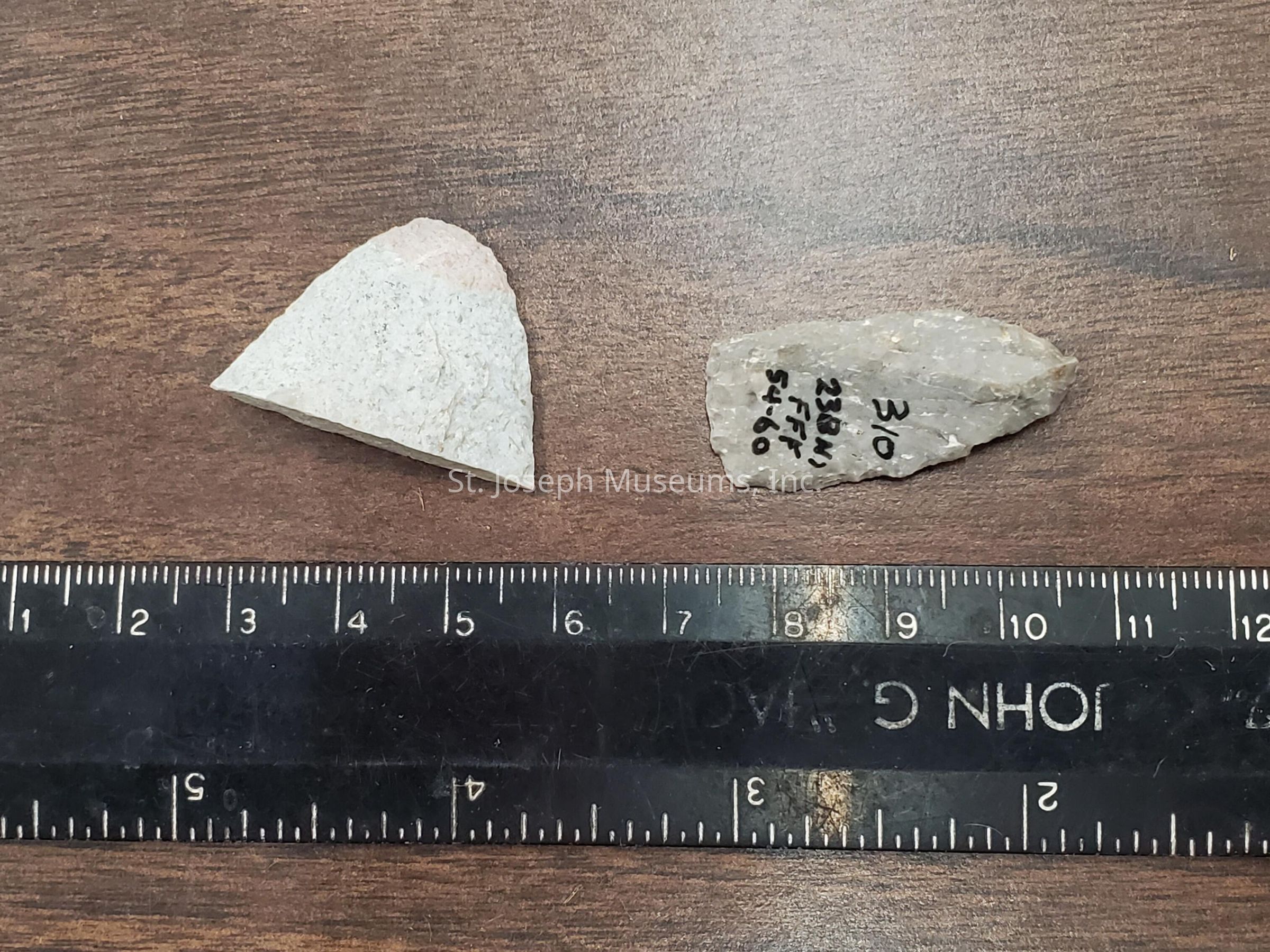
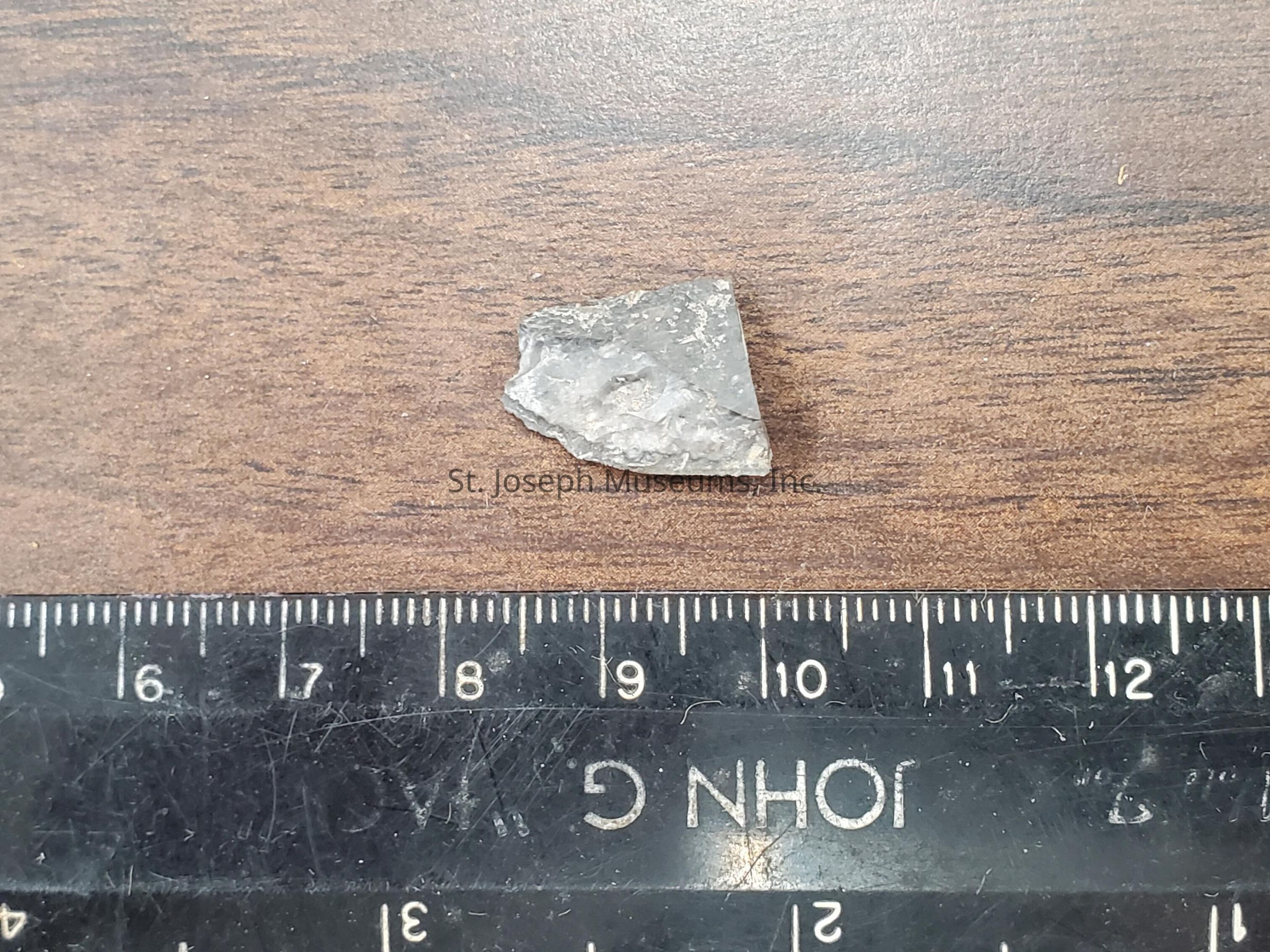
Name/Title
Chipped Stone ToolsEntry/Object ID
2001.15.2492Description
23BN1 Chipped stone tools complete/broken Flake blade knives Flake blade scraper/knives Gravers Scraper/knives Bifacial knives Points Side and end scrapers Biface chopper Recorded - kept distinct from first batch of typed c.s. tools Includes nine separate bags. Bag 1: Flake blade scrapers/knives recorded 19 artifacts 310: FFF 54"-60" (x7) 117: FF 6"-12" (x2) 312: FFF 66"-72" (x4) 320: EEE 18"-24" (x2) 200: FF 30"-36" (x3) 324: EEE 42"-48" Bag 2: Side scrapers -some complete -some broken -some on flakes recorded 19 artifacts 312: FFF 66"-72" (x4) 117: FF 6"-12" 310: FFF 54"-60" (x10) 303: FFF 12"-18" (x3) 324: EEE 42"-48" Bag 3: Flake blade knives recorded Three artifacts 312: FFF 66"-72" 332: EEE 90"-96" 324: EEE 42"-48" Bag 4: Misc chipped stone tools: biface chopper Recorded One artifact: 320: EEE 18"-24" Bag 5: Endscrapers -complete -broken Recorded Seven artifacts: 117: FF 6"-12" (x5) 330: EEE 78"-84" 320: EEE 18"-24" Bag 6: Scraper/knife not flakeblade Recorded Four artifacts: 117: FF 6"-12" (x3) 310: FFF 54"-60" Bag 7: Gravers -some on flakes -some on fragments Recorded Four artifacts 330: EEE 72"-84" 312: FFF 66"-72 310: FFF 54"-60" 324: EEE 42"-48" Bag 8: Bifacial knives -some fragments Recorded Two artifacts: 310: FFF 54"-60" 312: FFF 66"-72" Bag 9: Points Some fragments Recorded One artifact 312: No informationCollection
23BN1Ethnography
Culture/Tribe
Kaw Nation
Native American