Notes
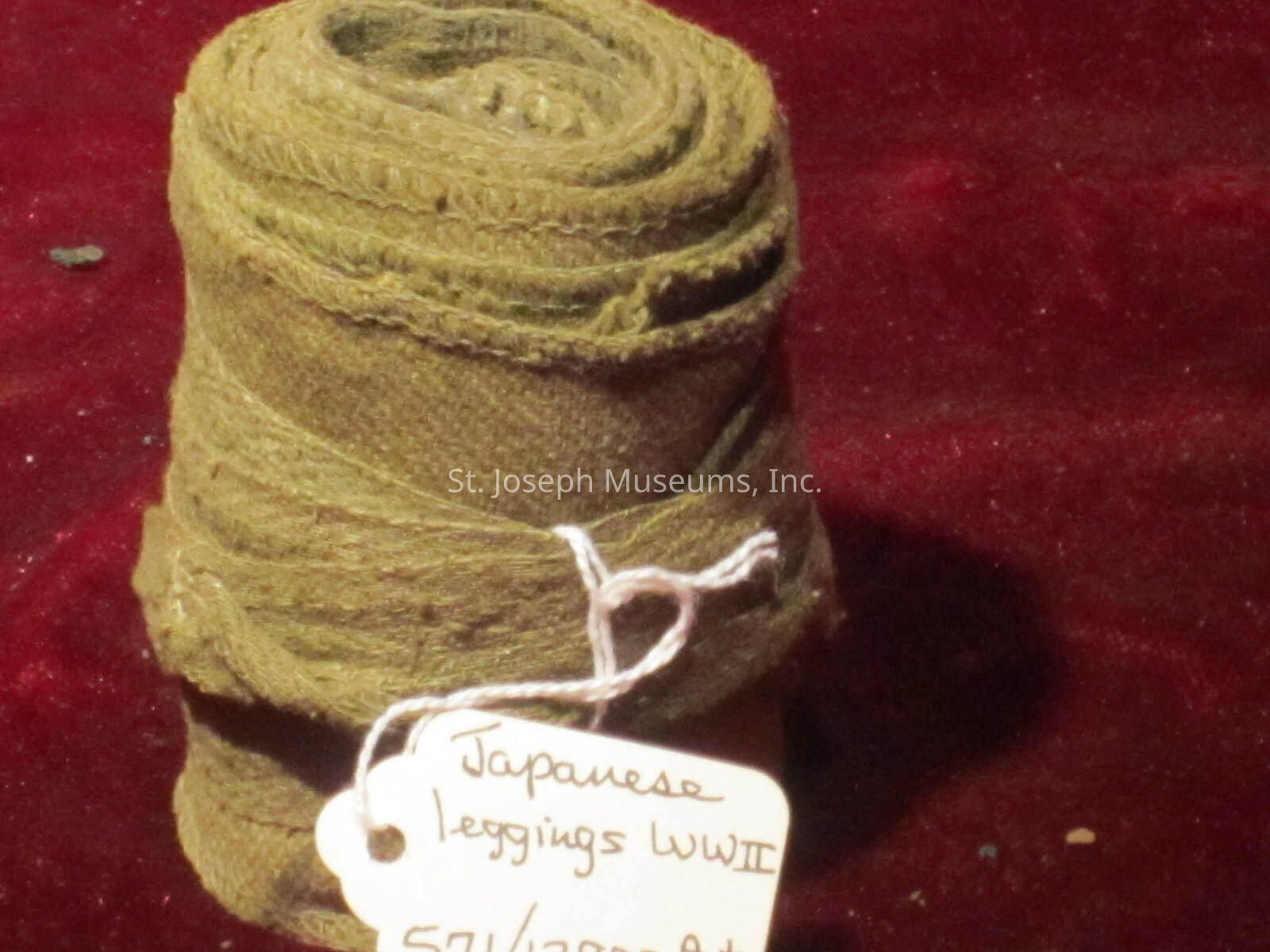
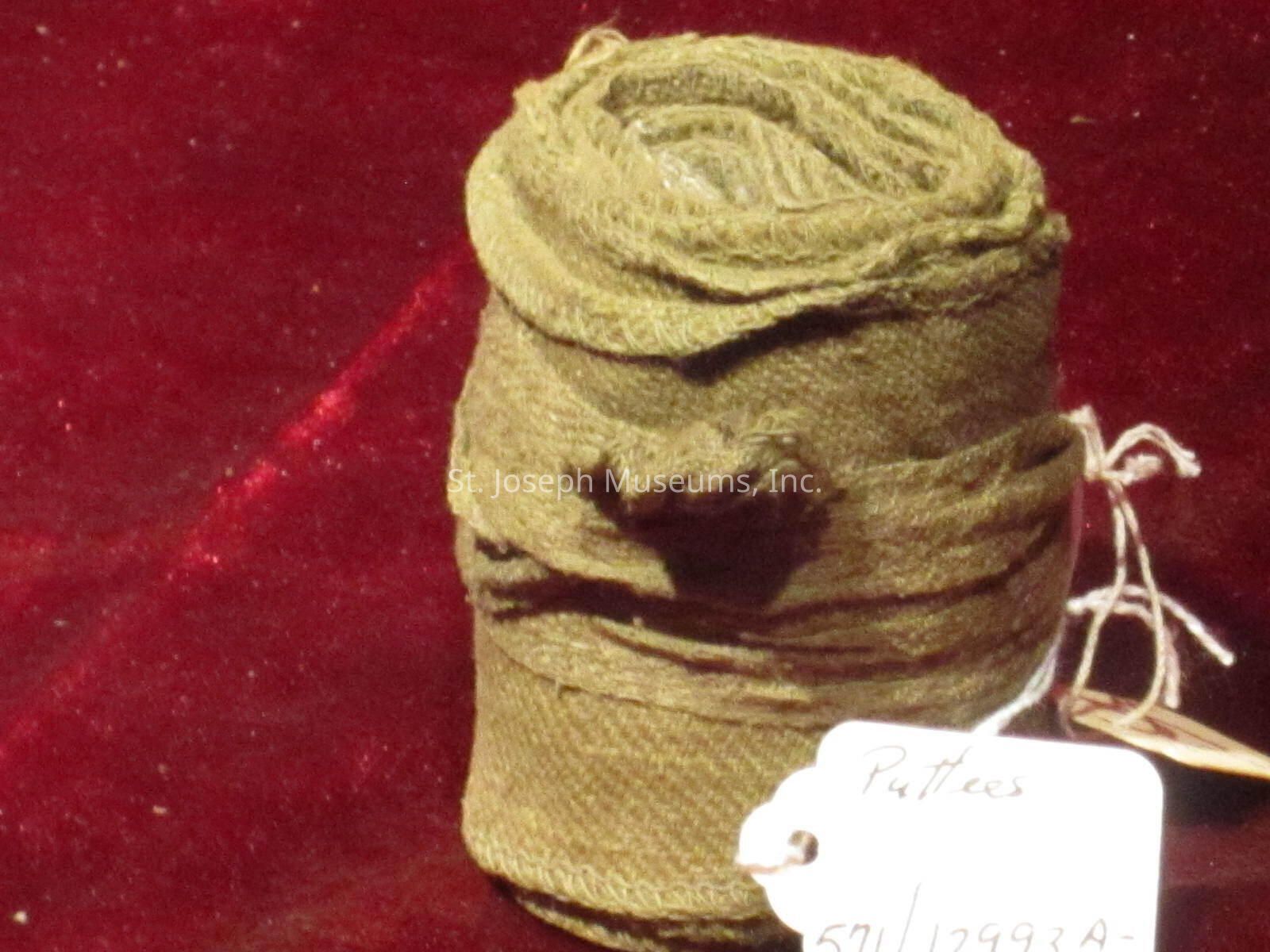
Puttees saw limited use by Western nations during World War II, who had largely transitioned to the use of canvas gaiters. They were widely used by Eastern armies throughout the war, however, including the Japanese, Chinese, and Soviet armies. Worn on the lower legs, they were intended to provide ankle support, keep pants tight to the leg to prevent snagging, and protect against rough terrain while on the march. They were also useful for keeping dirt, mud, bugs, and other debris from getting into soldiers' boots. They were essentially designed to fulfill the function of high leather boots at a much lower price point, making them a practical alternative while outfitting the large armies of World War II.