Label Type
Cultural/Historical ContextLabel
First inhabited by the Greeks in the 8th century BCE, Italy has been the scene of some of history’s most famous and pivotal moments. Tracing its origins back to the legend of Romulus and Remus, Rome, Italy’s capital and most famous city, was first settled in 753 BCE. In 509 BCE, the Roman Republic was first established. While Athenian democracy is noted as the first democratic government, the Roman Republic wielded vast amounts of power over large numbers of people. Under the Republic, Rome would conquer most of the Mediterranean world. The Republic lasted for almost 500 years, until Julius Caesar named himself Dictator for Life in 45 BCE. In 27 BCE, Augustus Caesar (Julius’s great nephew and adopted heir) was proclaimed the first Roman Emperor, thus beginning the age of the Roman Empire.
From its beginnings, Rome was one of the most accomplished and advanced civilizations in the world. Amongst its many achievements, Rome became particularly known for their building and engineering prowess. The history of Rome is dotted with massive building projects, including the Coliseum, many of which are still standing almost 2000 years later.
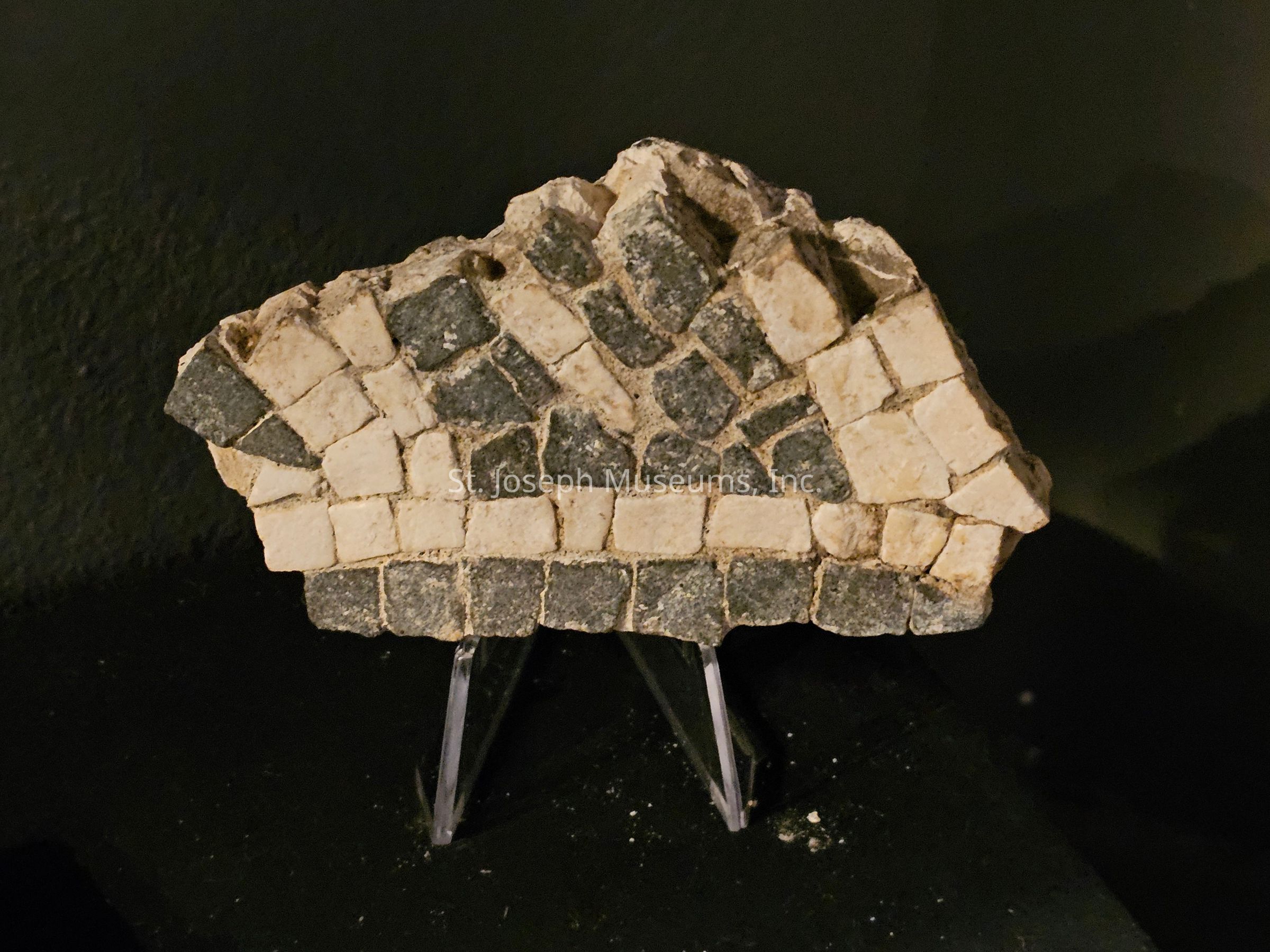
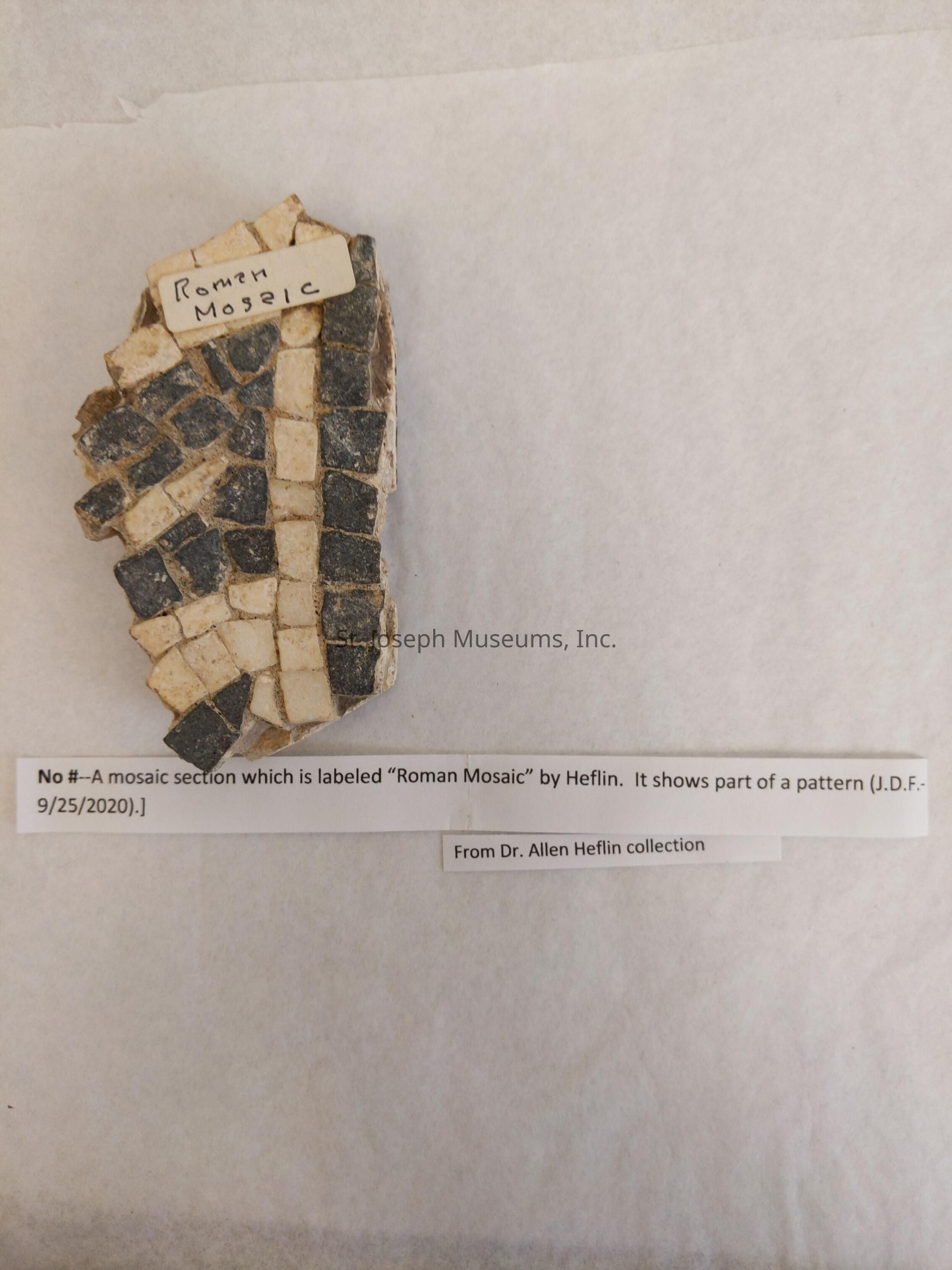
Many of the roads and even bridges that were first built by the Romans are still in use today. Intricate artwork would decorate even the most simple of buildings. Colorful frescoes hung on walls, elaborate mosaics would comprise every interior floor, brightly decorated statues would adorn every street corner and building facade. Latin, the language of the Romans, laid the foundation for several modern languages, including English. The United States system of government, a republican democracy, is modeled after the old government of the Roman Republic.
In 476 CE, the Roman Empire fell due to internal struggles and attacks from the Germanic tribes that were slowly moving south out of northern Europe. In the 1300s, Italy again became a driving force in world culture when the Renaissance began in Florence. A true rebirth of all the arts and innovation, the Renaissance saw the rise of artists and inventors that are still common knowledge today, like Michelangelo and Leonardo da Vinci. Italy continues to be a haven for scholars, artists, innovators, and scientists for hundreds of years.