Label Type
Cultural/Historical ContextLabel
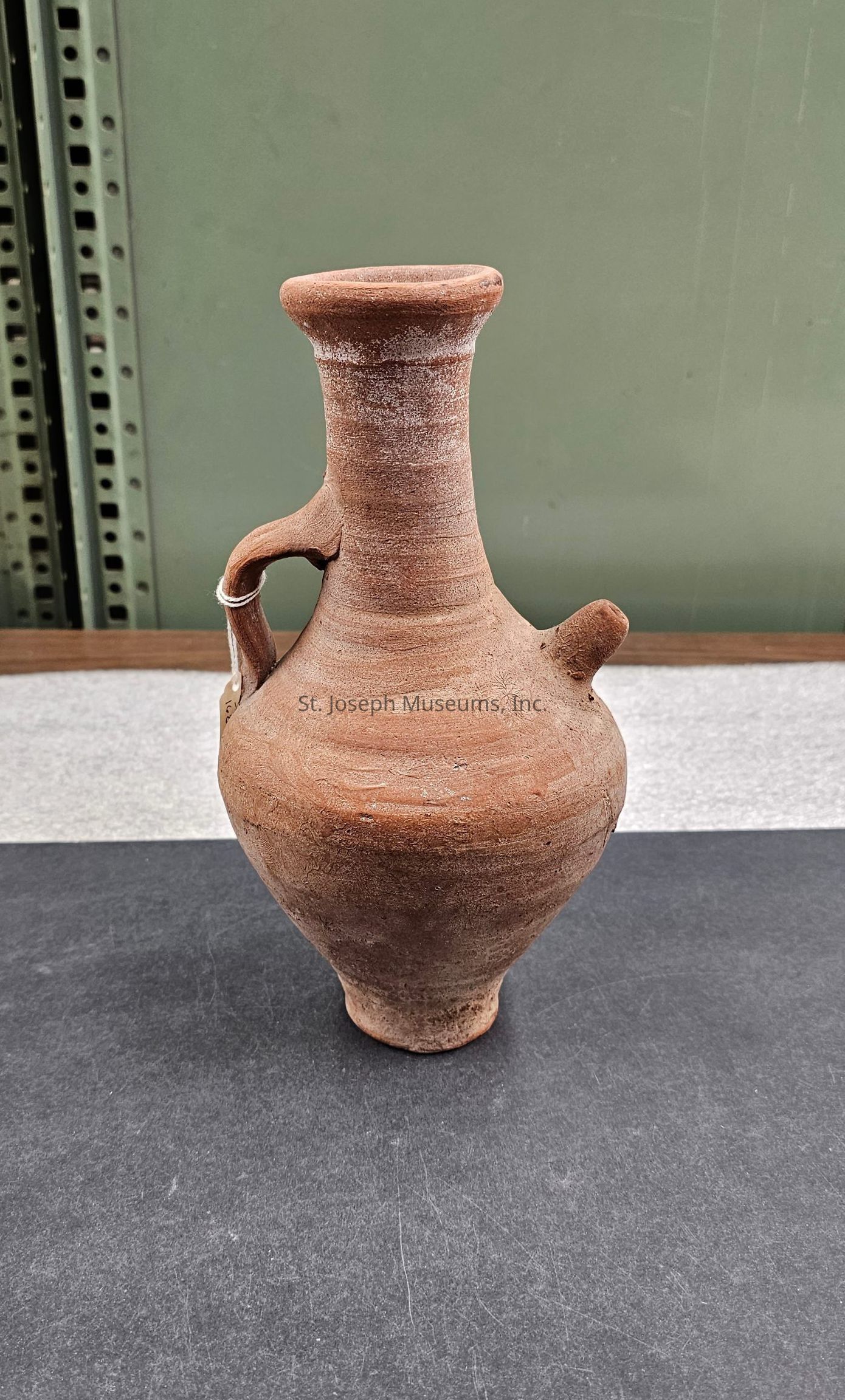
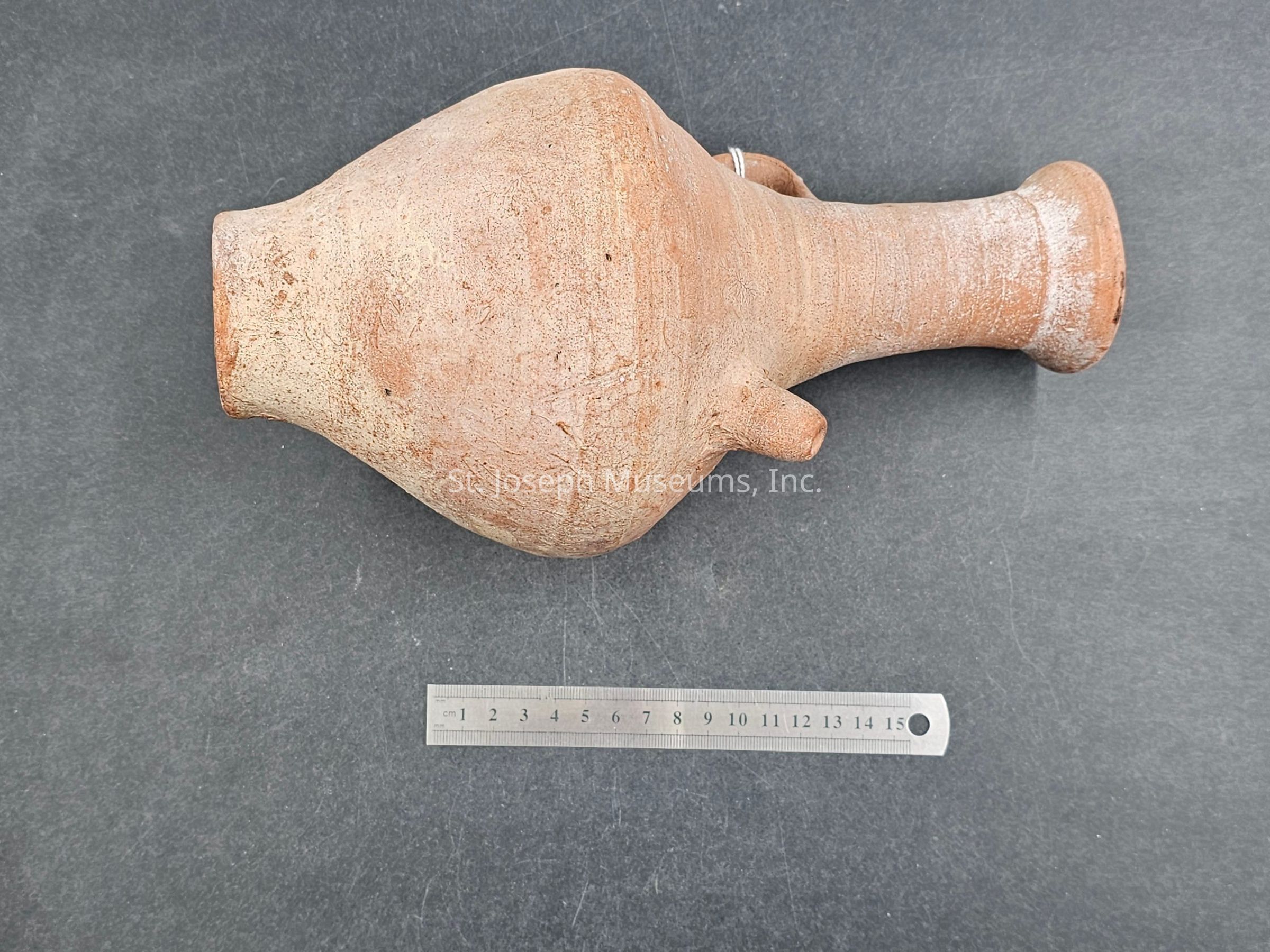
As part of the Fertile Crescent, Syria is home to some of the oldest cultures on the planet. As early as 10,000 BCE, the modern country of Syria had communities of people living together, developing the complex civilizations that marked the Iron Age. Even before modern humans lived together, Neanderthal skeletons have been found in the area. While Syria has its own individual origins, this area was often controlled by more powerful empires due to its ideal location on the continent. At any given time in history, this region was controlled by the Egyptians, Hittites, Sumerians, Mitanni, Assyrians, Babylonians, Canaanites, Phoenicians, Arameans, Amorites, Persians, Greeks, and Romans. As such, the artifacts from the region are going to look similar to regions that are not necessarily geographically close by. Ancient Syria plays a key part in Biblical archaeology as well, as the largest city in Syria, Damascus, has a major role in the conversion of apostle Paul.
In 479 CE, the Roman Empire collapsed and Syria became part of the Byzantine Empire for the next 200 years until Muslim armies defeated the Byzantine Empire and took control of Syria. Islam became the dominant religion, with Damascus becoming the capital of the Islamic world until 750 CE, when it was replaced by Baghdad in Iraq. Unfortunately, that left the region in a very unstable place. In 1516, The Ottoman Empire conquered Syria and brought stability to the region. The Ottomans remained in power until 1918 and the end of World War I. Unfortunately, the more modern history of Syria is one of turmoil and unrest.