Label Type
Cultural/Historical ContextLabel
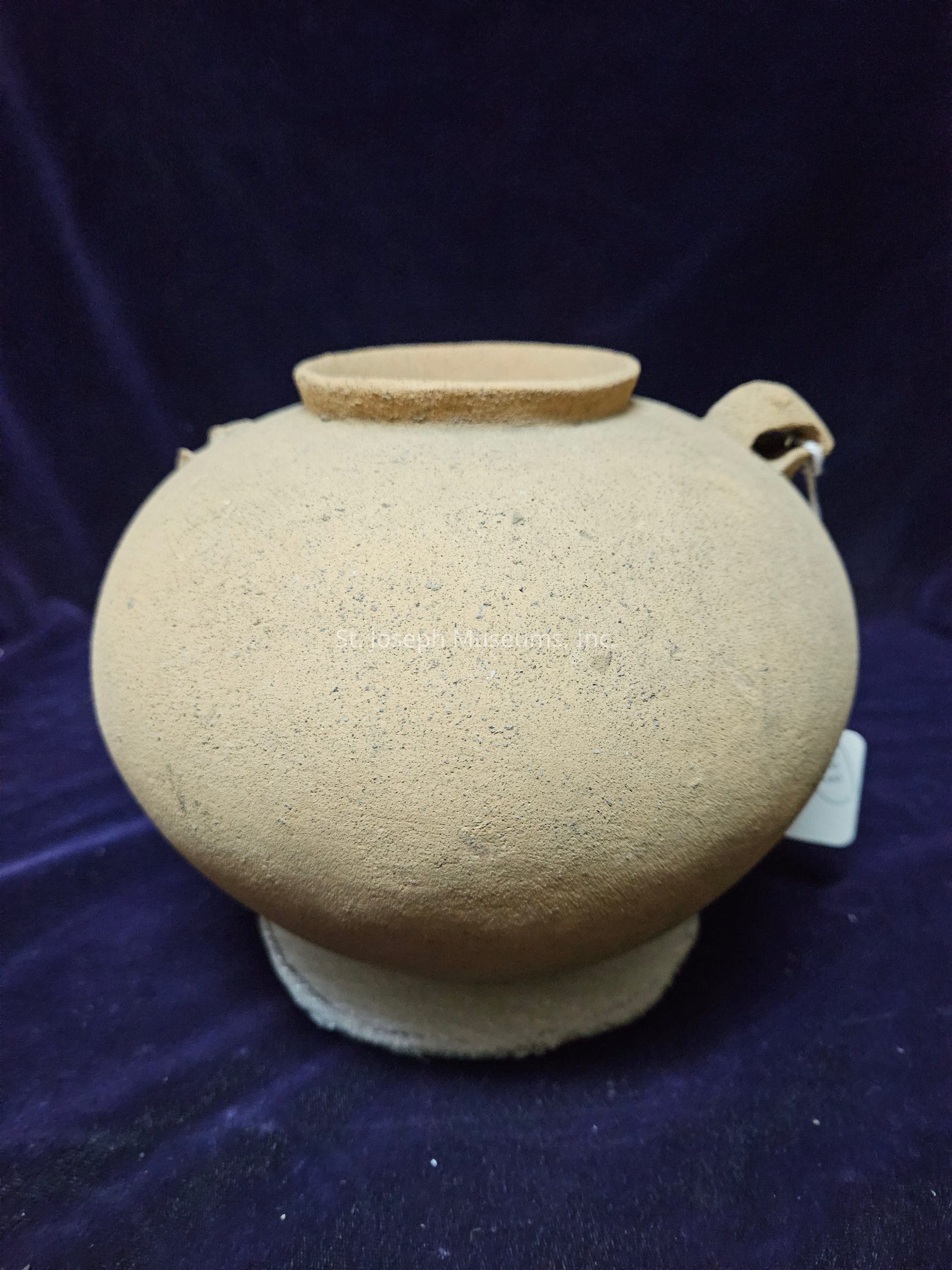
The modern country of Panama is home to several indigenous tribes.
Unlike other civilizations like the Aztec, the indigenous tribes of Panama did not build large temples or complex cities, and there have been only a few major archaeological discoveries.
The indigenous tribes in Panama excelled at crafts that fit their lifestyle, making textiles, baskets, and elaborate pottery. The first of many Spanish explorers to reach Panama was Rodrigo de Bastidas, who landed in 1501. One year later, Christopher Columbus landed in Panama. At the time of Columbus’ landing, it is estimated that between one and two million indigenous people lived in Panama. With the establishment of permanent Spanish settlements, Spain controlled Panama and remained in control until 1821. Panama then formed an alliance with Colombia, Ecuador, and Venezuela to form the Republic of Gran Colombia, which lasted until 1830. After the dissolution of the Republic of Gran Colombia, Panama remained part of Colombia. In 1903, the United States backed Panama in their endeavor for independence from Colombia, in exchange for control of land on either side of a new canal, which began construction the following year. The Panama Canal was a massive construction project that connected the Atlantic and Pacific Oceans and allowed ships to travel from one ocean to the other without traveling around the entire continent of South America. The United States remained in partial control of the Panama Canal until 1999.