Resorted Material
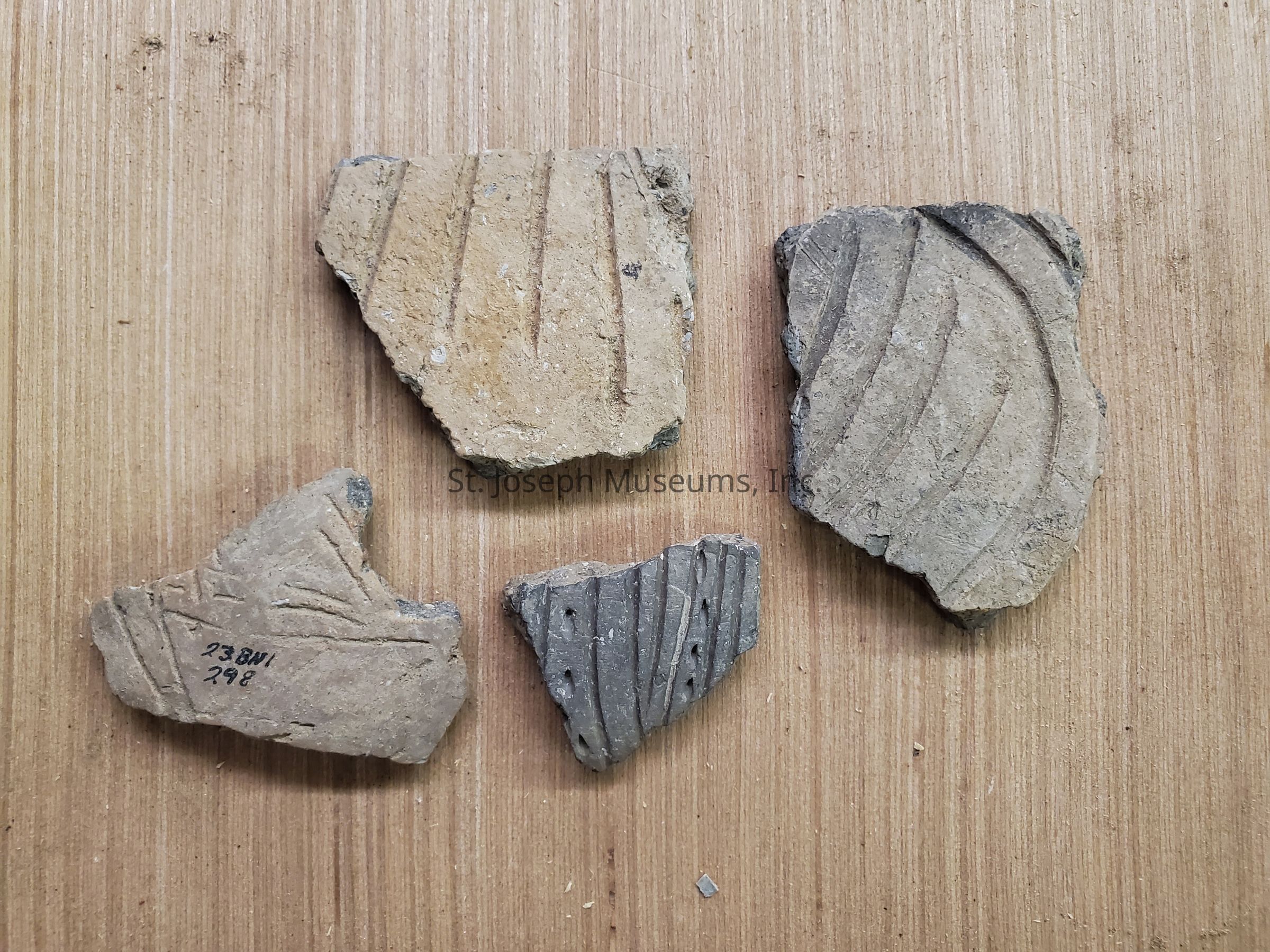
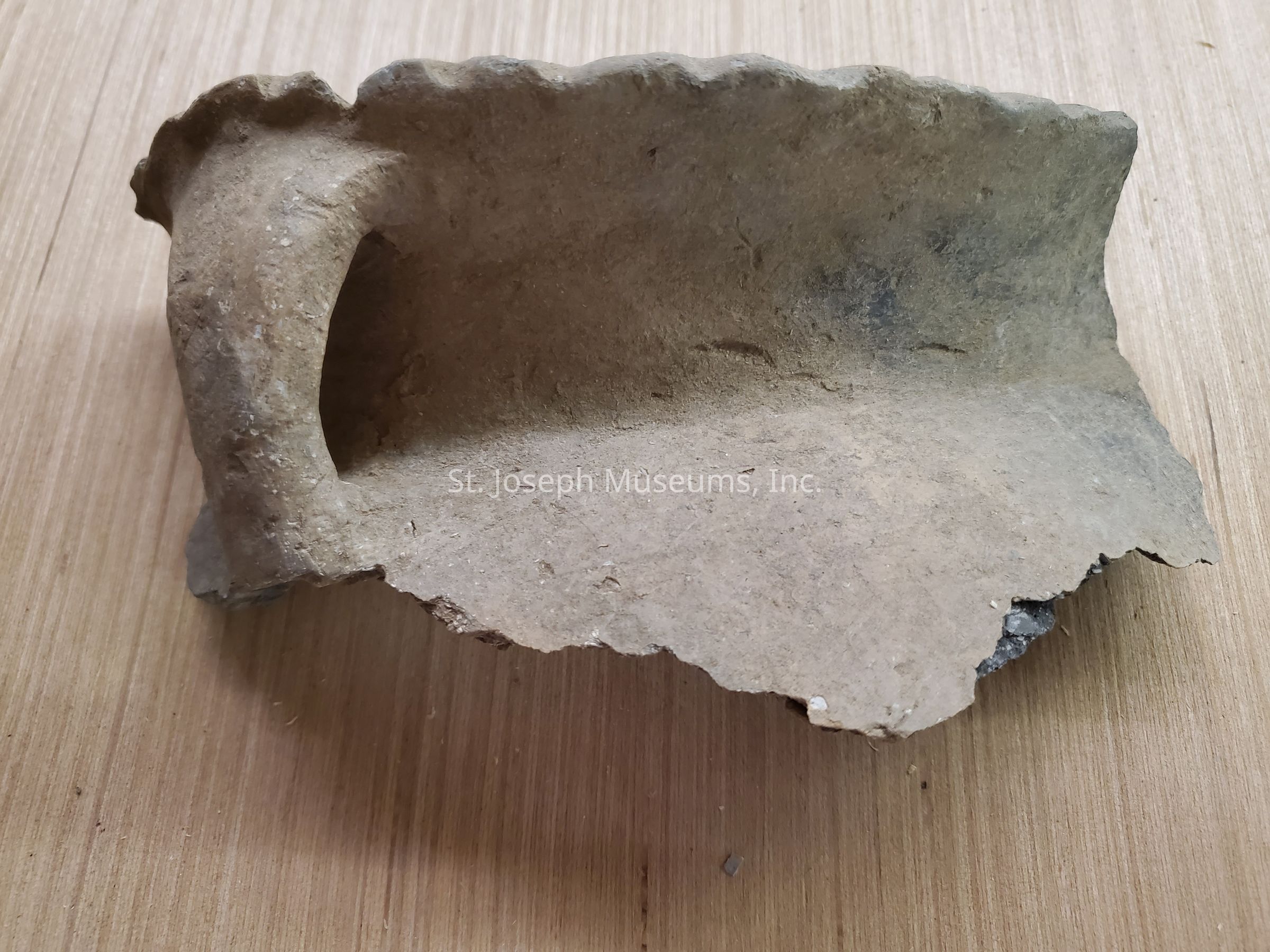
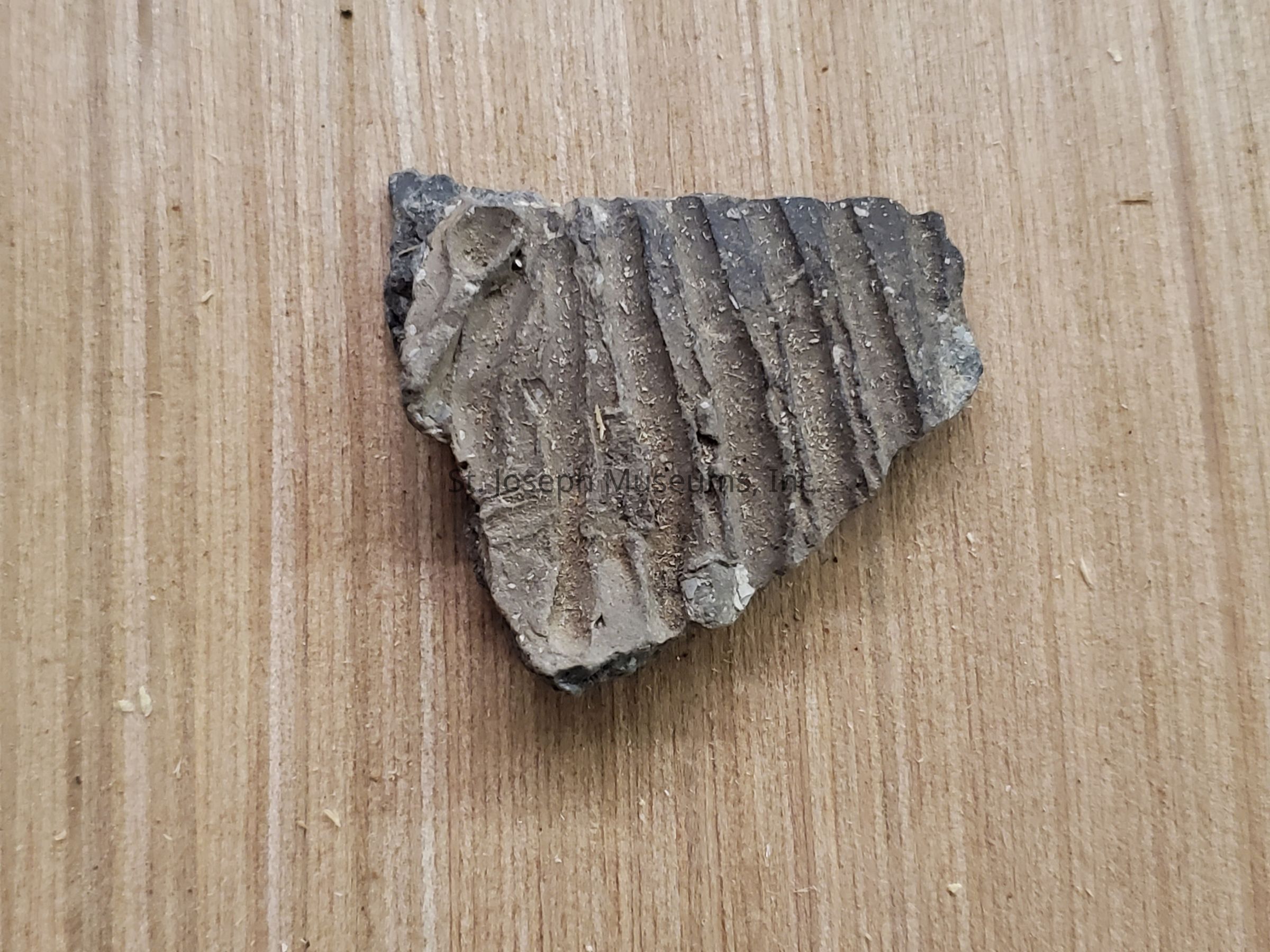
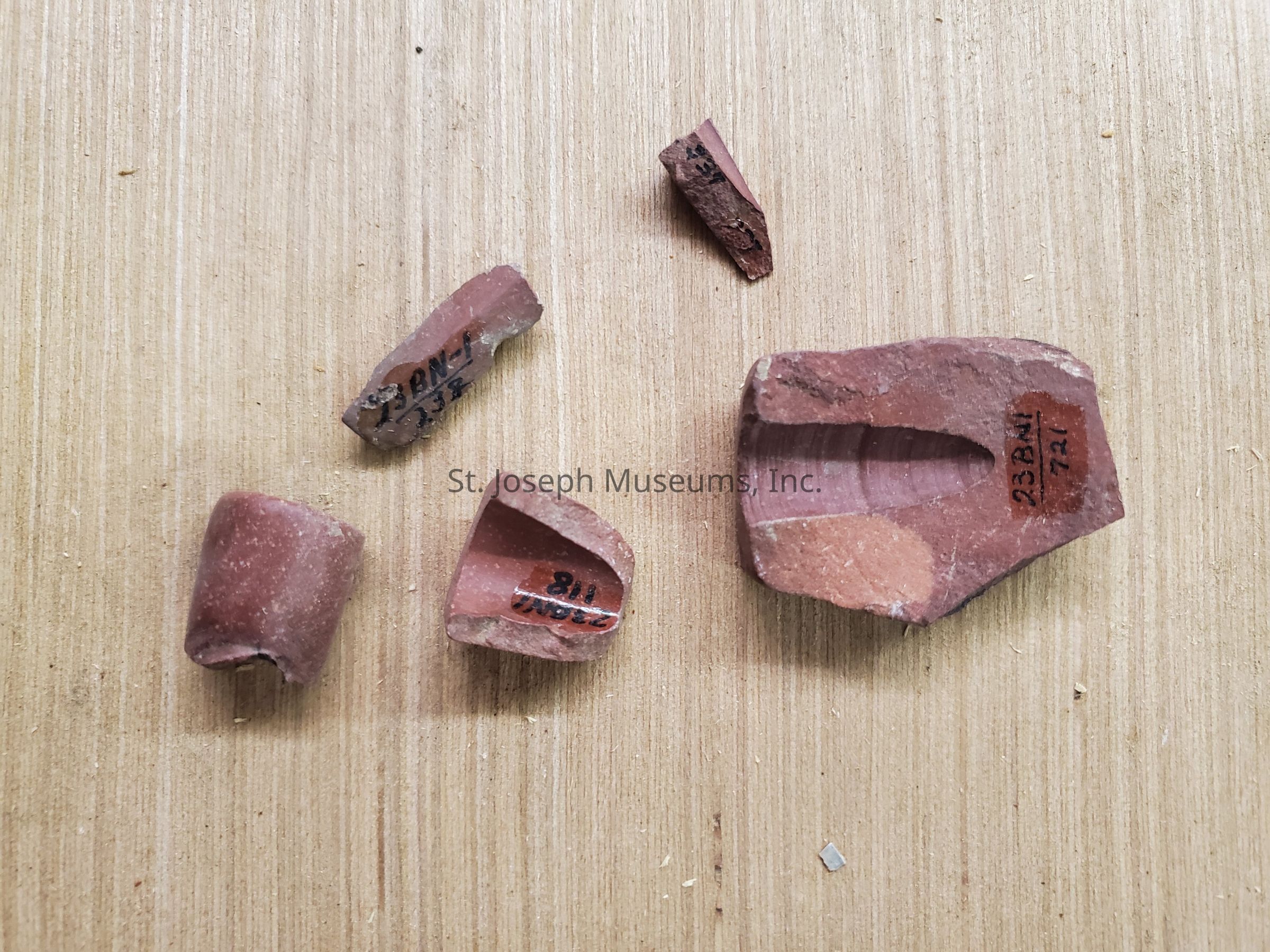
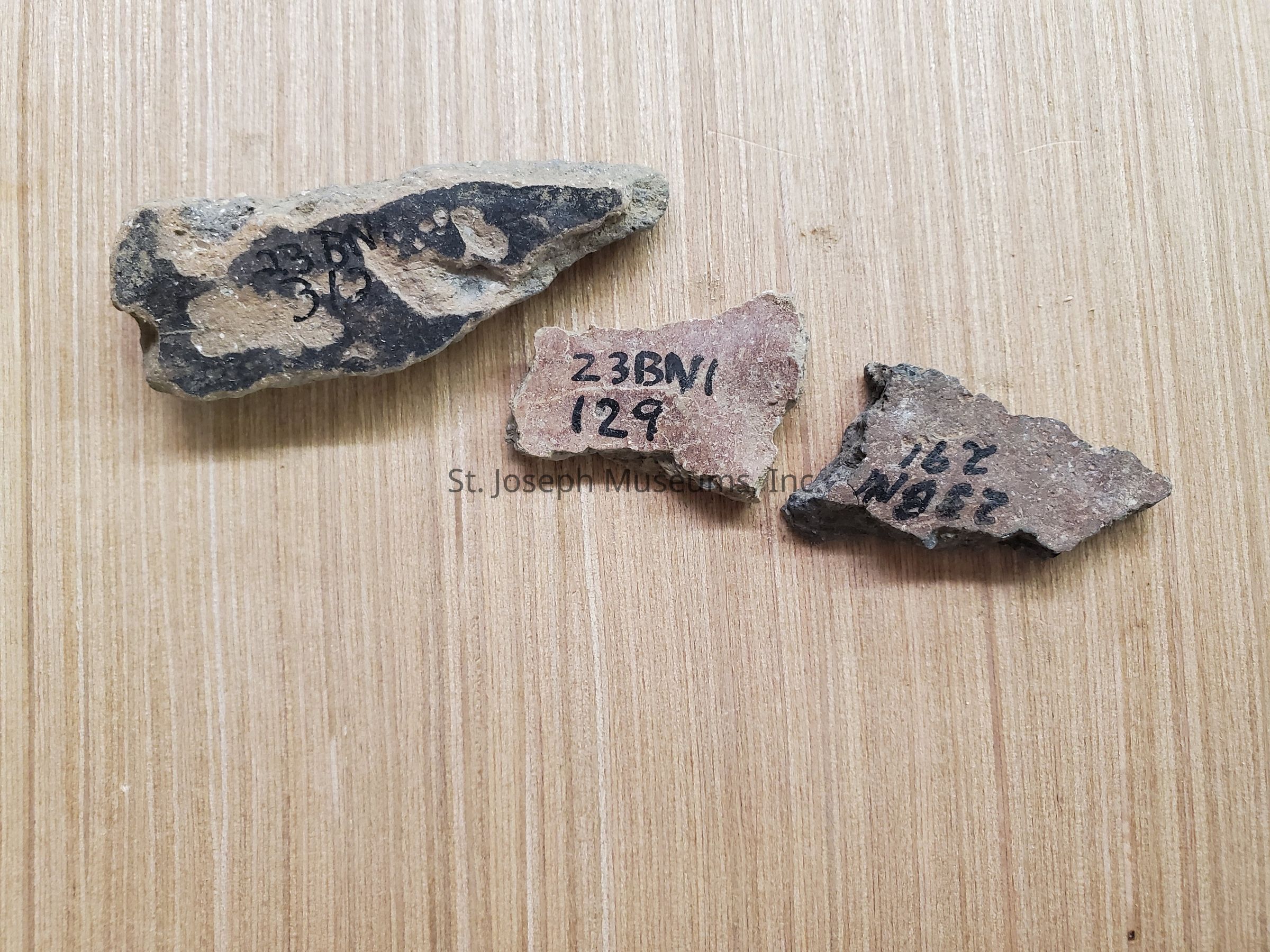
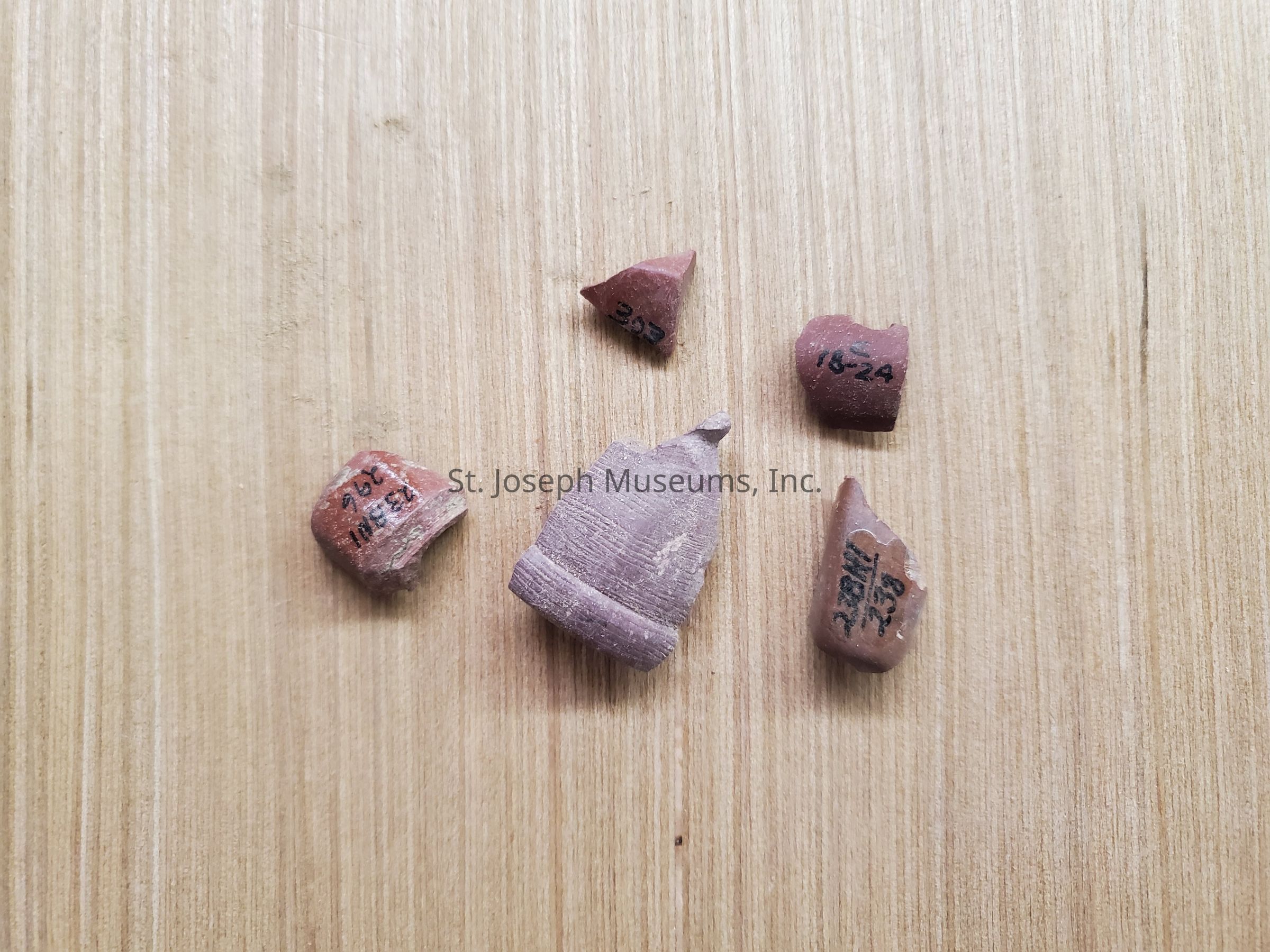
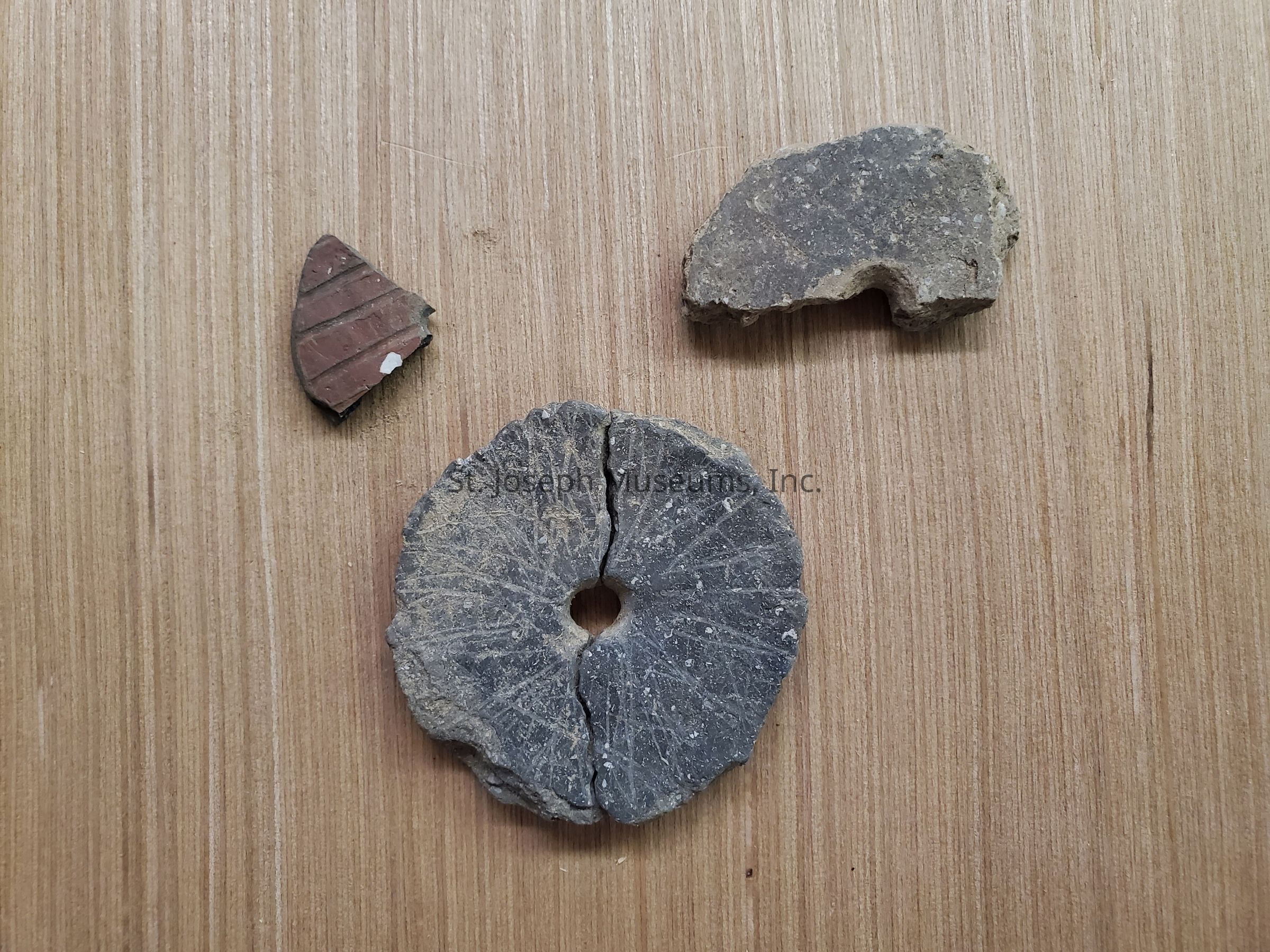
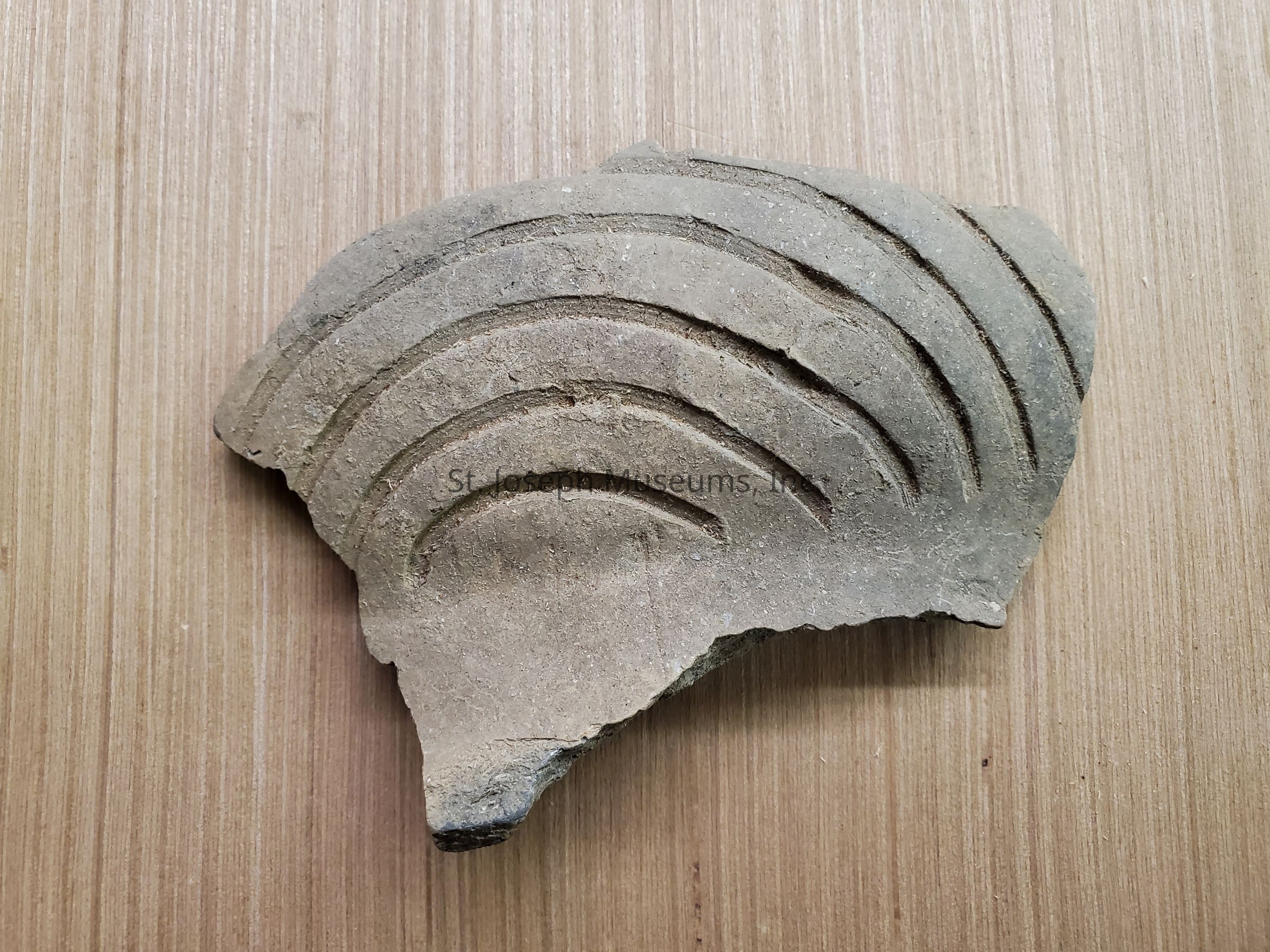
Additional examples of sherd decoration
Name/Title
Resorted MaterialEntry/Object ID
2001.15.3839Description
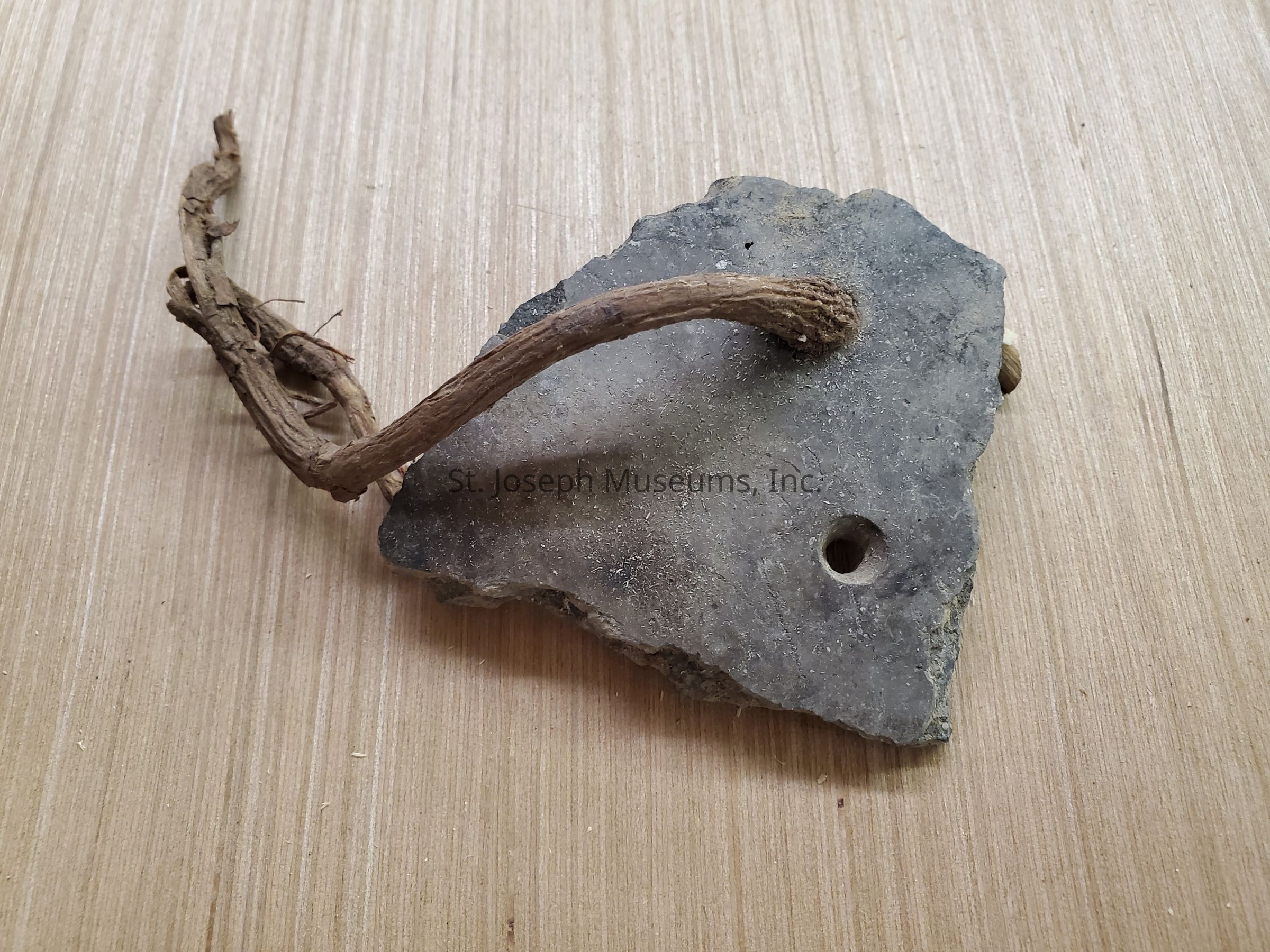
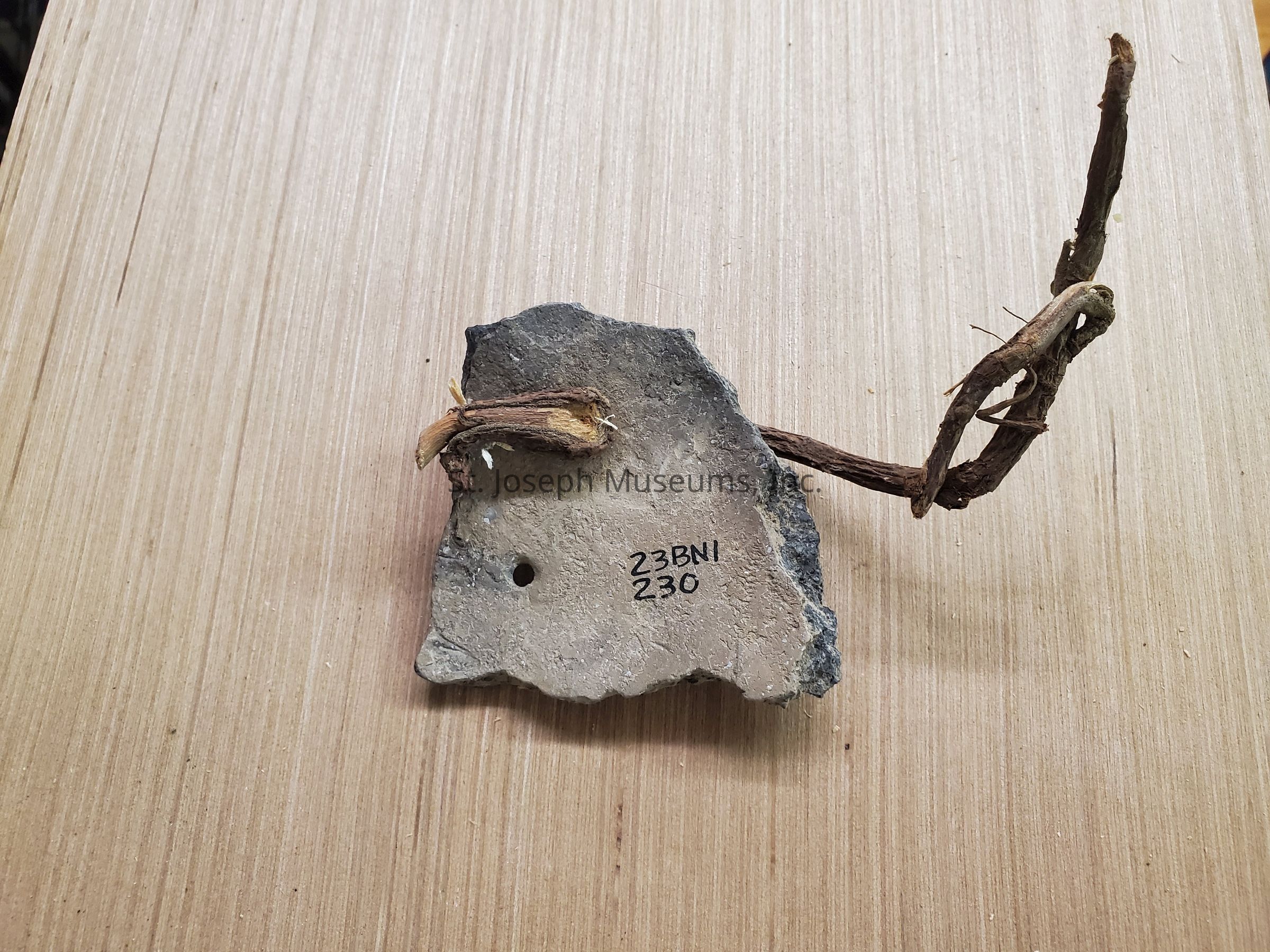
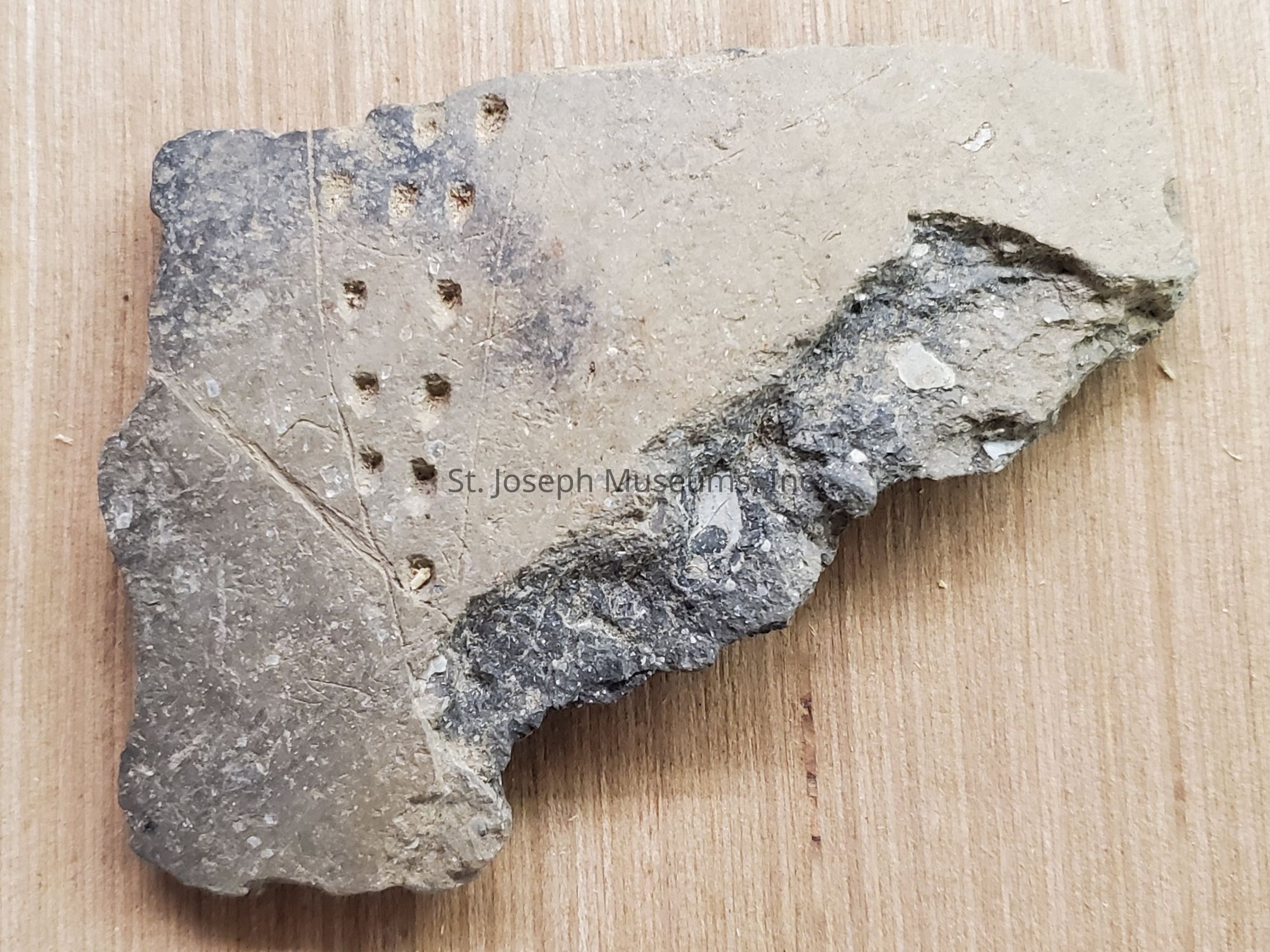
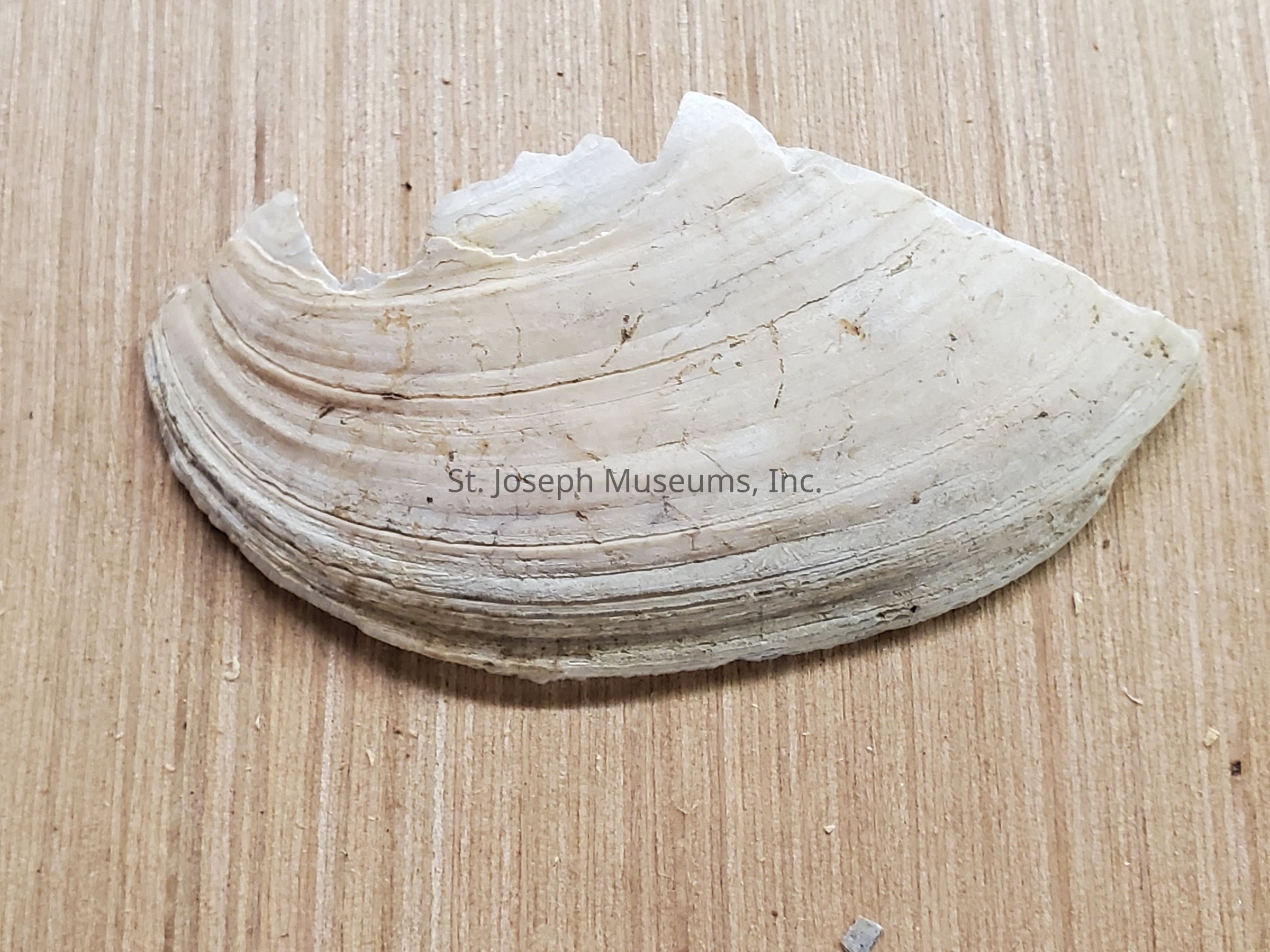
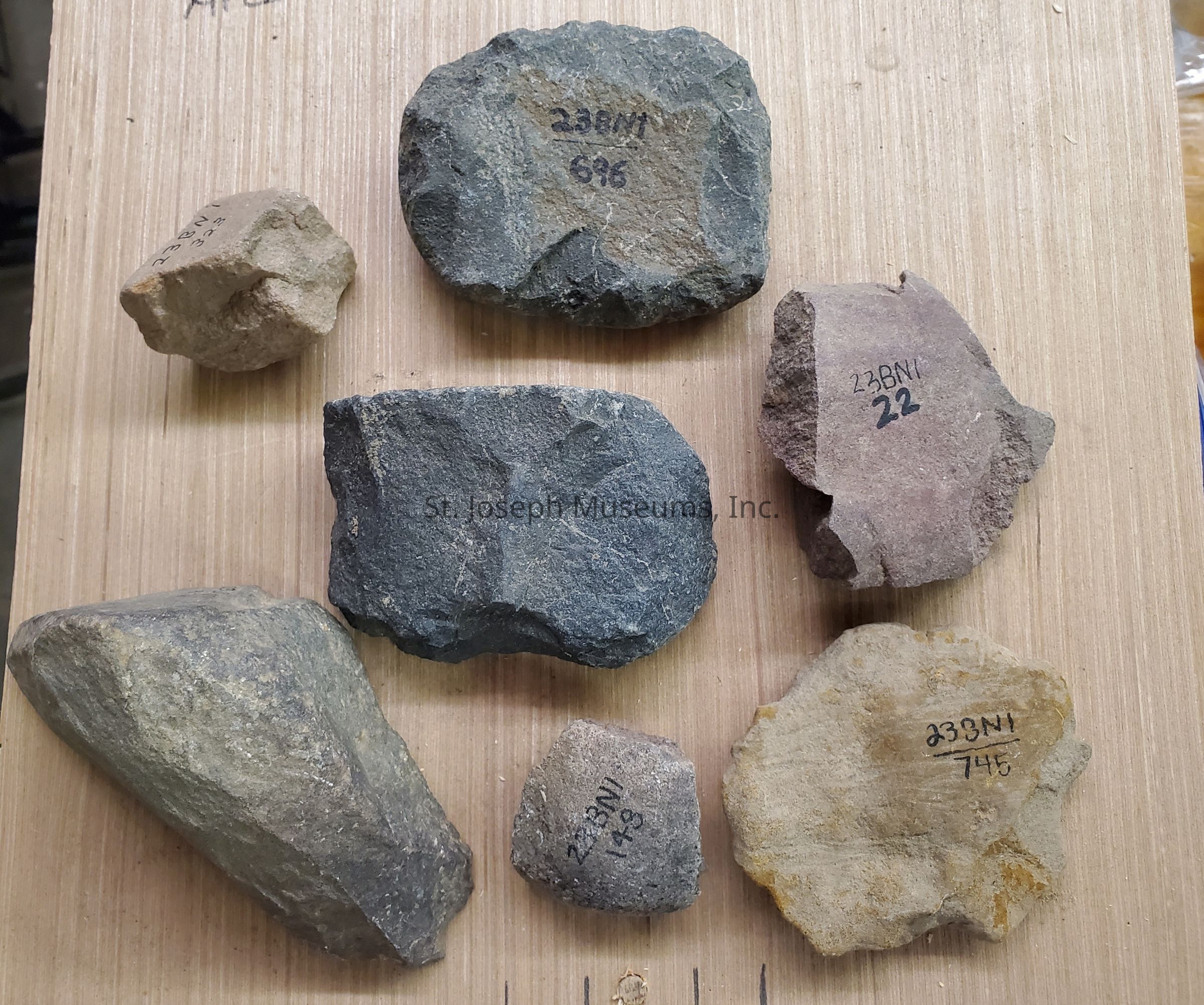
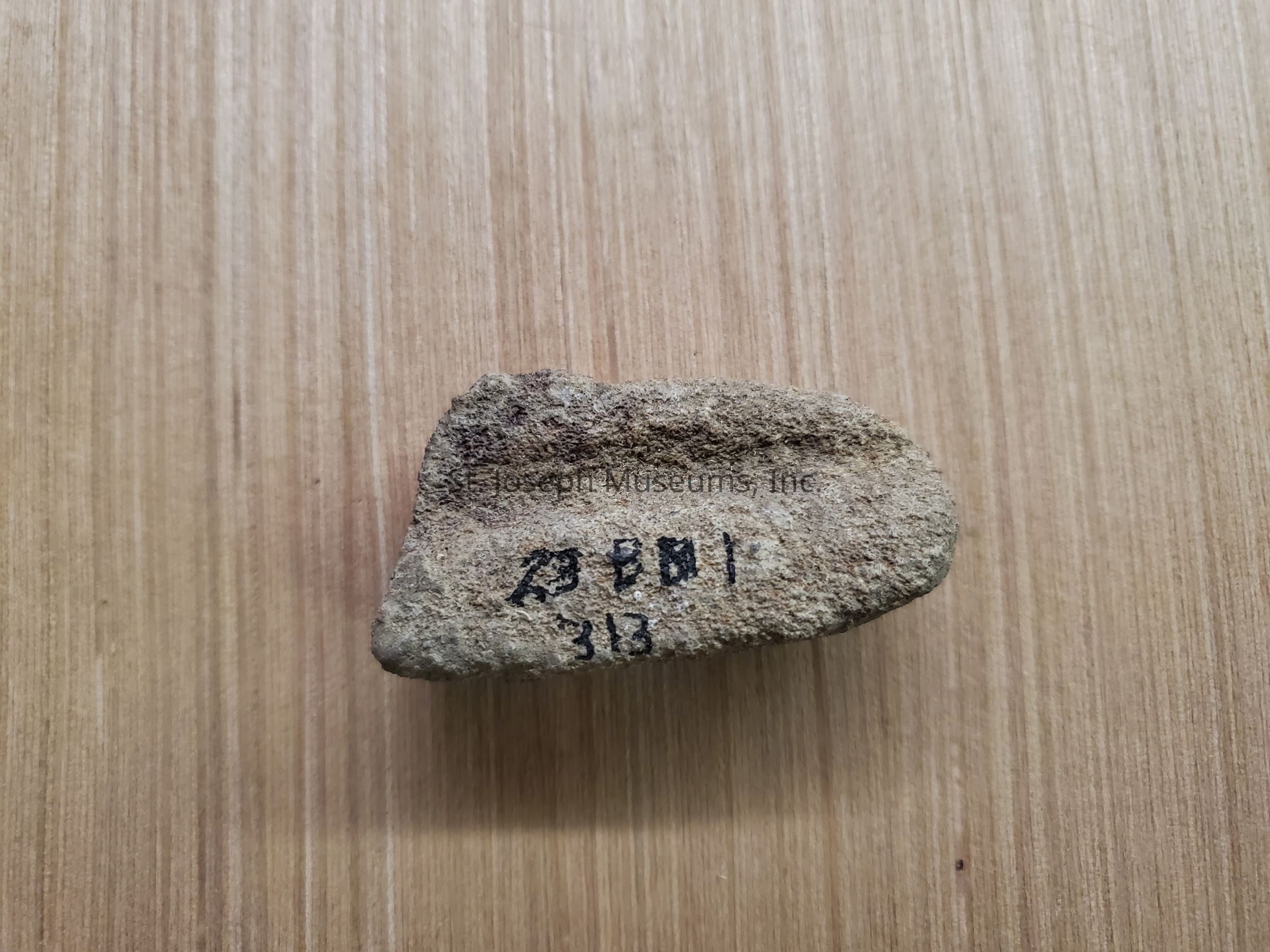
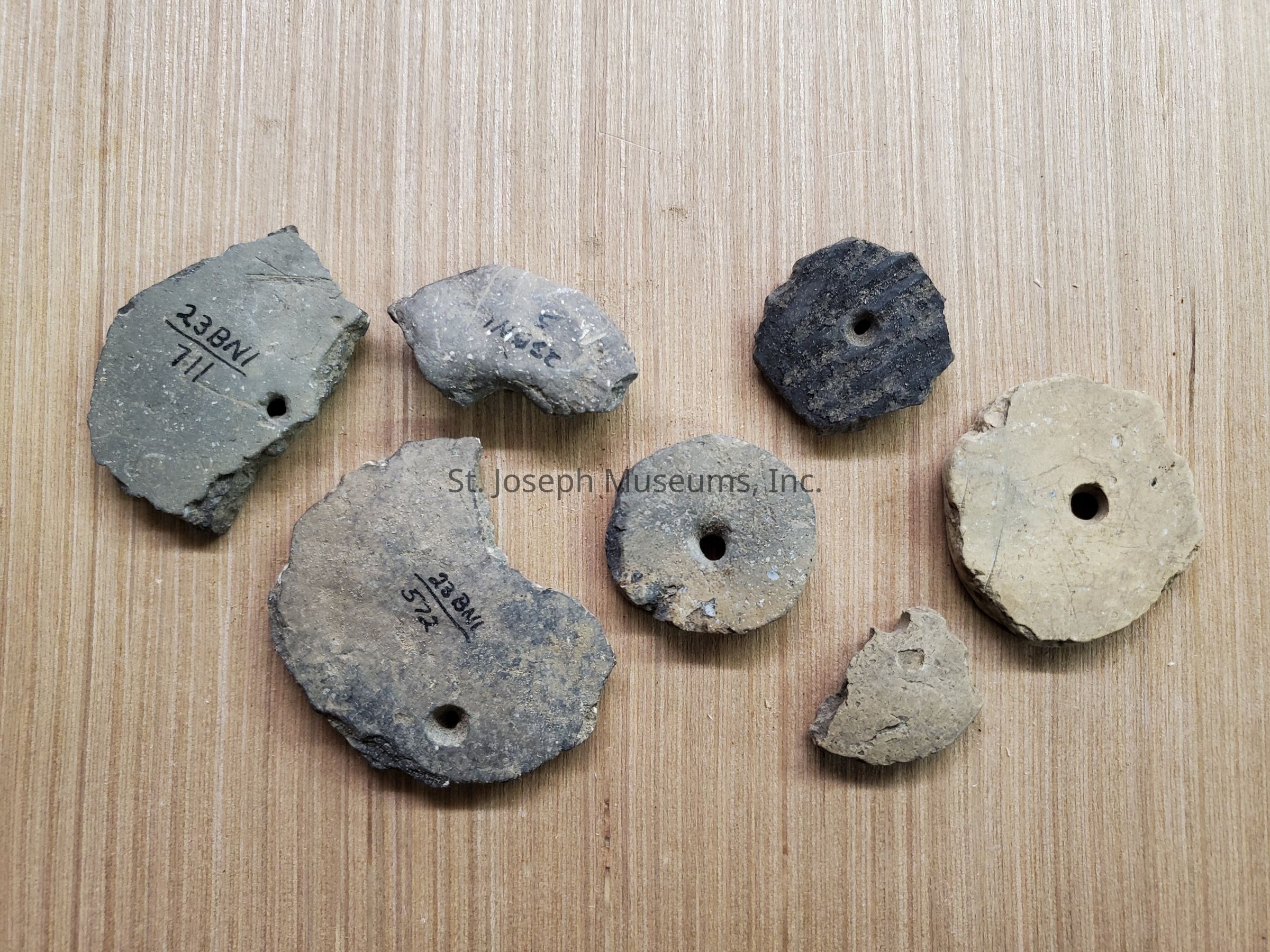
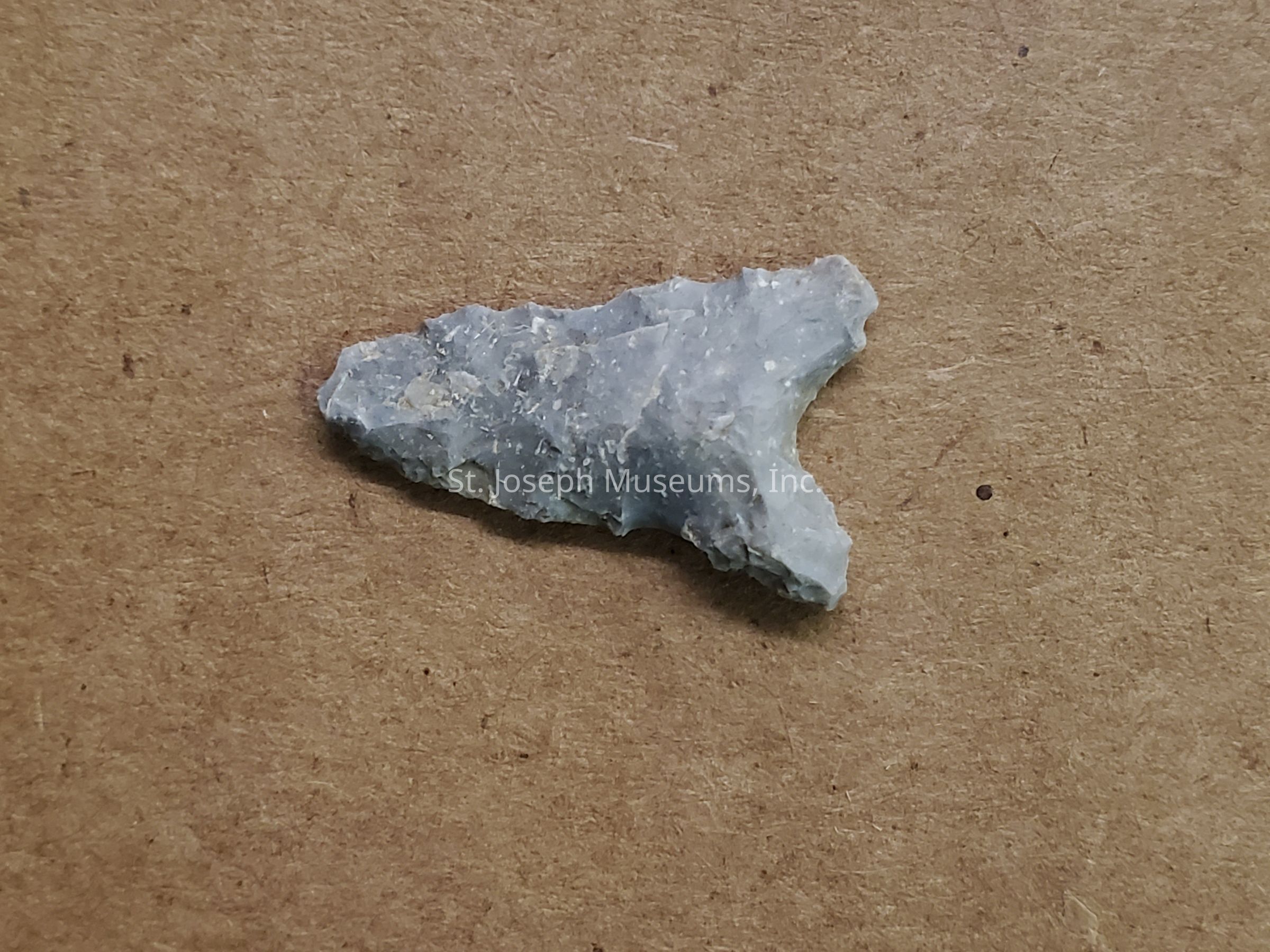
23BN1 Materials resorted from a box previously designated for repatriation per NAGPRA guidelines. Box was completely unlabeled. Other associated 01.15 boxes that were previously designated for repatriation and were labeled MNI or AFO were deemed not funerary or human material. Material in this box were labeled 23BN1 with multiple artifact numbers. Material was resorted from the wood chips and dirt into several Ziplock bags. Artifacts were separated from the storage material (dirt and wood chips, there might be a few small artifacts still in the storage material bags). Artifacts include pottery sherds (body and rim) that are decorated and undecorated. Lithics, which include worked fragments. Shell fragments. A few hematite pipe fragments. Artifacts are numerous. Selected pictures are included of particularly noteworthy artifacts to show examples of present artifacts but there are still several unphotographed artifacts. Material is stored in seven boxes. All boxes given the same accession number so all material is identified as coming from the same NAGPRA repatriation box, as there was no way to otherwise guarantee that material was always indicated to have been stored together. Total: 7 boxes (KH Box 27 - KH Box 33) Total: 36 bagsCollection
23BN1Ethnography
Culture/Tribe
Kaw Nation
Native American