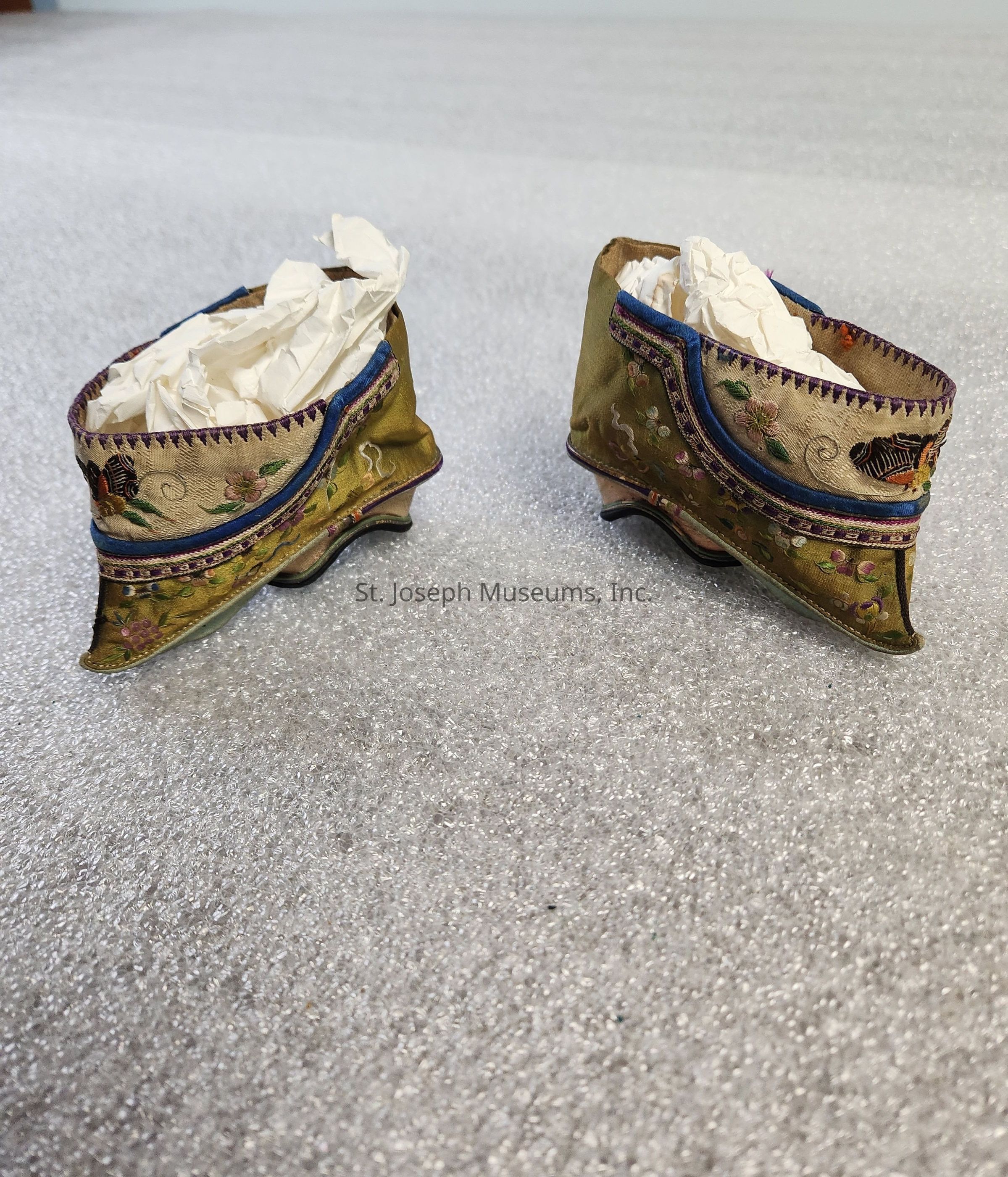
Label Type
Cultural/Historical ContextLabel
Ancient China is divided into distinct dynasties, each ruled over by a specific family. The guiding principle for the government of ancient China was called the Mandate of Heaven. The Mandate of Heaven was a philosophy that established whether rulers had the right to rule China. The rulers of ancient China were given vast amounts of power, but they had a moral obligation to use it for the good of their people. If a ruler did not do this, then the country would experience natural disasters. These natural disasters would be a sign to the peasants that the ruler lost the blessing of the gods to rule, and thus it was allowed to overthrow the existing government and install a new dynasty. Each dynasty saw specific achievements and major events. The Zhou dynasty (1046 BCE-256 BCE), for example, saw the formalization of their writing system and the rise of such important philosophers like Confucious, Lao-Tzu, and Sun-Tzu. The Qin Dynasty (221 BCE-206 BCE) began construction on the Great Wall of China. Shi Huangdi, the first emperor of the Qin dynasty, built for himself an enormous tomb which he filled with over 8,000 terracotta warriors to serve him in the afterlife. The Han Dynasty (206 BCE-220 CE) saw the invention of paper, established Confucianism as the exclusive philosophy of the government (a practice that has continued through to modern times), opened the Silk Road which opened trade routes to the rest of Asia and into Europe. The Sui Dynasty (589-618 CE) built the Grand Canal, enlarged the Great Wall, standardized coins across the country, built the army to its largest size, and encouraged the development of literature. The famous story Legend of Hua Mulan is thought to have been written during this time. The Tang Dynasty (618-907 CE) is considered the Golden Age of China, where the country saw an elongated period of peace, during which art, culture, and innovation could flourish. During this time, China also saw its first and only female monarch - Wu Zetian. The Song Dynasty (960 - 1279 CE) saw massive strides in artistic forms, characterized by large landscape paintings. Paper money was used for the first time, movable type was invented to make books and literature widely available and easier to print, traditional Chinese pottery was refined and the quintessential blue and white “China” was made popular, and public schooling was made available to all during this time. The Song Dynasty ended when the Mongols, led by Kublai Khan conquered the area, who established the Yuan Dynasty. There were only two more imperial dynasties that followed, and in 1911 the Republic of China was established.