Research Type
ResearcherNotes
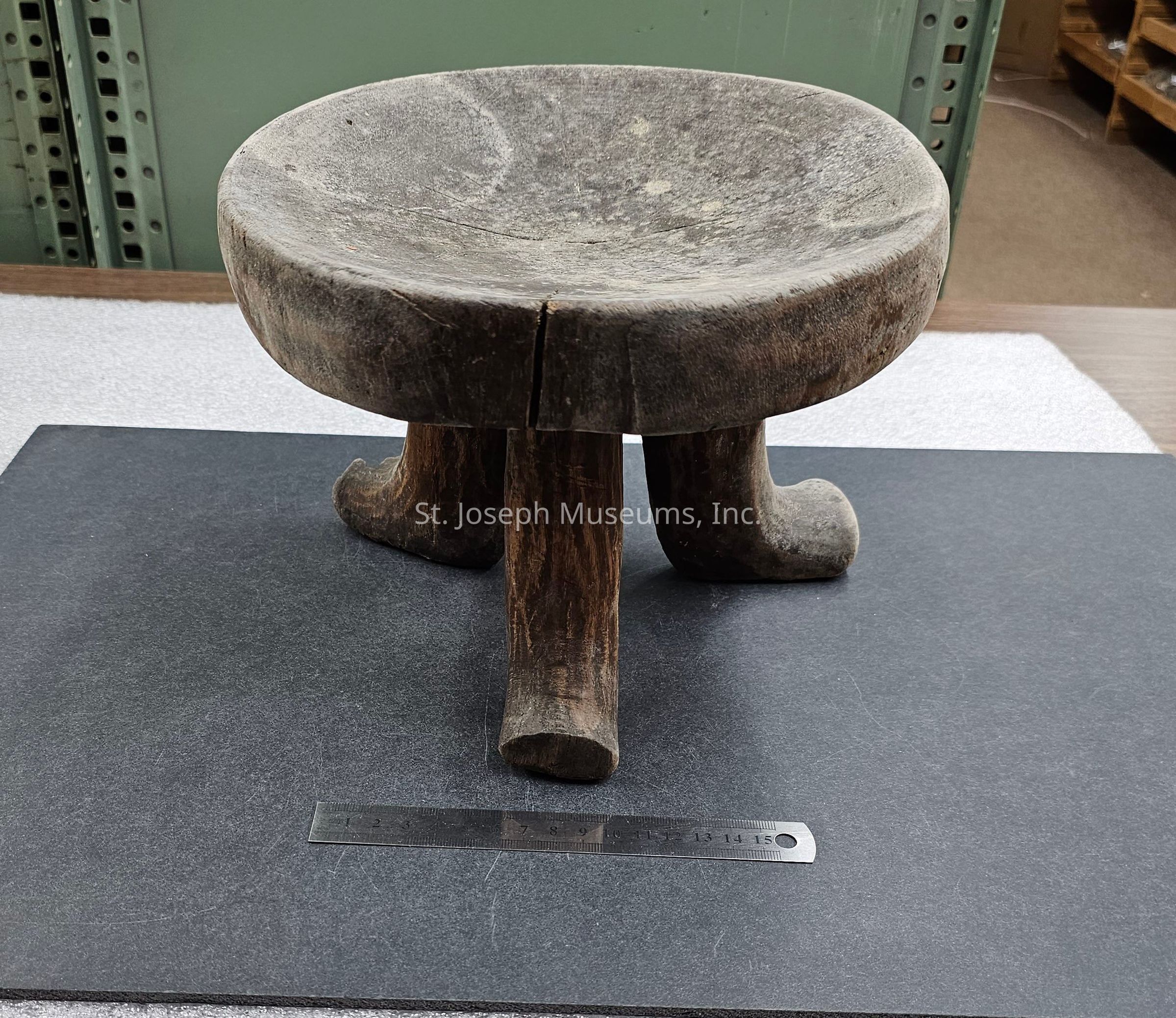
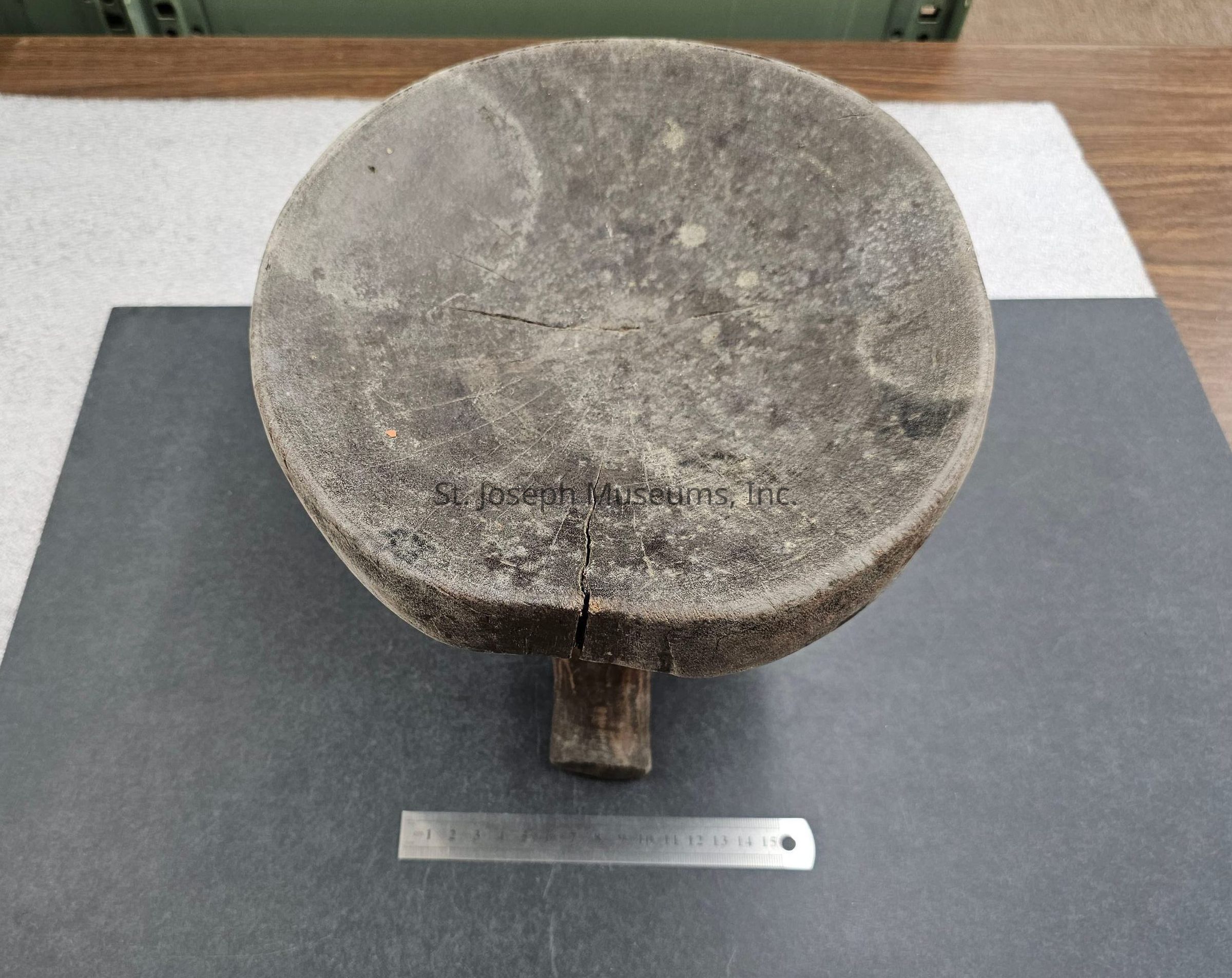
Several cultures in Africa held deep beliefs about stools, which held both secular and spiritual meaning to the people. Stools are a sign of status specifically. The Akan people in particular held stools in high regard. The Royal Stool was believed to hold the goodwill and spirit of past rulers. In order for new kings to rise to power, they had to sit in the previous ruler's stool and be accepted. Outside of the monarch, stools were important to individuals; it was believed that each stool held the soul of the person who owned it. When the head of a family, chief, or other leader died, their stool was transformed into a sacred object through ritual. The stools are kept in a special room, and it is through these stools that the living could make offerings and communicate with the ancestral spirit.
The Somali people used stools to signify status within the community, particularly between gender lines. Women traditionally used low stools while men used higher stools. All men in the community would know how to carve stools, but there were specialized stool carvers that would make them for important occasions. Stools for domestic use were carved by men within the family.