Name/Title
Nomadic feltsEntry/Object ID
NK8899.5.W65.B8 2010Description
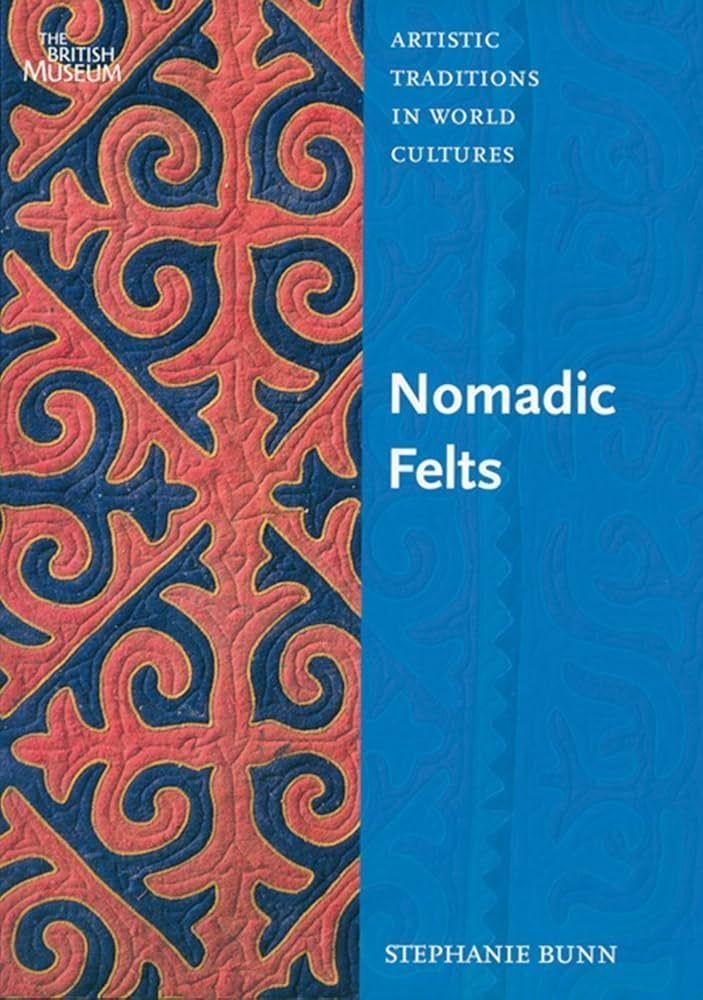
Believed to be one of the earliest textiles, felt has been made by the nomadic peoples of Central Asia for over 2,500 years and the craft still thrives there today. Valued for both its functional and decorative qualities, felt is used to make tent covers and all manner of objects relating to daily life, such as carpets, interior fittings, carrying bags, saddle cloths and clothing. Traditional feltmaking is also still practised in many other parts of the world, and this book provides the first comprehensive overview. It looks in particular detail at the turkic and Mongol traditions, which include felt from Kyrgyzstan, Kazakhstan, Uzbekistan, Turkmenistan and Xinjiang, and from Mongolia, Tibet, Bhutan and South-East Asia respectively, as well as closely associated styles from Afghanistan and the Caucasus, Iranian, Turkish and Indian felts reveal historical influences from the Middle East; other parts of the world with related traditions include the Balkans, Romania, Hungary and Japan. As well as the history and technology of feltmaking, the book explores patterns and their meaning and symbolism.Acquisition
Source (if not Accessioned)
Nancy MicklewrightNotes
Gift of Nancy Micklewright, July 2025.Lexicon
Search Terms
felt work--asia, felt work--cross-cultural studies, felting--asia, nomads--asiaBook Details
Author
Stephanie BunnPublisher
British Museum PressDate Published
2010ISBN
9780714125572Notes
Length: 160General Notes
Note Type
ContentsNote
Ancient felts -- Felting techniques -- Turkmen, Uyghur and Uzbek felt -- Kyrgyz and Kazakh felt -- Felt in the Middle East -- Felt: borders and crossroads Afghanistan, South Asia, the Caucasus, Eastern Europe and Japan -- Felt tents -- Pattern, meaning and belief.