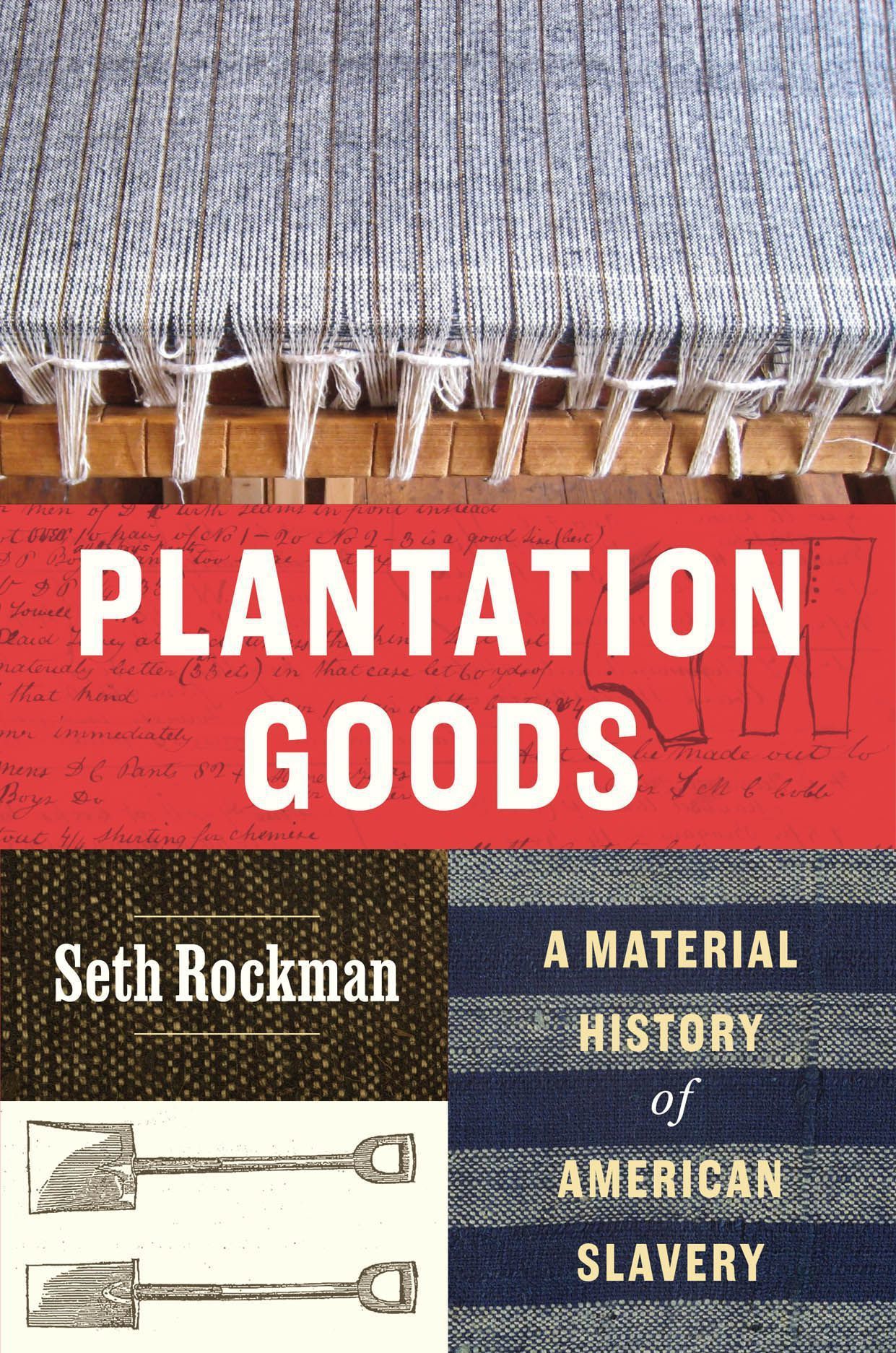
Name/Title
Plantation goods : a material history of American slaveryEntry/Object ID
E445.S7.R6 2024Description
"An eye-opening rethinking of nineteenth-century American history that reveals the interdependence of the Northern industrial economy and Southern slave labor. The industrializing North and the agricultural South-that's how we have been taught to think about the United States in the early nineteenth century. But in doing so, we overlook the economic ties that held the nation together before the Civil War. We miss slavery's long reach into small New England communities, just as we fail to see the role of Northern manufacturing in shaping the terrain of human bondage in the South. Using plantation goods-the shirts, hats, hoes, shovels, shoes, axes, and whips made in the North for use in the South-historian Seth Rockman locates the biggest stories in American history in the everyday objects that stitched together the lives and livelihoods of Americans-white and Black, male and female, enslaved and free-across an expanding nation. By following the stories of material objects, such as shoes made by Massachusetts farm women that found their way to the feet of a Mississippi slave, Rockman reveals a national economy organized by slavery-a slavery that outsourced the production of its supplies to the North, and a North that outsourced its slavery to the South. Melding business and labor history through powerful storytelling, Plantation Goods brings Northern industrialists, Southern slaveholders, enslaved field hands, and paid factory laborers into the same picture." -- PUBLISHERLexicon
Search Terms
slavery--economic aspects--united states, united states--commerce--history--19th centuryBook Details
Author
Seth RockmanPublisher
University of Chicago PressDate Published
2024ISBN
9780226723457, 0226723453Notes
Length: 501General Notes
Note Type
ContentsNote
Introduction. A captive market -- Part 1. Production. Plantation entrepreneurs ; Masters of negro cloth ; Interlude 1. The Russet brogan ; Plantation labor outsourced ; Wage slaves -- Part 2. Distribution. The middlemen ; Interlude 2. The negro cloth sample ; Racial knowledge for sale -- Part 3. Consumption. The fantasies of provisioning ; Commercial emancipation ; Interlude 3. The Newark whip ; Complaints and compliance ; Coerced consumers -- Conclusion. Four million liberated consumers.