Name/Title
Soviet textiles : designing the modern utopiaEntry/Object ID
NK8856.K33Description
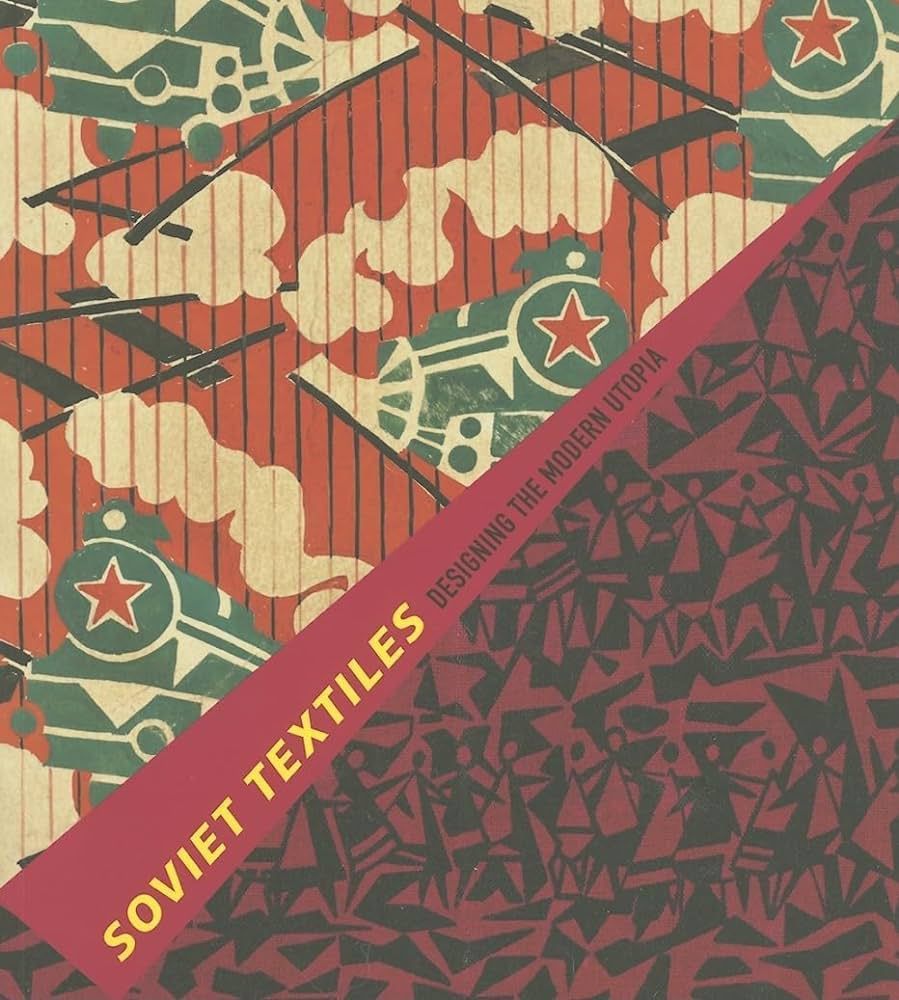
Between 1927 and 1933, a fascinating experiment in textile making took place in the Soviet Union. As the new nation emerged and the Communist Party struggled to transform an agrarian country into an industrialized state, a group of young designers began to create thematic textile designs. They believed that by mass-producing fabrics depicting locomotives, factories, and other symbols of collective modernity for clothing and household use, they could mold the buyers into ideal Soviet citizens. While the experiment ultimately failed as propaganda (the ideal citizen clung to their tradition floral motifs), it yielded many bold and intriguing new designs." "Soviet Textiles: Designing the Modern Utopia presents some forty of these textiles and discusses the political and artistic contexts that gave rise to them. Author Pamela Jill Kachurin identifies major themes and motifs that permeate the designs: industrialization, transportation, electrification, youth, agriculture and collectivization, and sports and hobbies. In the final account, few of these designs ever saw mass production; but their graphic power - and their value as elements of artistic and social history - is undiminished.Lexicon
Search Terms
communist aesthetics, propaganda in art, signs and symbols, textile design--soviet unionBook Details
Author
Pamela Jill Kachurin, Museum of Fine Arts (Boston)Publisher
Museum of Fine ArtsDate Published
2006Call No.
NK8856.K33ISBN
878467033, 9780878467037LCCN
2006922389Notes
Length: 96