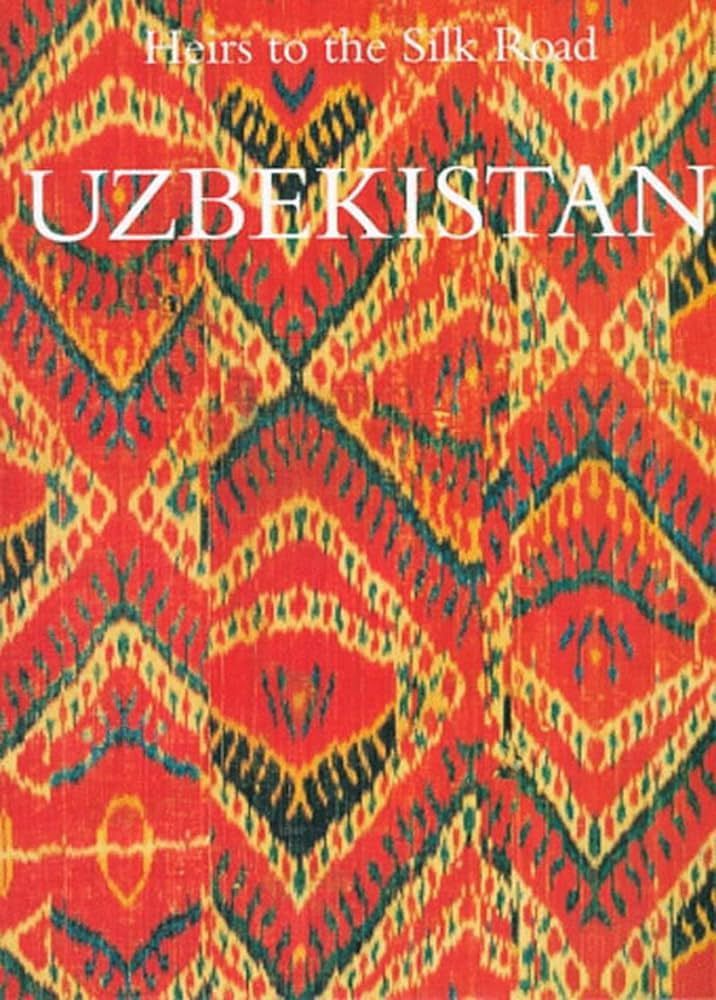
Name/Title
Uzbekistan : heirs to the silk roadEntry/Object ID
N7297.U91Description
From the time of the Silk Road's rediscovery by European pioneers and travellers in the 19th century, the fascination of this famous route has never been lost. From the second century BC this 7000 kilometre, wickerwork pattern of traders' roads linked China and the Roman Empire. It served the trade of luxury goods, notably silk, and stimulated the spread of ideas about religion, culture and art. The young republic of Uzbekistan, with its ancient urban cultural centres of Bukhara, Chiwa and Samarkand is the heartland of the Silk Road. The artistic and cultural history of the region, from the fourth century BC until the most recent past, is represented here in four main sections; Transoxania from the fourth century BC to the eighth century AD; Central Asia as a centre of Islamic conquest in the eighth century until the fall of the Timurian empire at the beginning of the 16th century; Turkestan from the 16th century up to the beginnings of the 20th century, and Usbekistan from the Russian conquest to the establishment of sovereignty. There are also sections on architecture, books, Islamic arts and crafts and the widespread wealth of textiles of the region. The cultural history of this region is illustrated here with pictures of archaeological finds and ethnographical objects from European and Uzbeki museums and private collections, many available for the first time.Collection
Carol Westfall CollectionLexicon
Search Terms
art--uzbekistan, carol westfall collection, islamic art, uzbekistanBook Details
Author
Johannes Kalter, Margareta PavaloiPublisher
Thames & HudsonDate Published
1997Call No.
N7297.U91ISBN
500974519, 9780500974513LCCN
96062027Notes
Length: 368