Name/Title
Scissor BlanksEntry/Object ID
2025.8.1Tags
scissors, blanks, manufacturingDescription
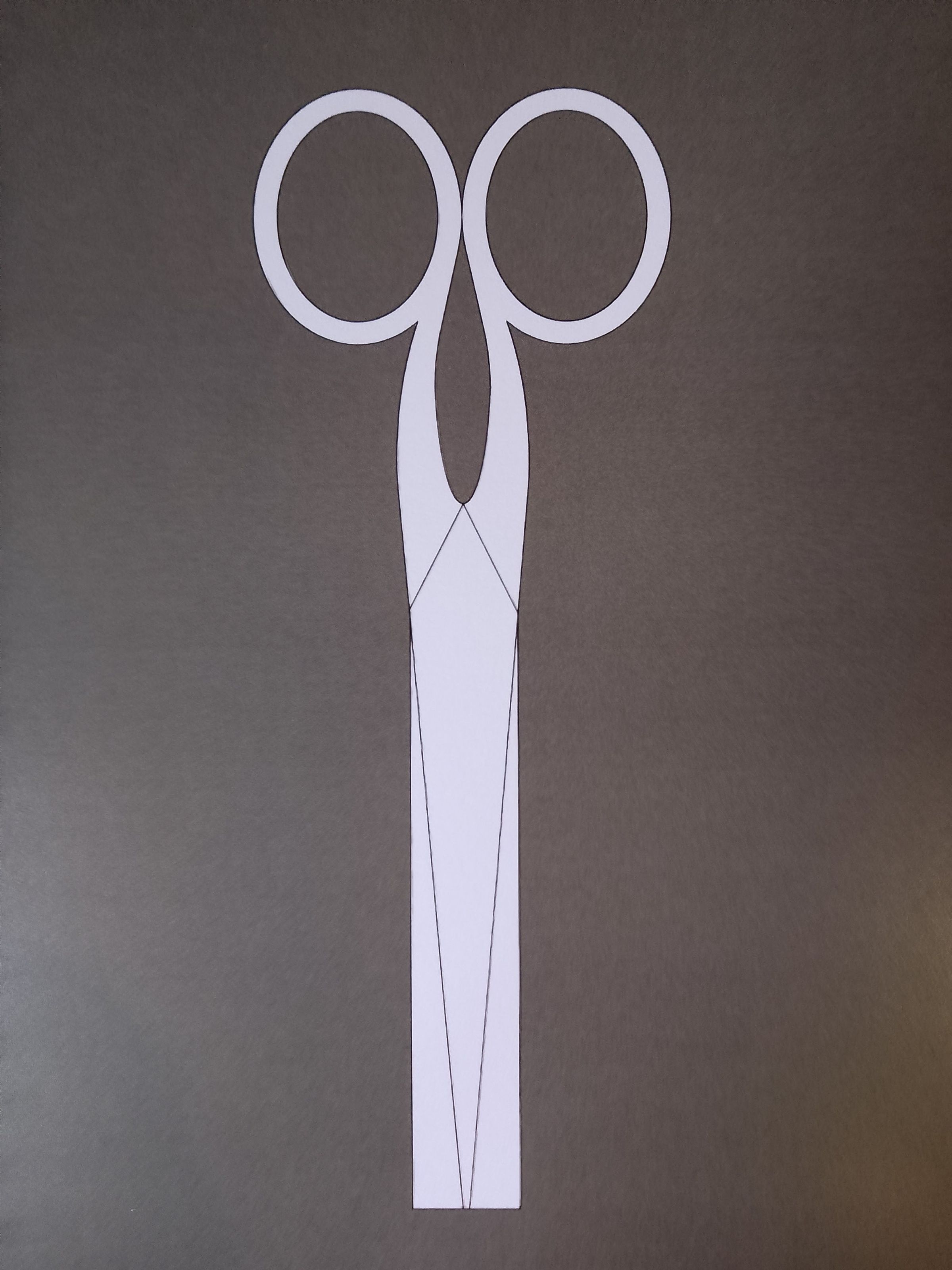
Blanks are the individual halves of a pair of scissors in their original form.
Before 1840 European scissors were made entirely by hand. The blanks were rough forged and then the shape was refined through filing and grinding. In Sheffield, the basic iron/steel rod that has been cut and prepared for forging is a 'mood' (Smith, p23). After forging to shape, it is known as a 'blank'. If the blank was made of soft iron and a harder steel blade, the two metals are welded - 'shot' - together. A mark is struck in the 'under' to indicate a pair - this is known as 'marrying'.
Around the middle of the 19th century, European scissormaking started using hot drop forging to create the rough scissor blanks and, although the pieces still needed all the hand finishing, this reduced manufacturing costs considerably. Adopting this process meant standardisation of designs and manufacturers started to issue catalogues to the public. It also meant that the range of patterns dropped dramatically and old patterns were simplified. As the expertise with die-making increased, the complexity of the blanks did too but the fancier scissors were still not as crisp and as well finished as the earlier hand cut examples. Fancy hand cut scissors tend to be lighter and more delicate than their hot forged versions.
At the start of the 1900s, manufacturers were using cold stamping and casting to produce higher volumes of lower quality (particularly small domestic) scissors. Cold stamping can only produce shallow designs and casting often resulted in brittle blanks. Hot forging was still used in Europe for higher quality scissors.Create Date
February 14, 2025Update Date
February 14, 2025