Shoulder Transitions
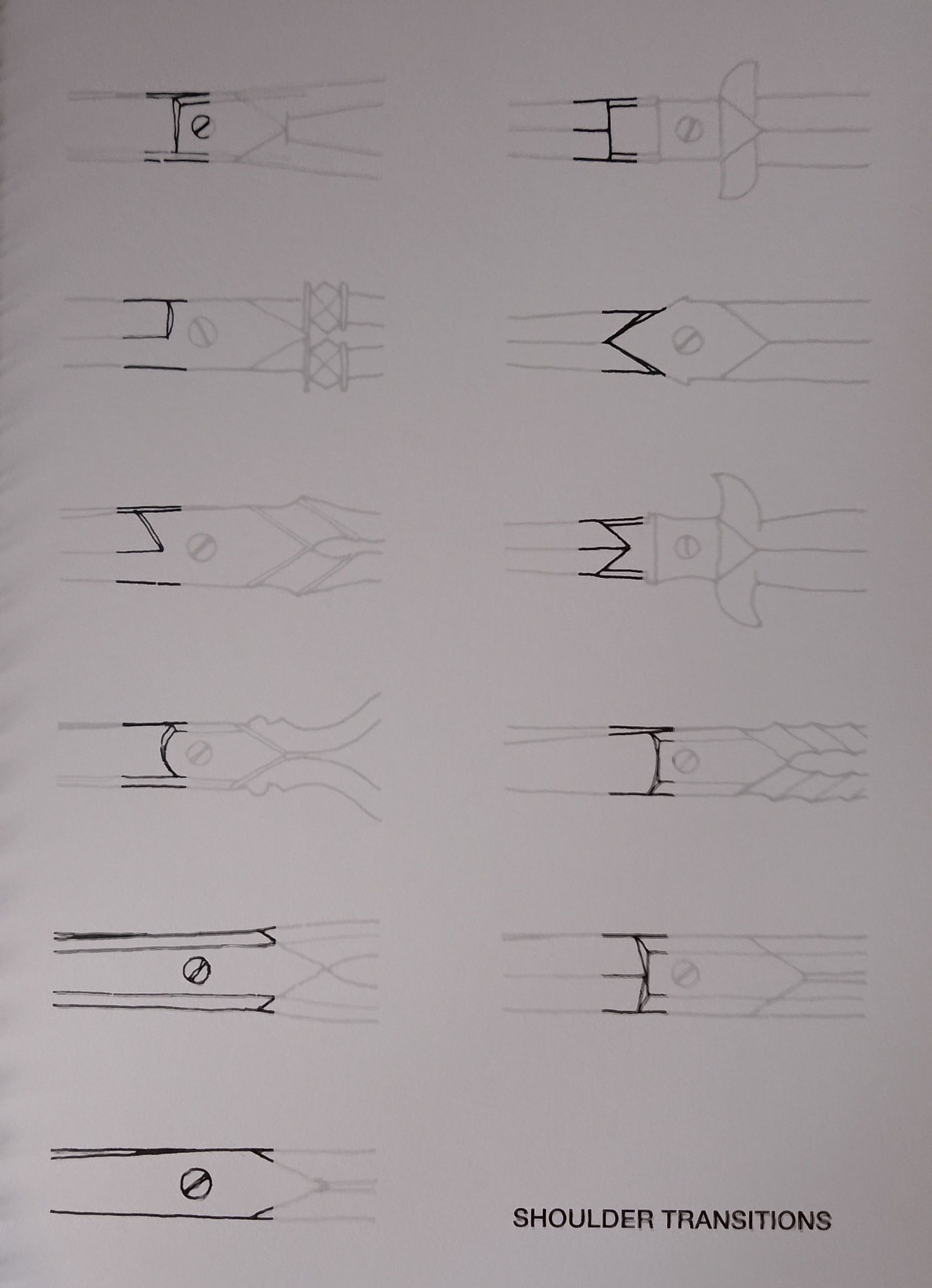
Shoulder Transitions
An image showing different styles of shoulder transitions, ie, the point at which the body of the scissors transitions into the blade.
Name/Title
Shoulder TransitionsEntry/Object ID
2025.6.25Tags
shoulder, scissorsDescription
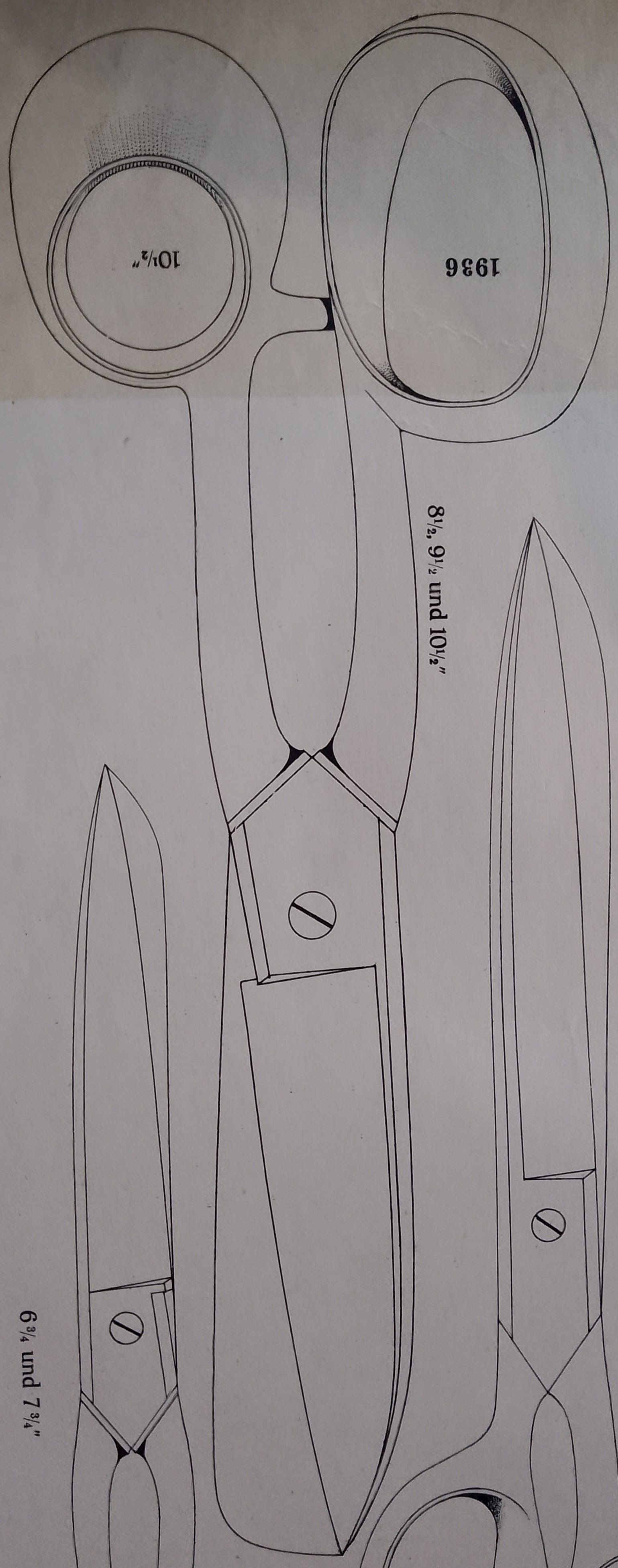
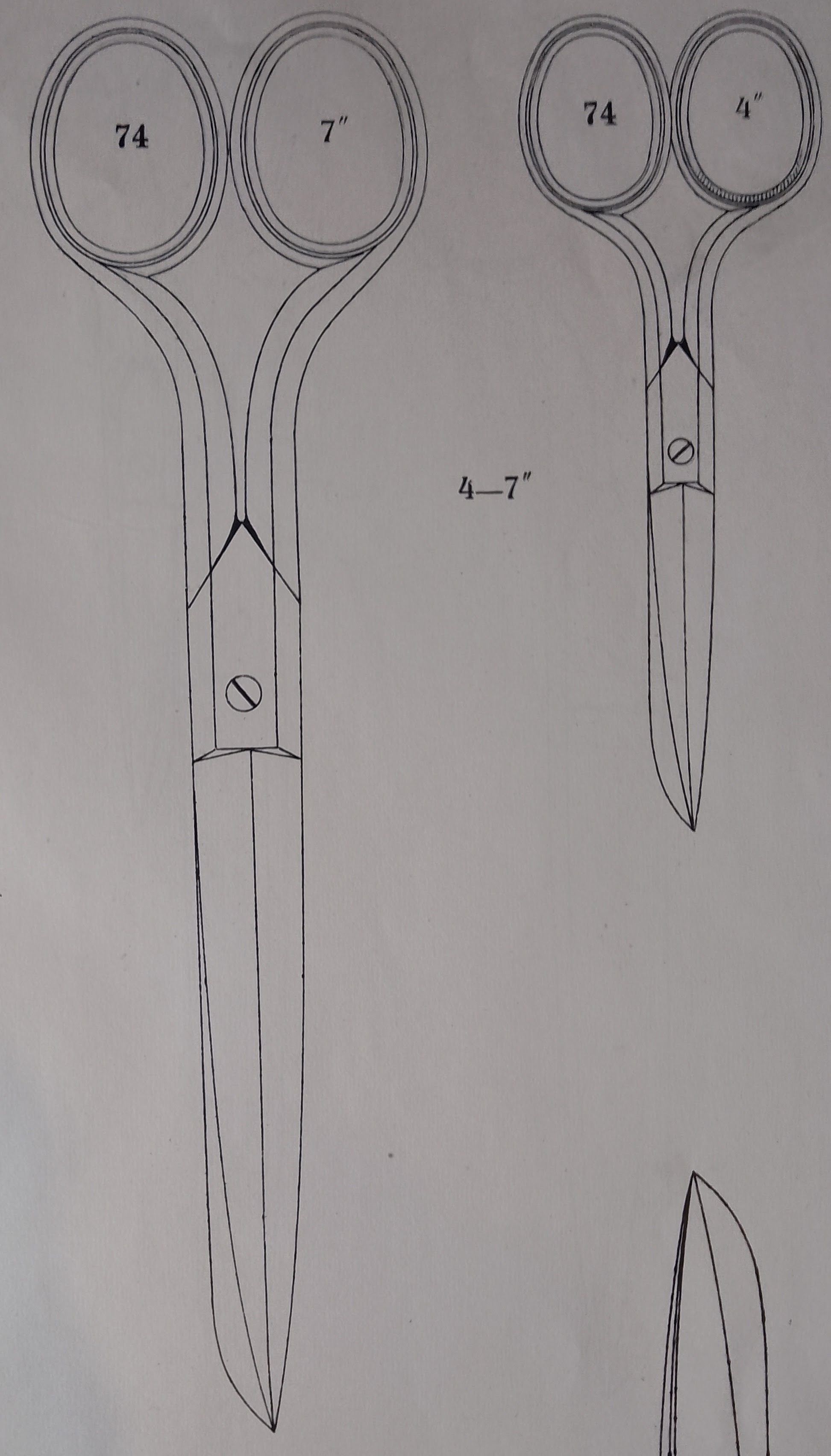
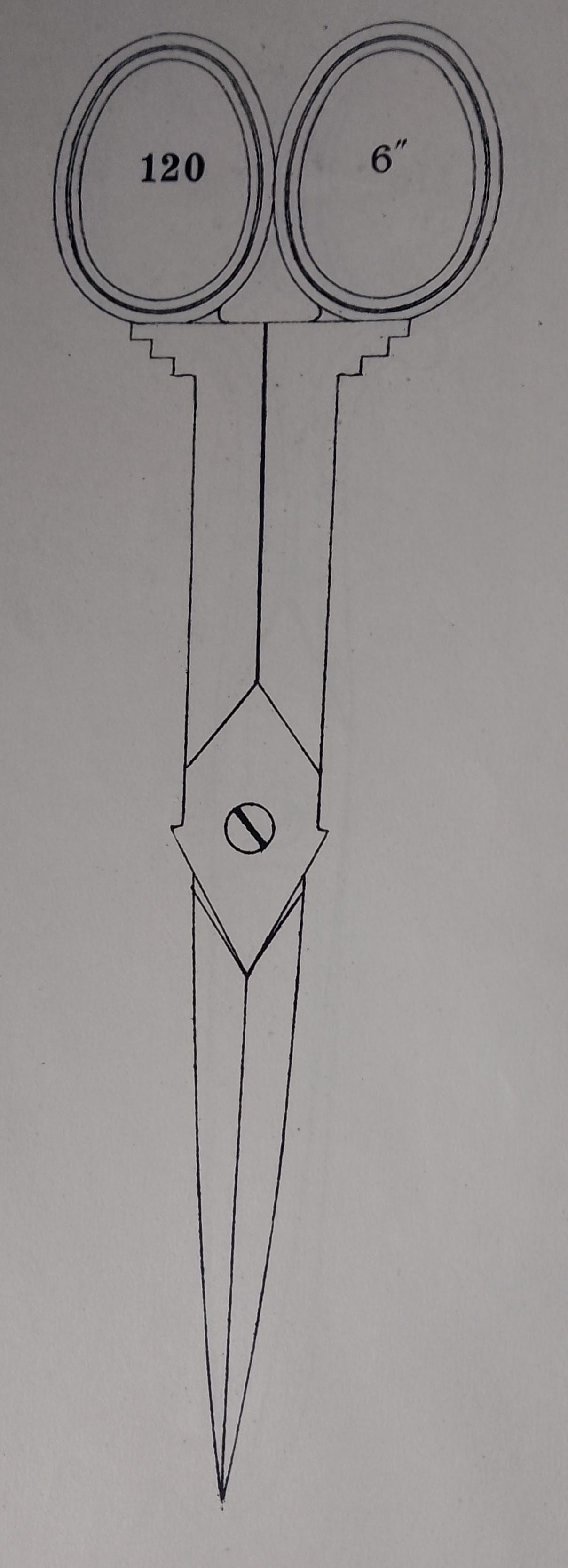
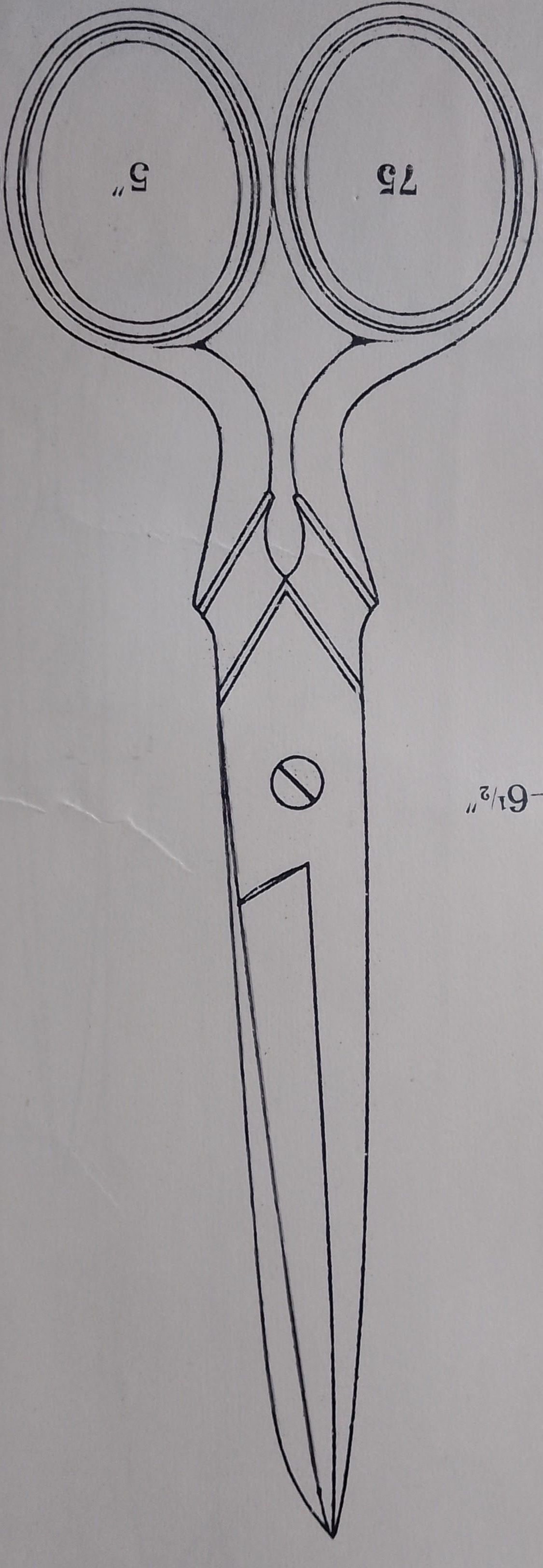
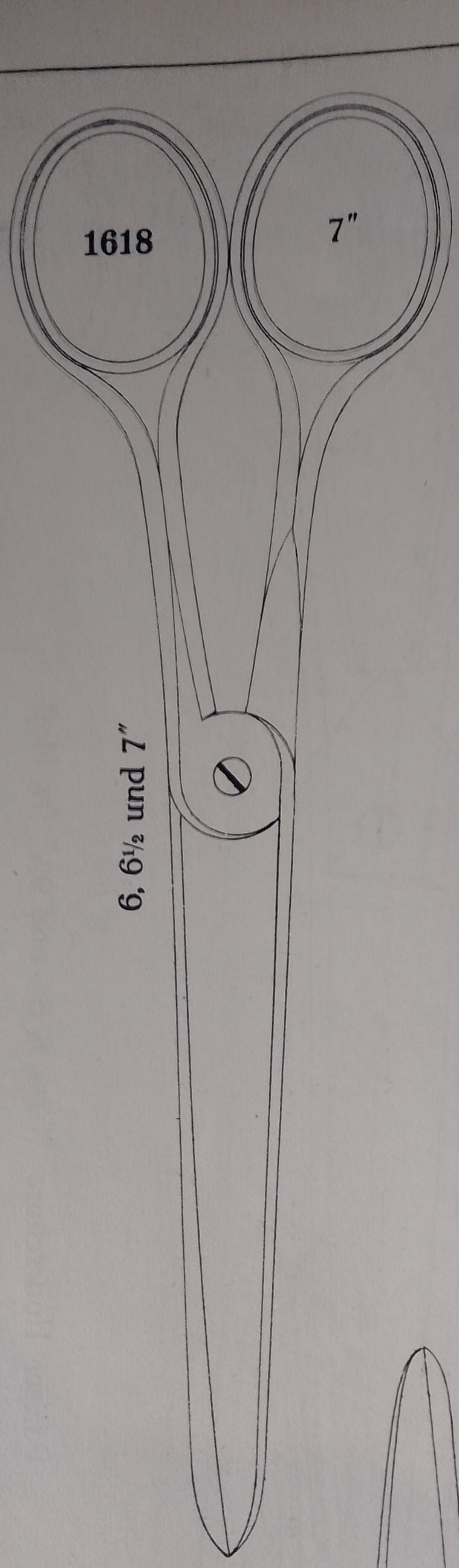
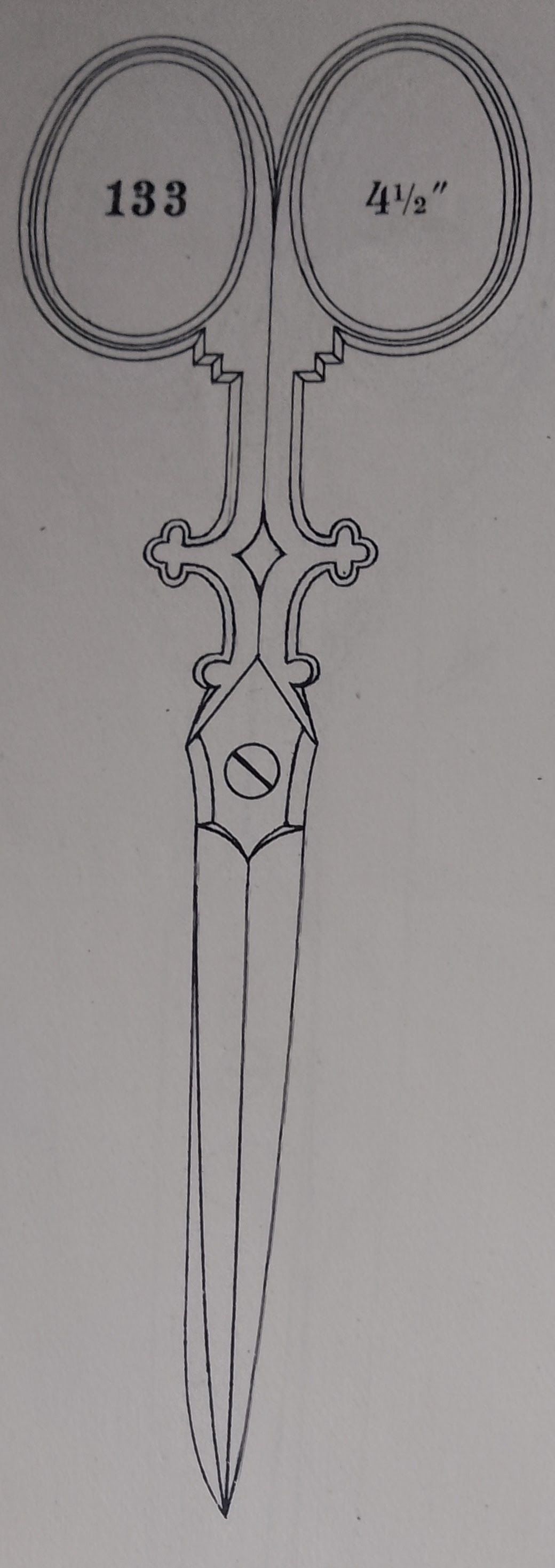
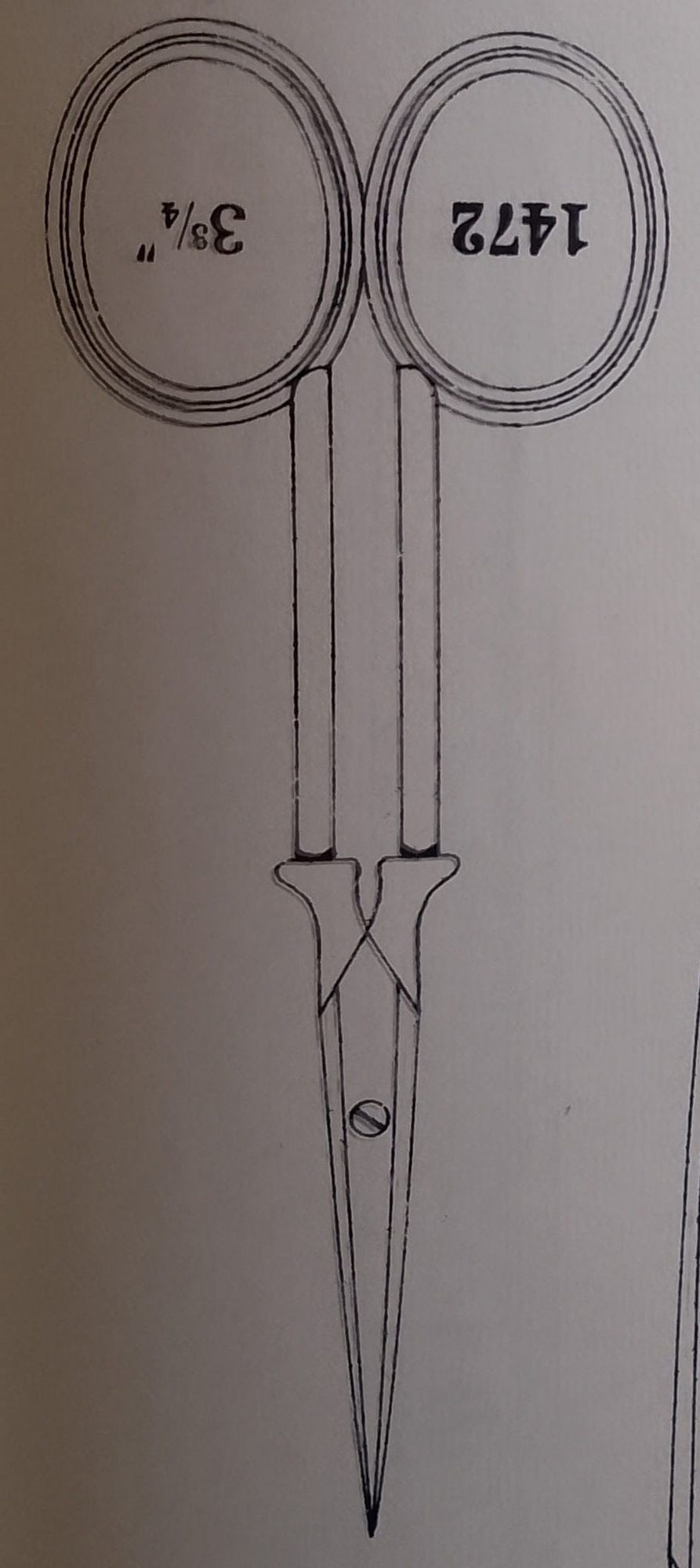
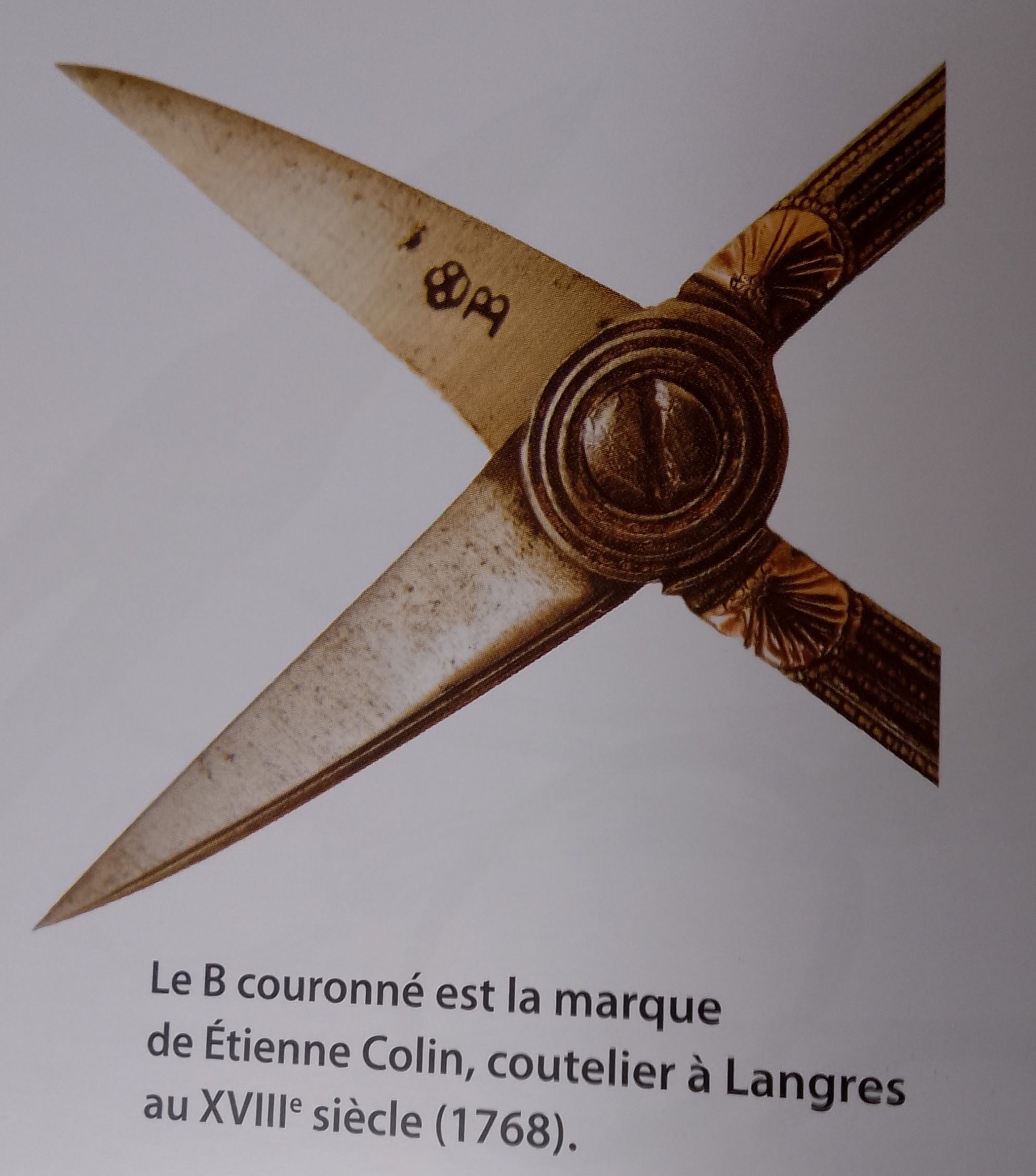
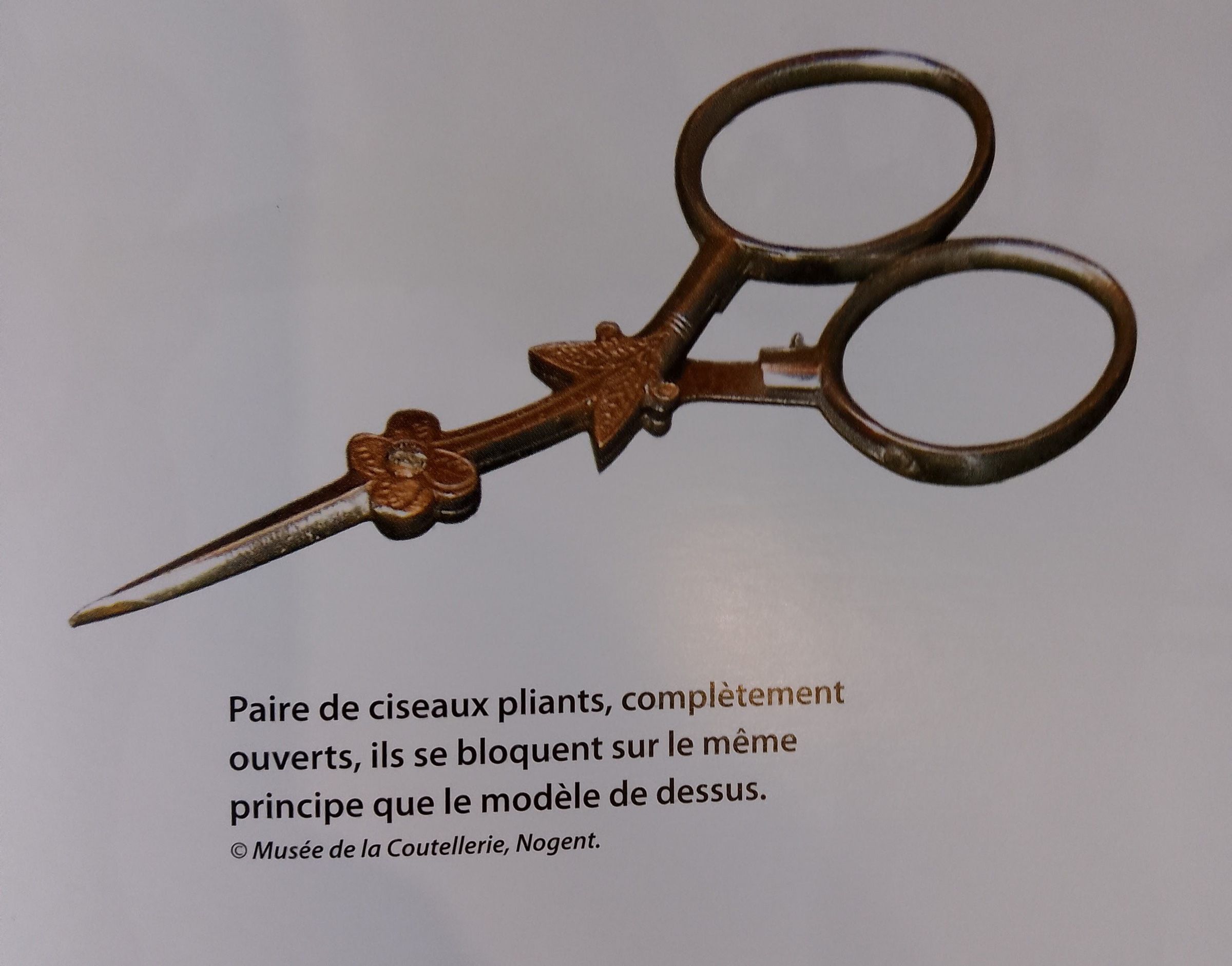
The shoulder is where the body of the scissors transitions into the blade. The cross sections of both the blade and the body of the scissors can dramatically change the aesthetic of the shoulder; nonetheless, they can be loosely categorised into the following types: Square; Sweeping; Forwards; Backwards; Arcing; and Fancy. Square shoulders are the most common. The plunge line can be perpendicular to either the cutting edge (asymmetrical cross section, see image of design 1936) or the centre of the blade (symmetrical cross section, see image of design 74). Almost all scissors made since the mid 20th century have a Sweeping shoulder. This is due to the rounded corners of the abrasive wheels that are used in the industrial grinding of the outside of the blades. Forward shoulders look similar to Sweeping shoulders but they are crisp and square at the bottom of the plunge (see image of design 120) and are most commonly used to transition onto Dagger grinds (CS1). Backward shoulders are most common in Victorian scissors made in Sheffield. However, this style is not exclusive to Sheffield and the details can be seen occasionally in scissors made elsewhere in Europe (see image of design 75). Arc shoulder transitions (see image of design 1618) were very popular on high quality French embroidery scissors in the 18th century. Some were even part of an entire circle that surrounded the pivot and included a curved joint as well (see xxx). Fancy shoulders are used as a decorative element and are often a continuation of an aesthetic theme (see image of design 133). If the cross sectional shape of the blade continues down into the blades there is no need for a defined shoulder (see image of design 1472). For instance, a 'Bodkin blade' is a tapered blade with a continuous rounded cross section (CS2) and no shoulder so that it can be used to make a hole without it catching on the fabric.Category
Design Elements