Name/Title
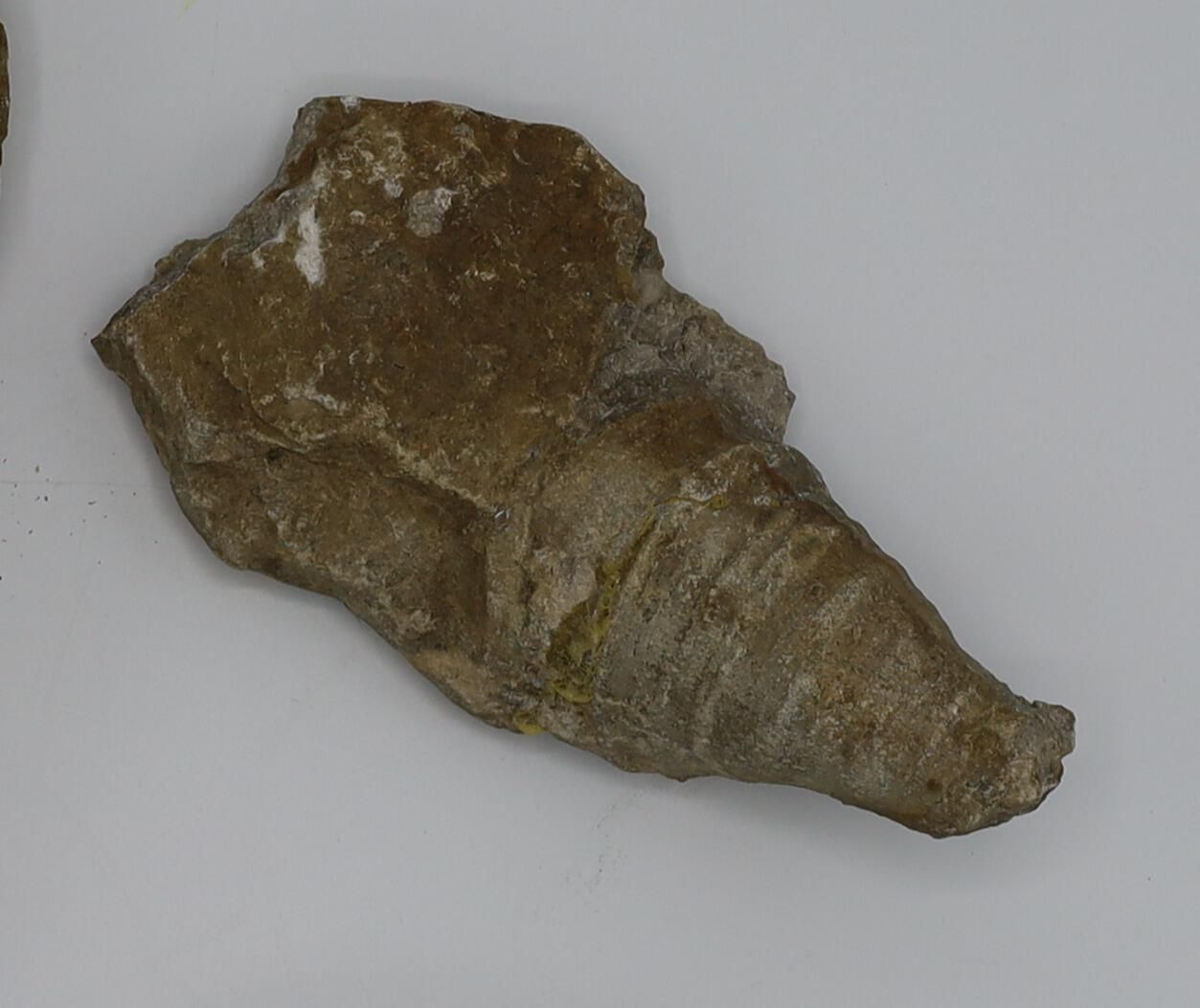
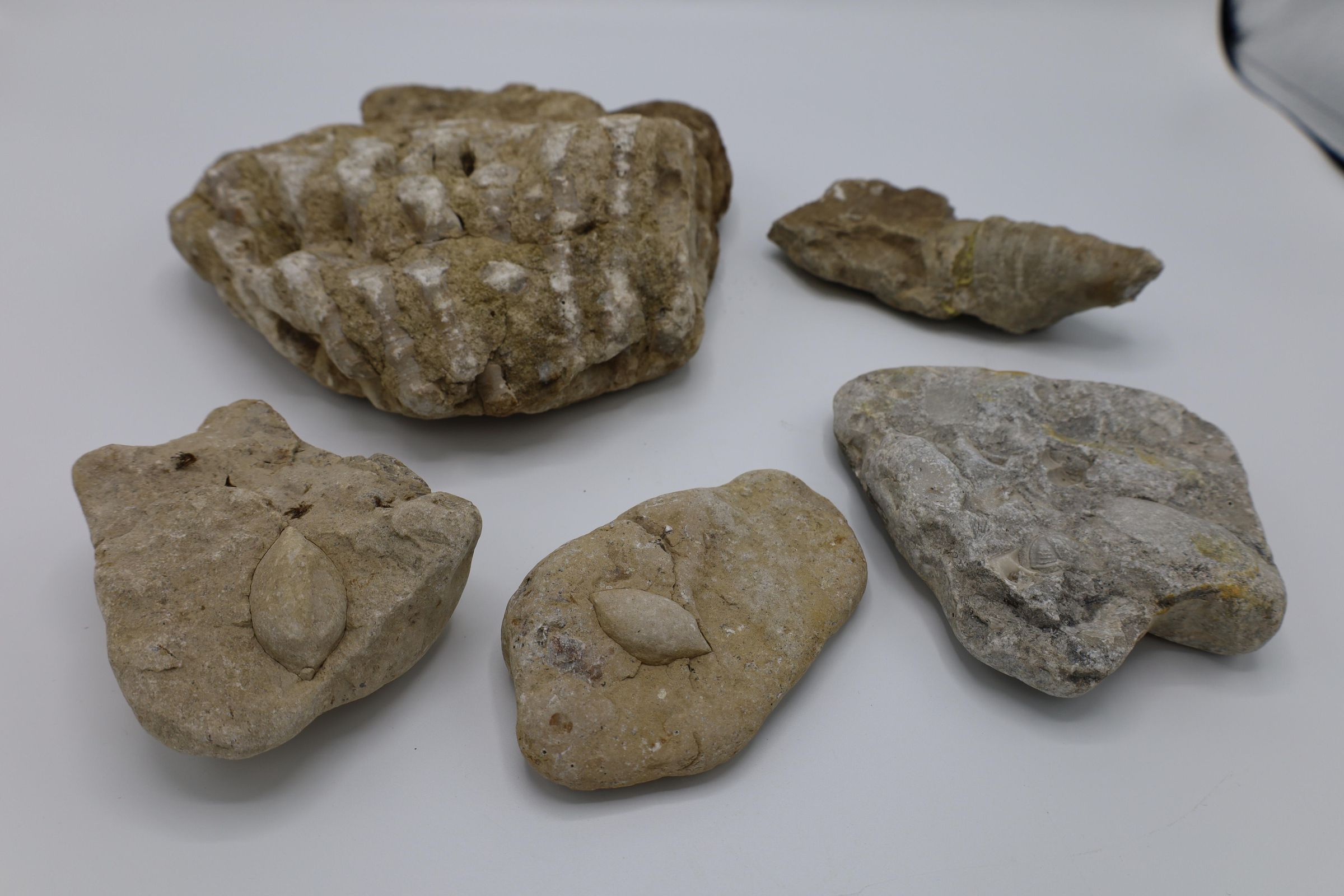
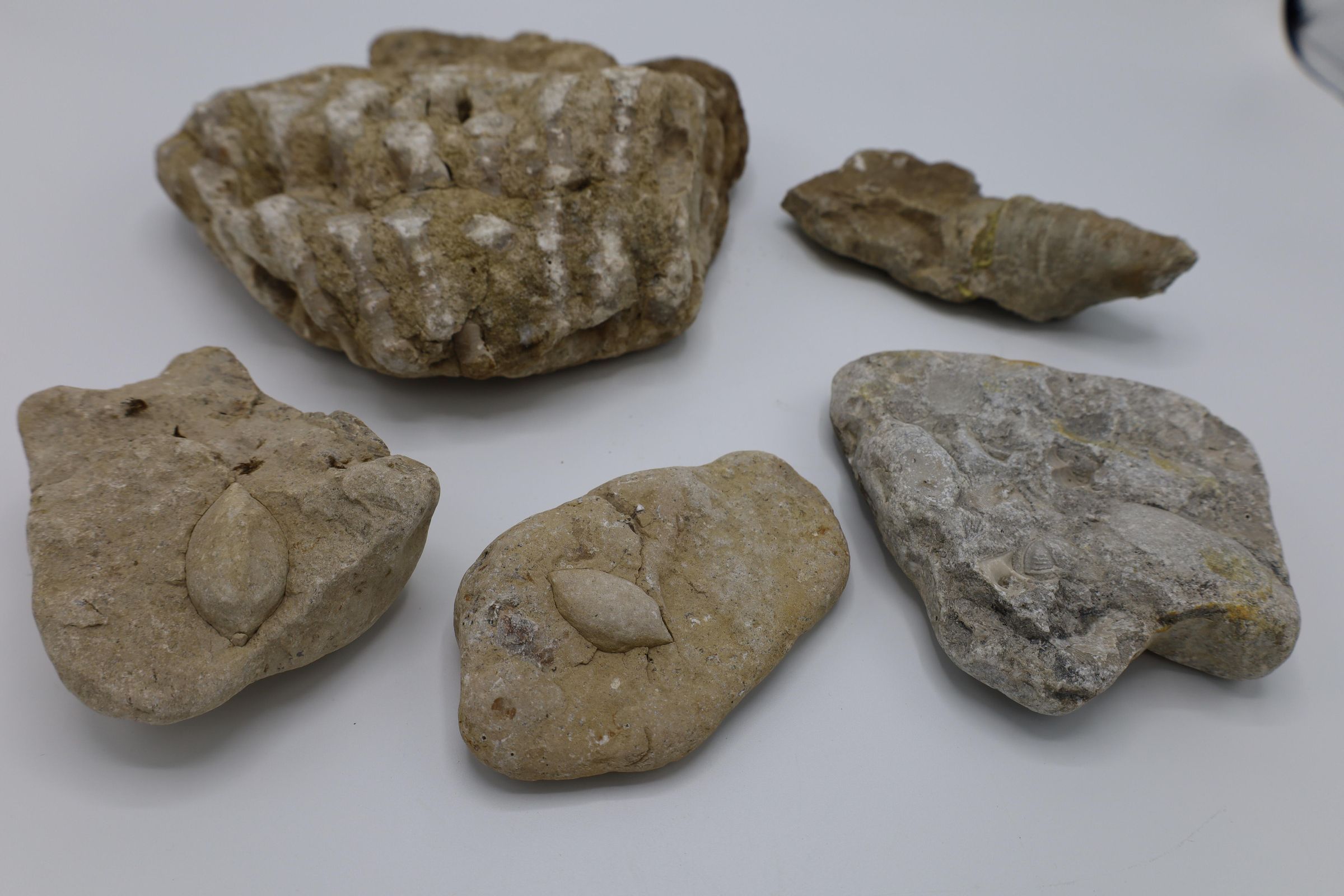
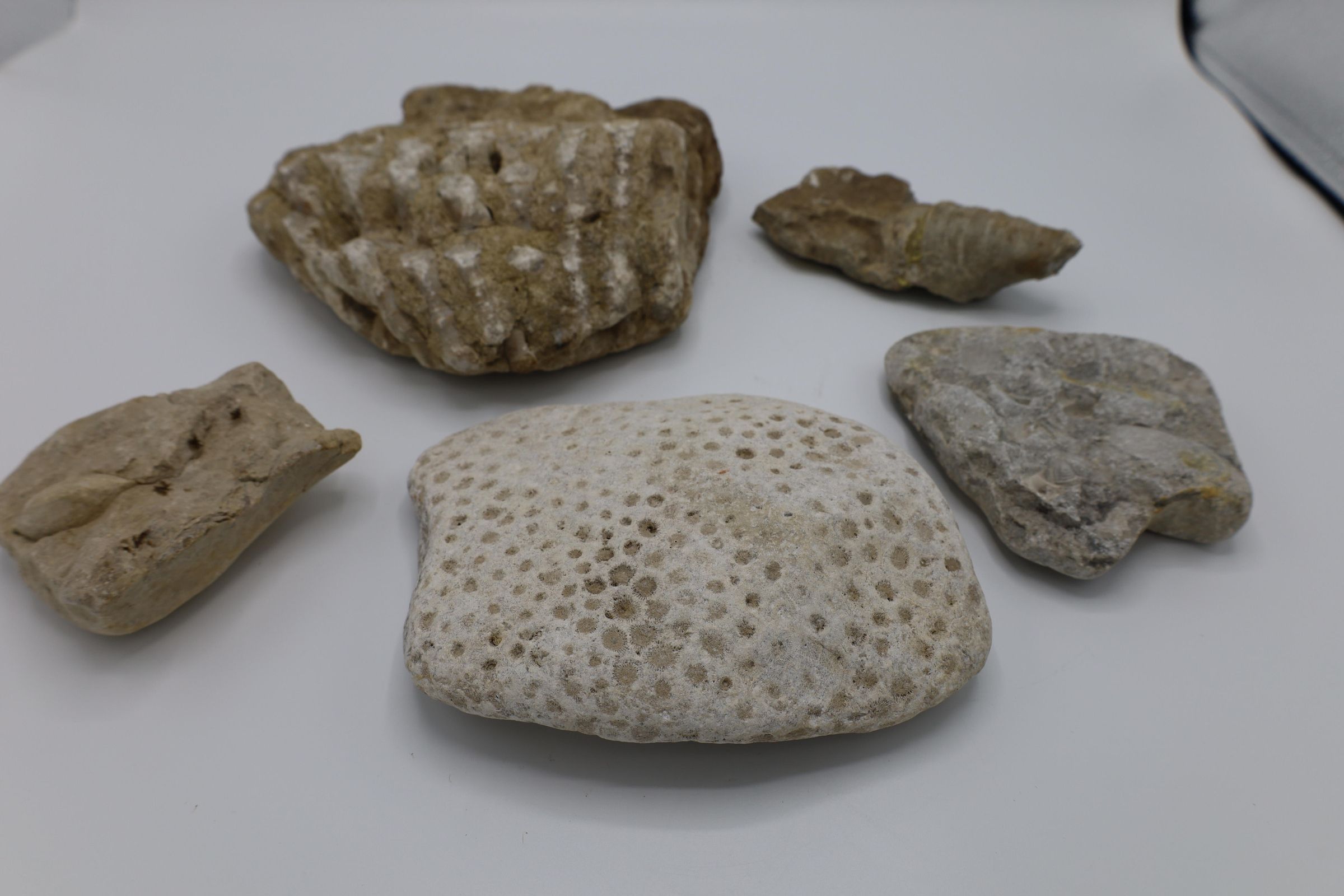
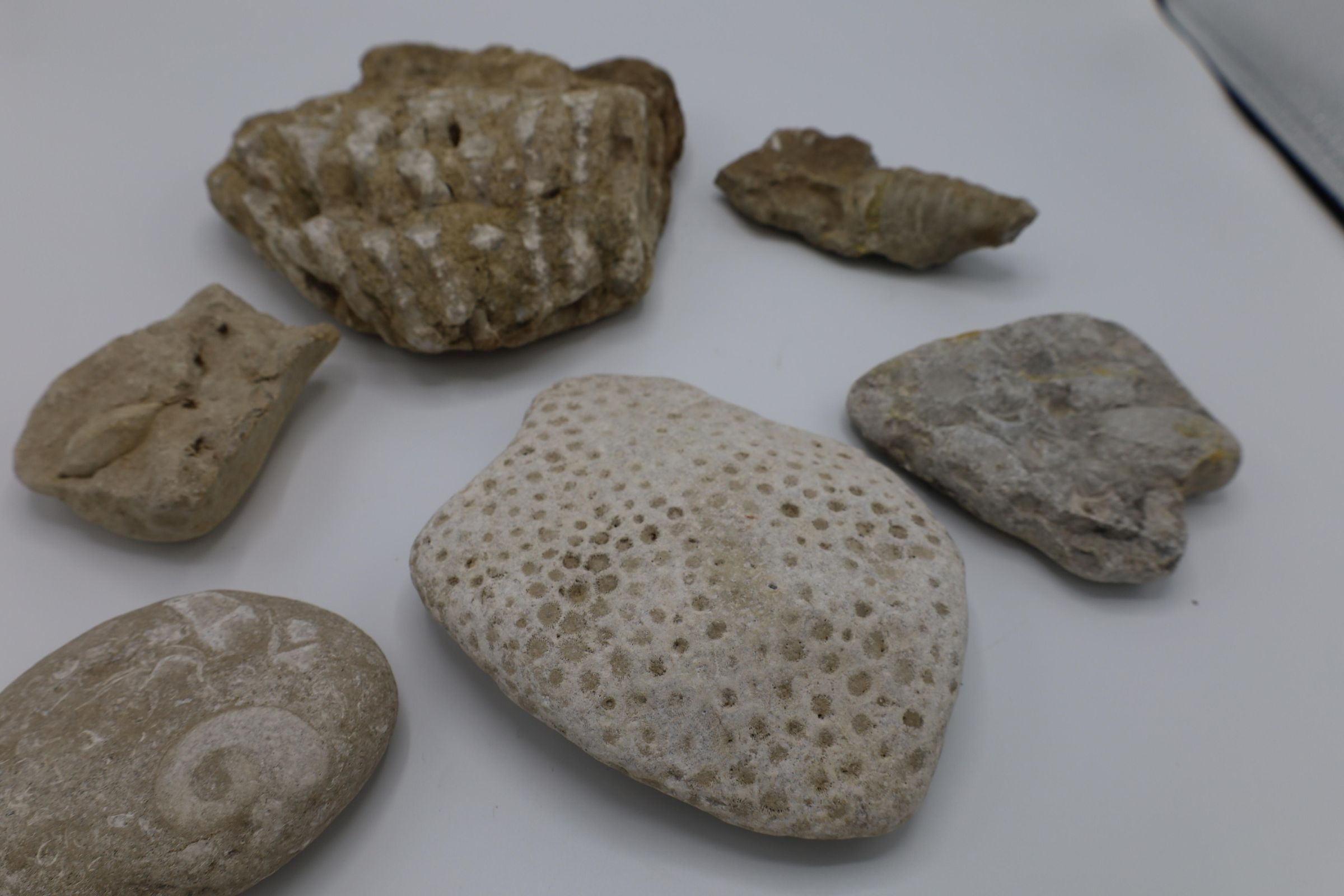
A Solitary Rugose "Horn" CoralEntry/Object ID
2022.2.27.5Description
This is a solitary rugose coral, one of the fossils of the Columbus Limestone originating from the Devonian Period, 360 – 419 million years ago.
According to, Statehouse Fossils: A guide to fossils of the Ohio Capitol, rugose corals were either solitary, having a single large coral polyp, or colonial, with multiple polyps sharing a common skeletal framework. Solitary rugose corals are colloquially called “horn” corals because their calcareous skeletons were shaped like a cow’s horn. Now extinct, they lived from the Middle Ordovician Period to late in the Permian Period.
Horn corals ranged in size from a few millimeters to nearly one meter (3.3 feet) long. With a length up to 75 centimeters (30 inches), Siphonophrentis gigantea from the Columbus Limestone is the largest horn coral known from Ohio.
Rugose corals (Latin rugosus, “wrinkled”) derive their name from the appearance of their external skeletal walls. The wrinkles represent growth intervals, and paleontologists have determined that they record daily, lunar monthly, and annual growth. By counting growth lines on corals, Professor John W. Wells of Cornell University inferred that during the Devonian Period, there were approximately 400 Earth days per year, and consequently, each day was a few hours shorter. His observations from fossils corroborated theoretical calculations by physicists of the rate at which the axial rotation of Earth has slowed over time owing to tidal friction from the Moon.
Statehouse Fossils-A guide to fossils of the Ohio Capital. Mark E Peter. ODNR Division of Geological Survey. Page 25.Location
* Untyped Location
Kelley's Island State Park