Gossen Sixtus Exposure Meter
Overview
Tags
IconicDescription
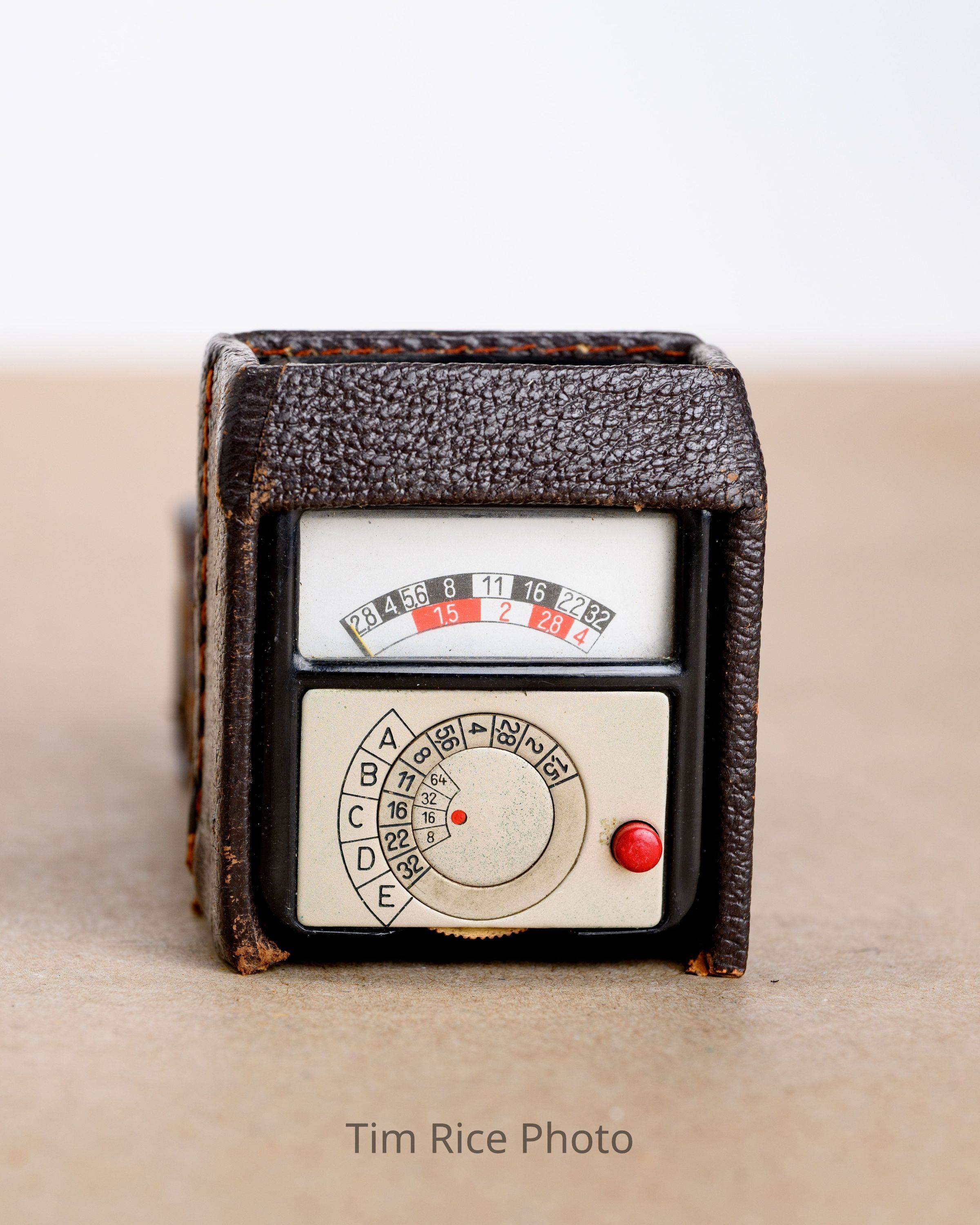
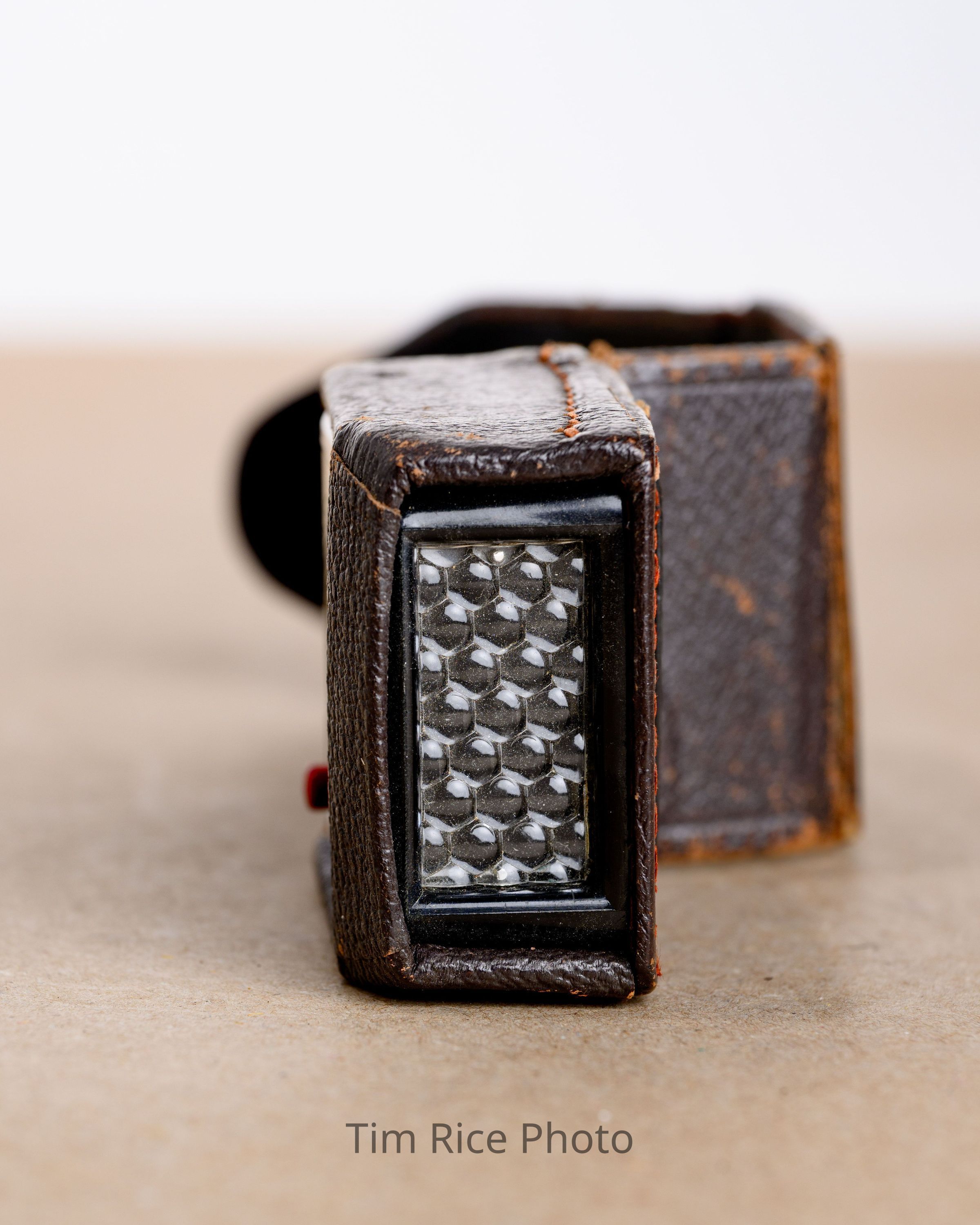
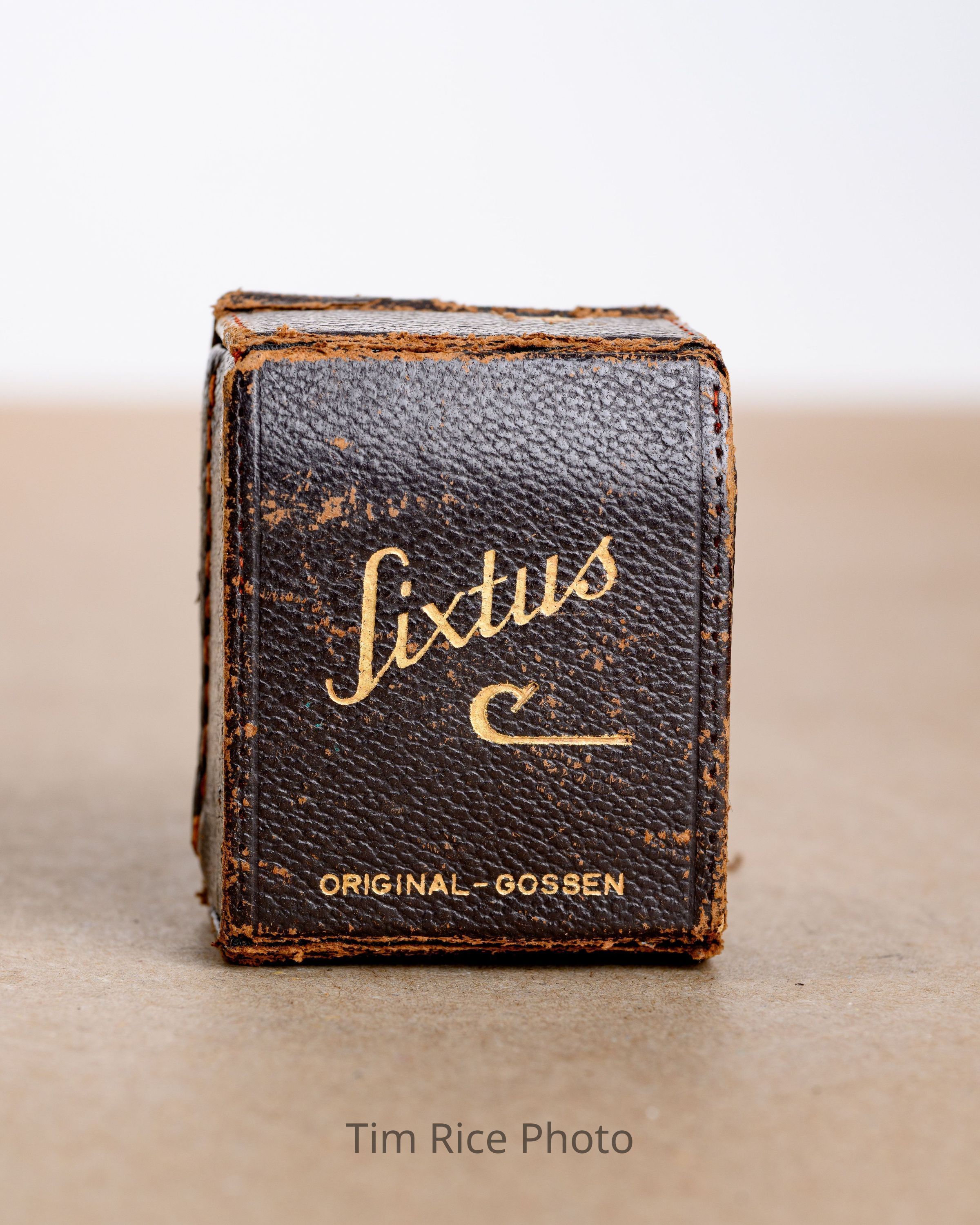
The Gossen Sixtus is a vintage handheld exposure meter that utilizes a honeycomb-patterned selenium photocell to convert light energy directly into an electrical current, moving a physical needle across a calibrated scale. Unlike modern meters, the Sixtus is entirely self-powered, requiring no batteries to function. To operate the device, the photographer points the sensor toward the subject and then rotates the mechanical calculator dial on the front to align with the needle's position; this cross-references the light intensity with the film's sensitivity to provide a range of aperture and shutter speed combinations. This specific unit is preserved in its original stitched leather ever-ready case, highlighting the precision instrumentation standards of mid-century German engineering. While historically significant as an essential tool for manual-camera photographers, most surviving selenium cells have since exhausted their chemical reactive properties, rendering this unit primarily a historical record of analog light measurement technology.Category
Accessories, light meter