Biography
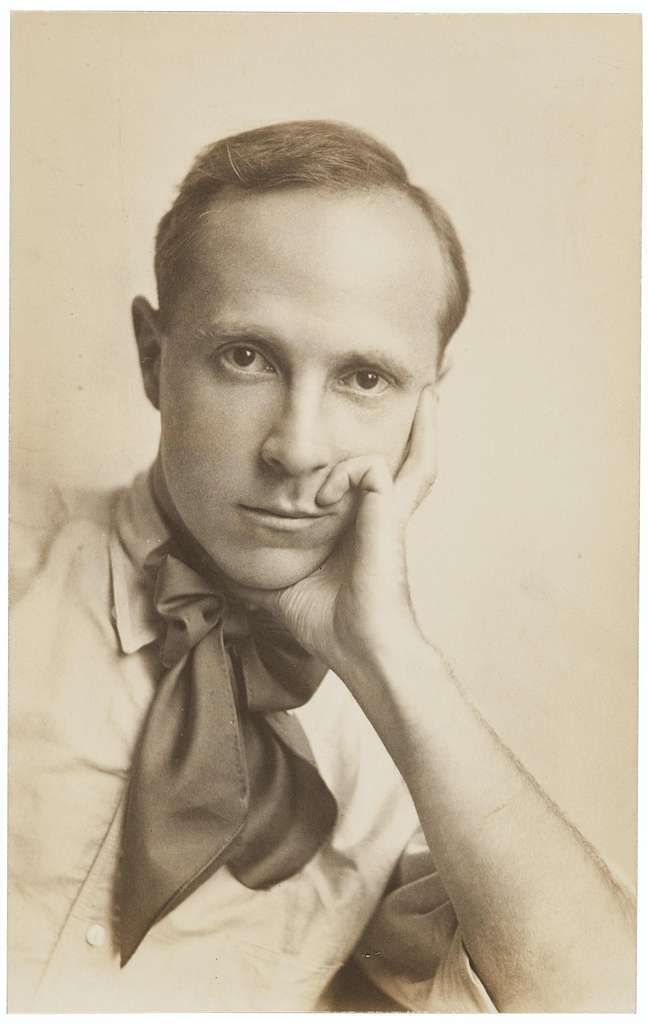
Edward Weston, an American photographer was born in Highland Park, Illinois. Weston began to make photographs in Chicago parks in 1902, and his works were first exhibited in 1903 at the Art Institute of Chicago. Three years later he moved to California and opened a portrait studio in a Los Angeles suburb. The Western landscape soon became his principal subject matter. In the 1930s, Weston and several other photographers, including Ansel Adams, Imogen Cunningham, and Willard van Dyke, formed the f/64 group, which greatly influenced the aesthetics of American photography. In 1937, Weston received the first Guggenheim Fellowship awarded to a photographer, which freed him from earning a living as a portraitist. The works for which he is famous–sharp, stark, brilliantly printed images of sand dunes, nudes, vegetables, rock formations, trees, cacti, shells, water, and human faces are among the finest of 20th-century photographs; their influence on modern art remains inestimable.
Edward Weston was one of the true regenerative artists: an awakener of the eye and the evolving mind it serves. Regeneration was a quality that Weston brought to photography for more than three decades, defining both the limits and the generosities of his medium. Point Lobos was only one of his subjects, though he returned to it again and again, and took his last photograph there. His career spanned crucial years in American photography, and a restless pursuit of his art created a body of work that ranged over nudes, still lifes, industrial scenes, portraiture, landscapes, and any other subject that touched his visual imagination." Aperture: Masters of Photography: Number 7, Edward Weston, 1988