Name/Title
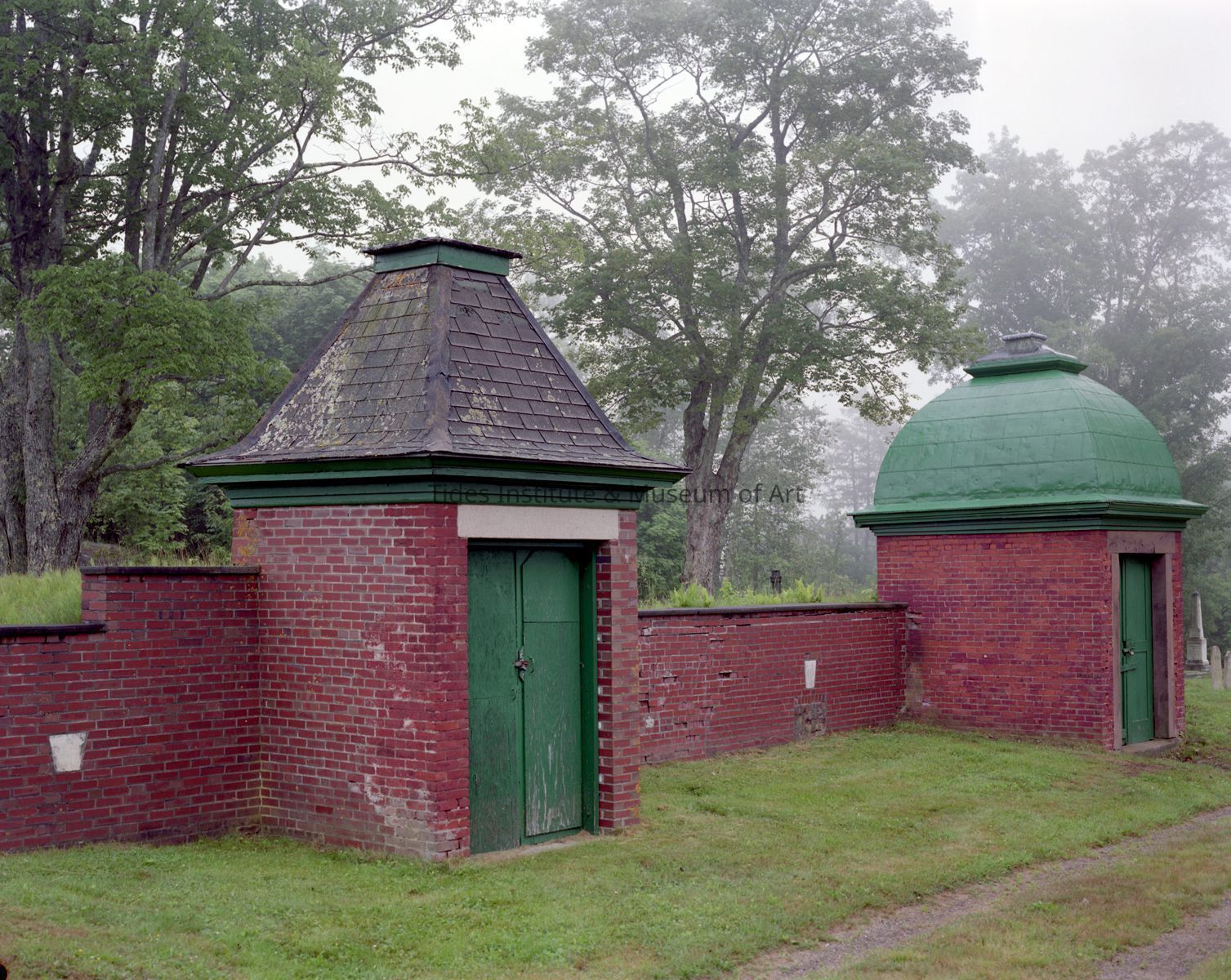
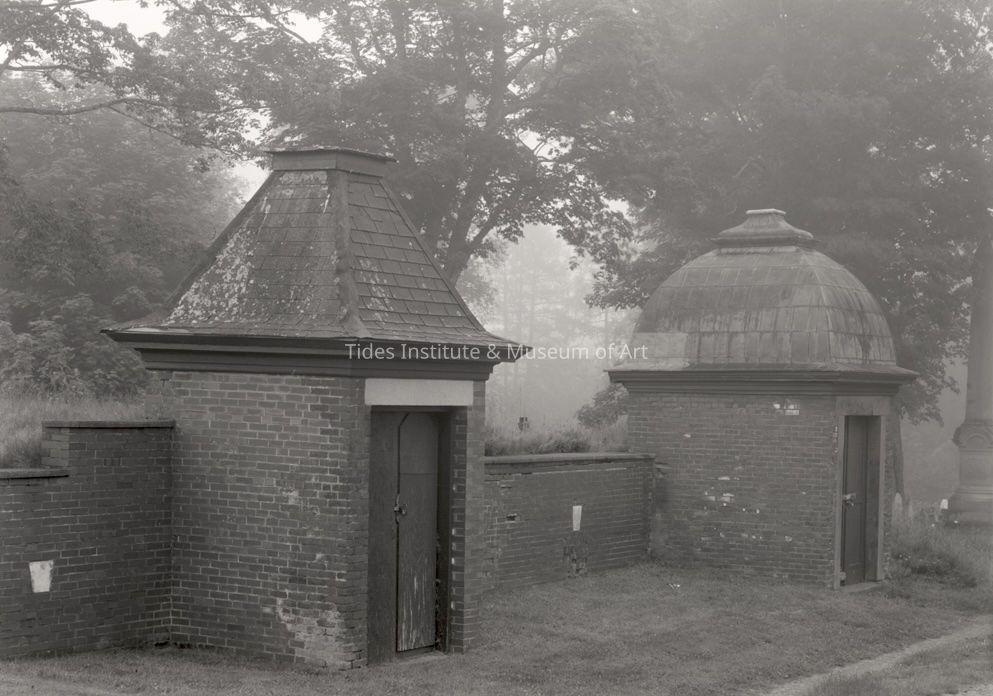
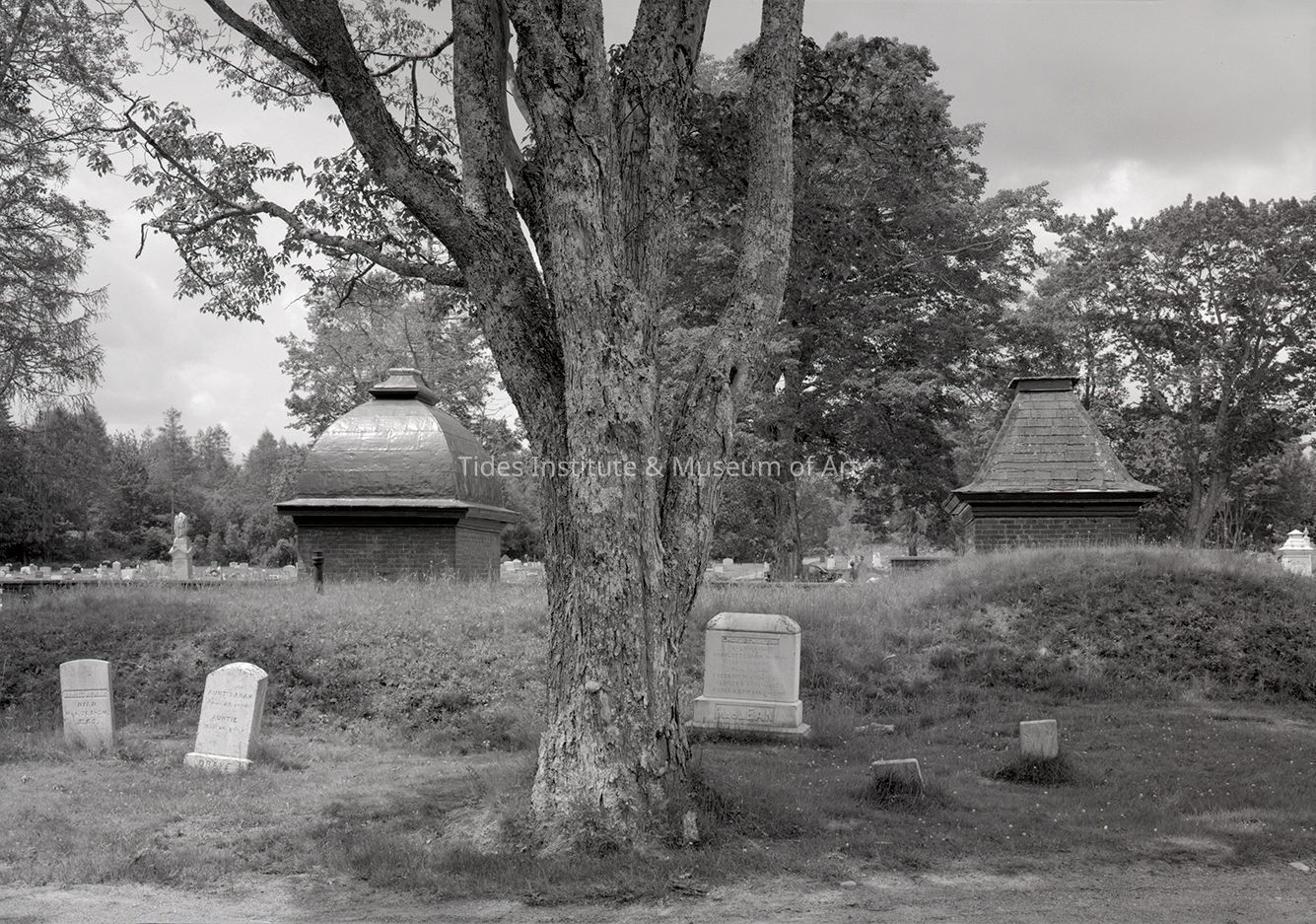
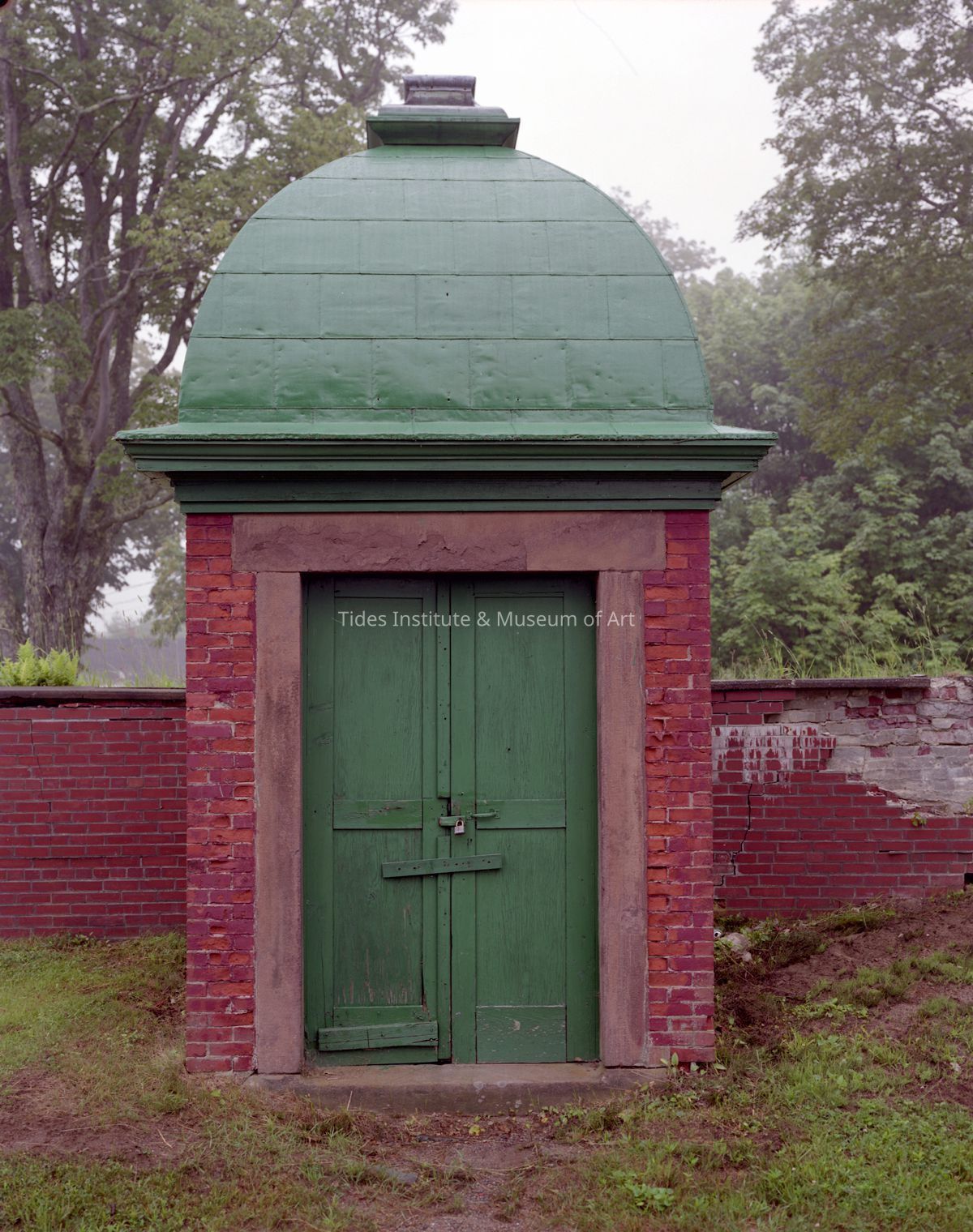
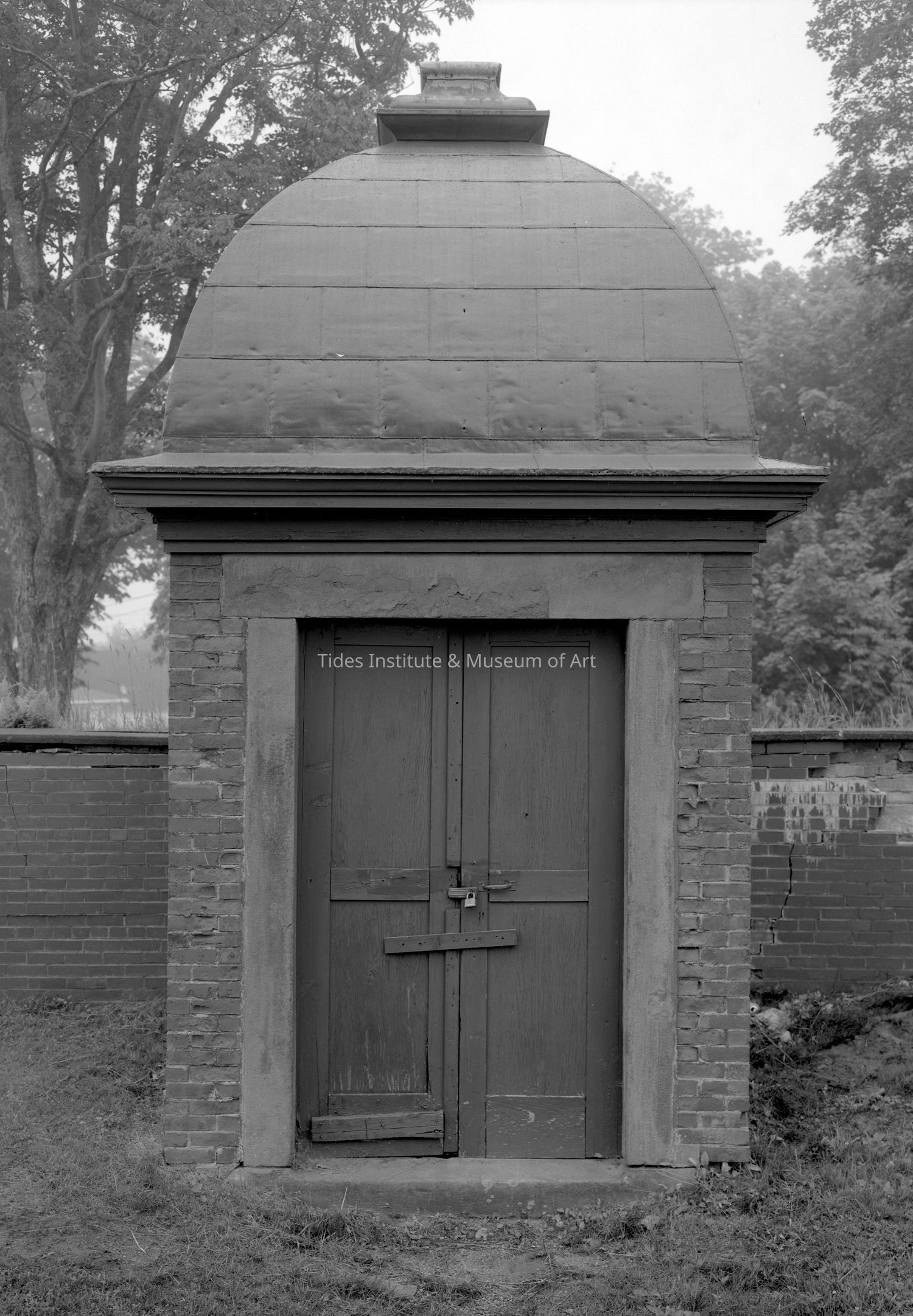
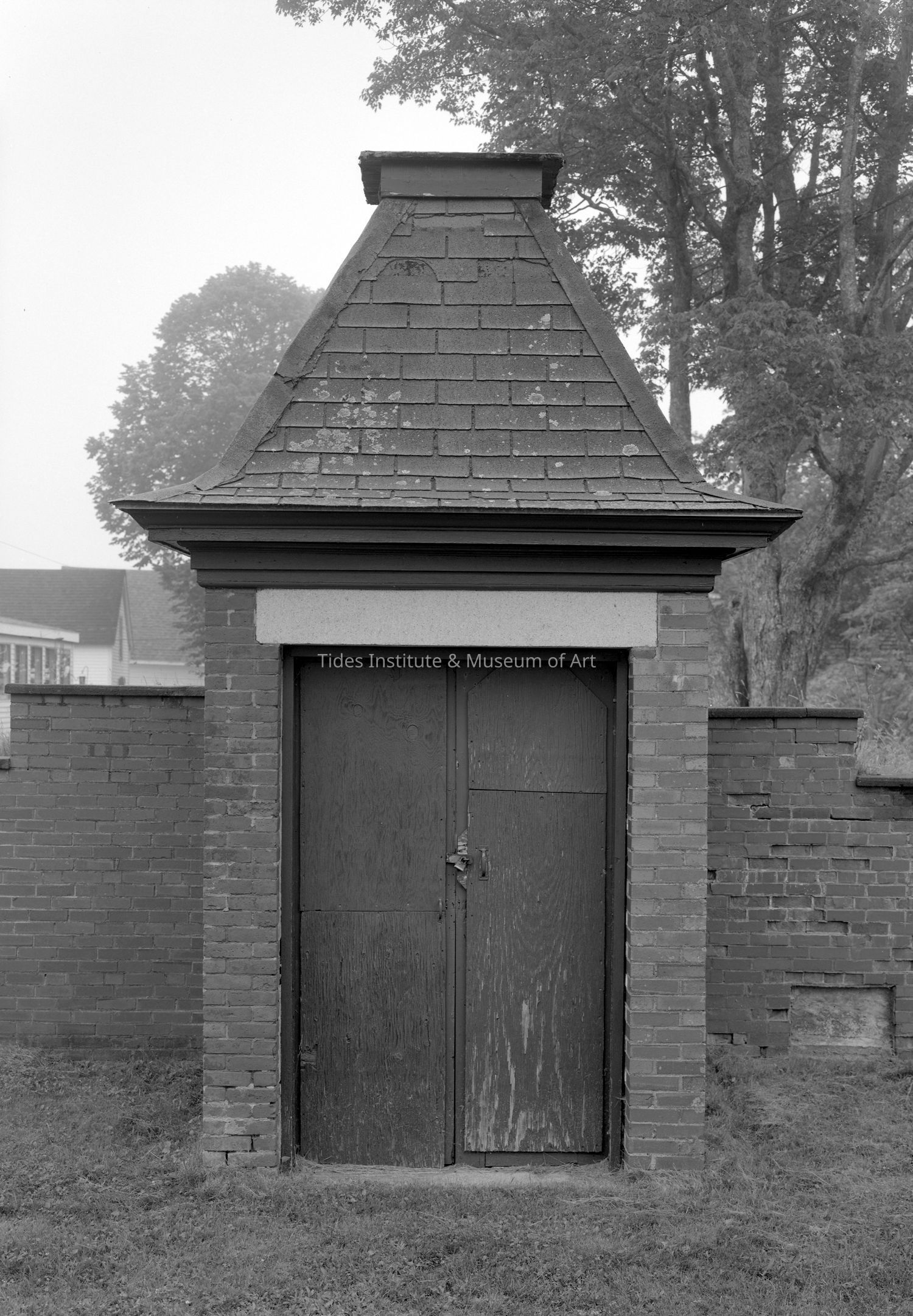
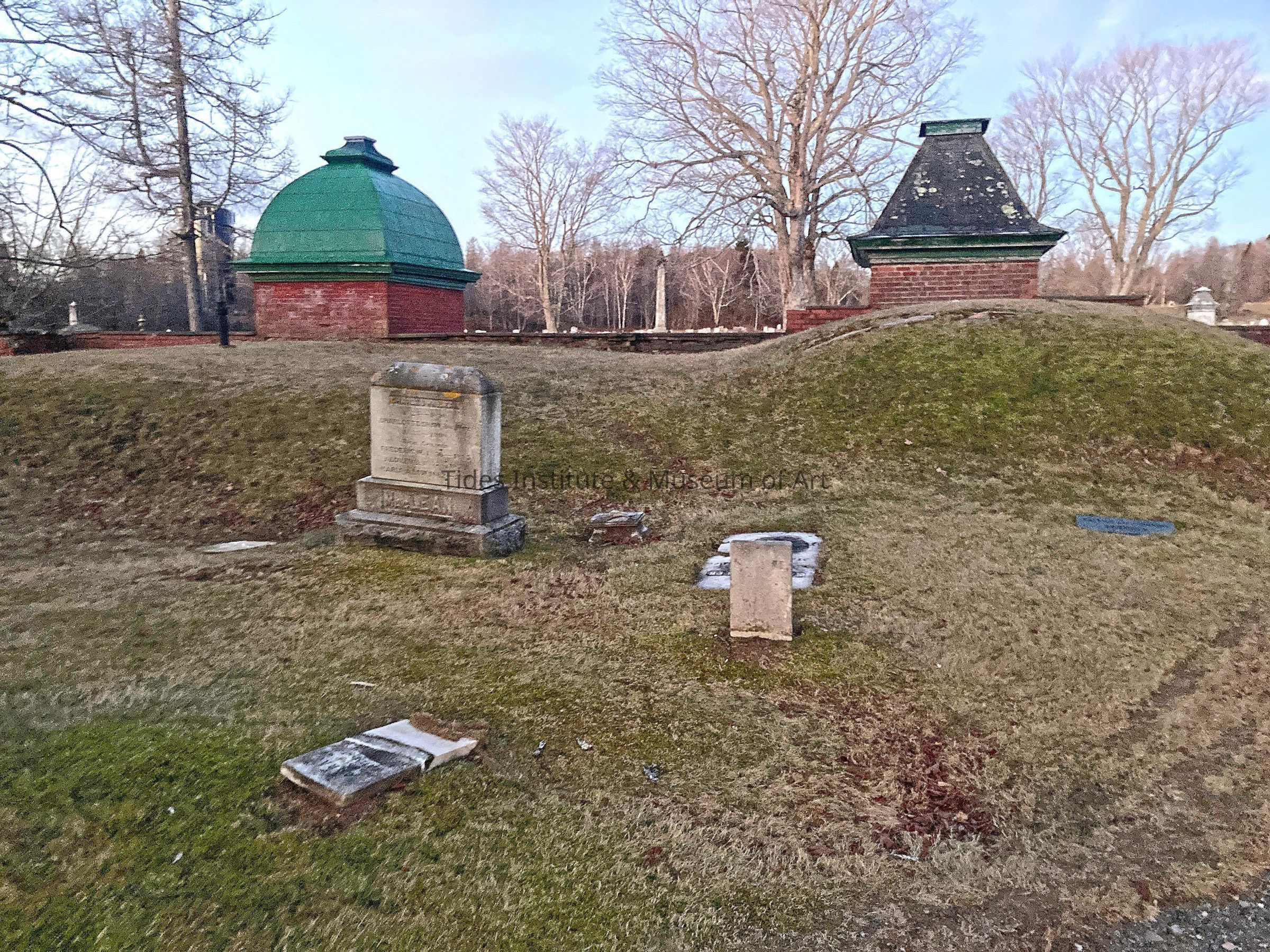
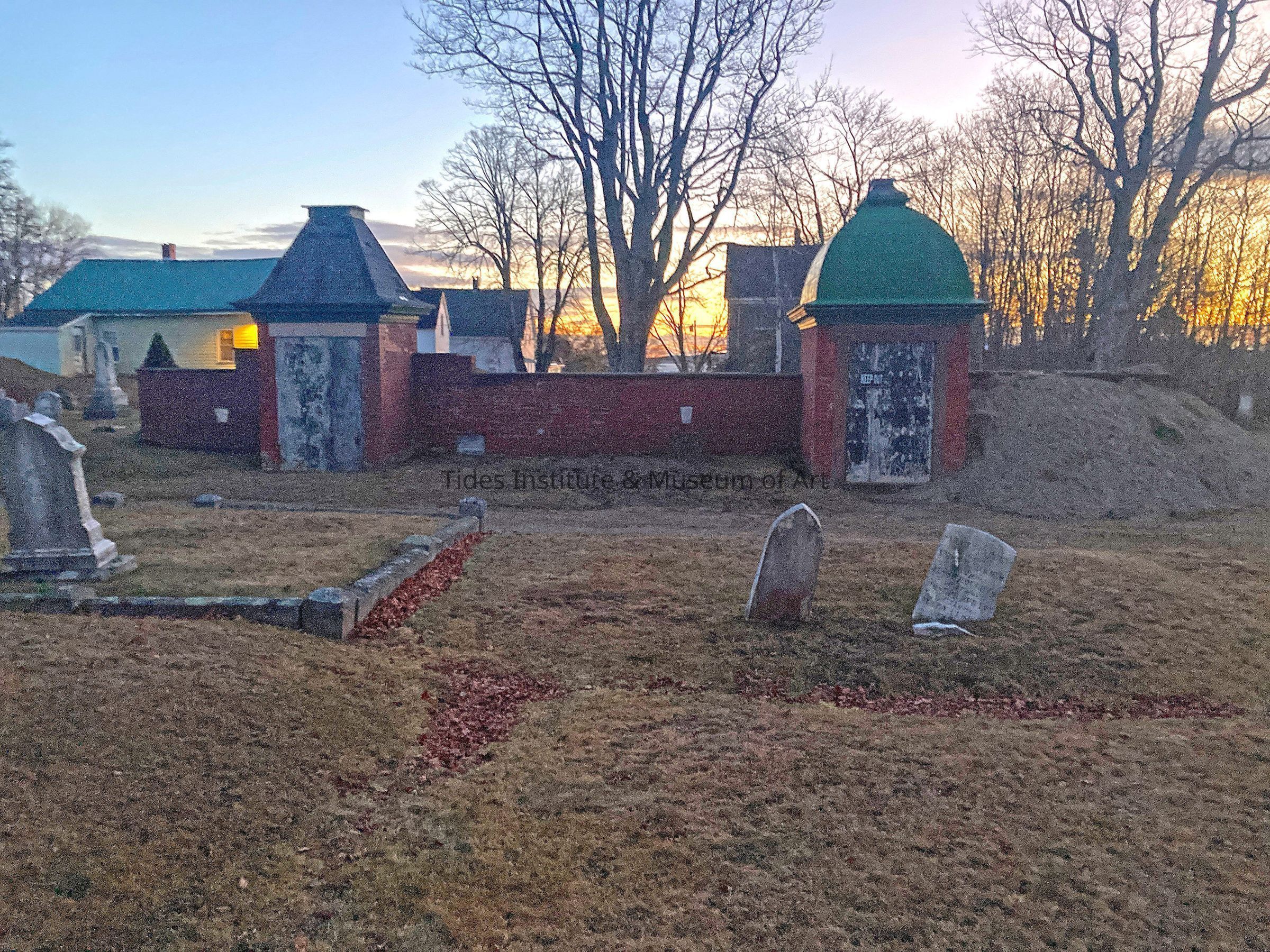
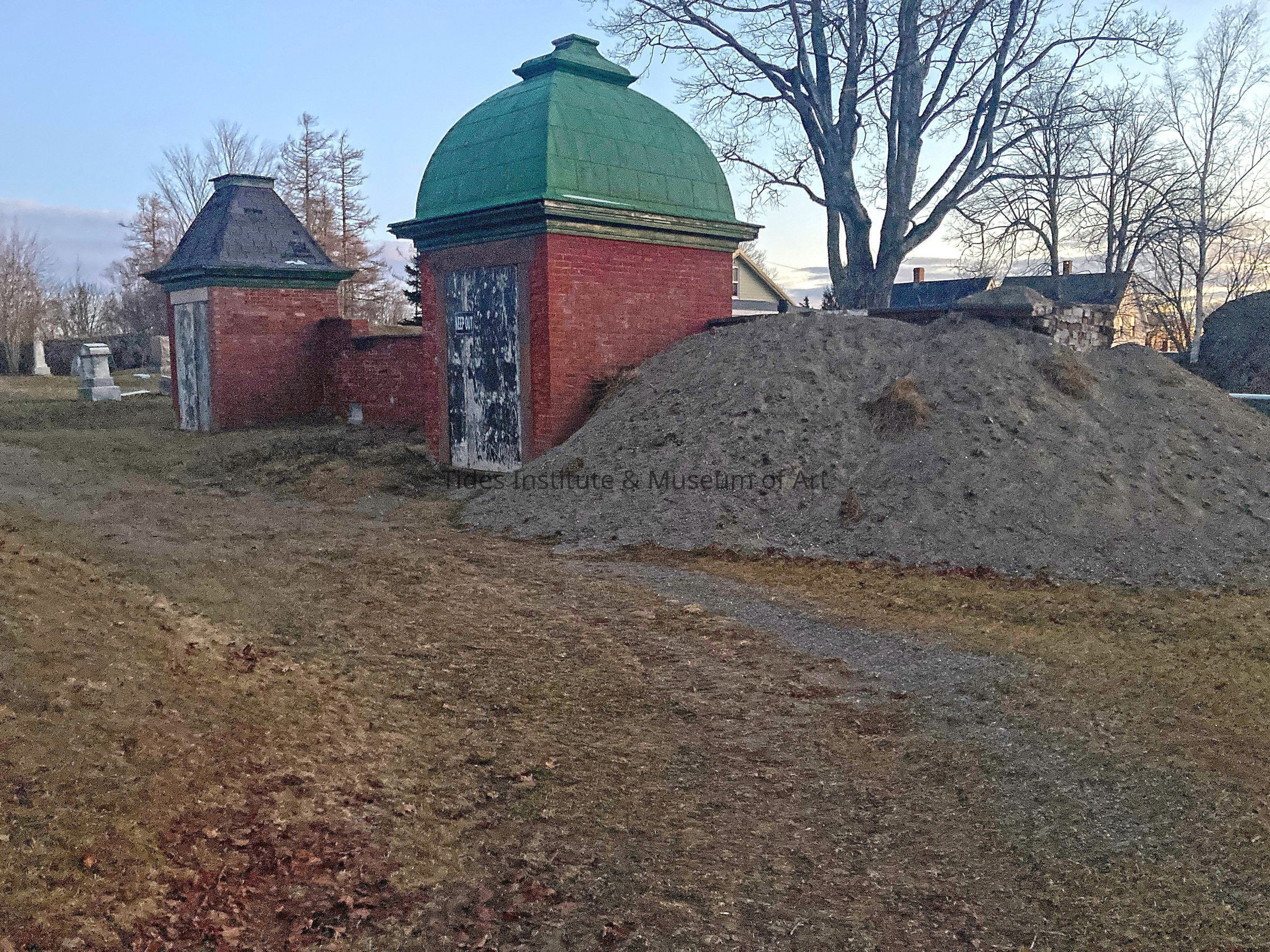
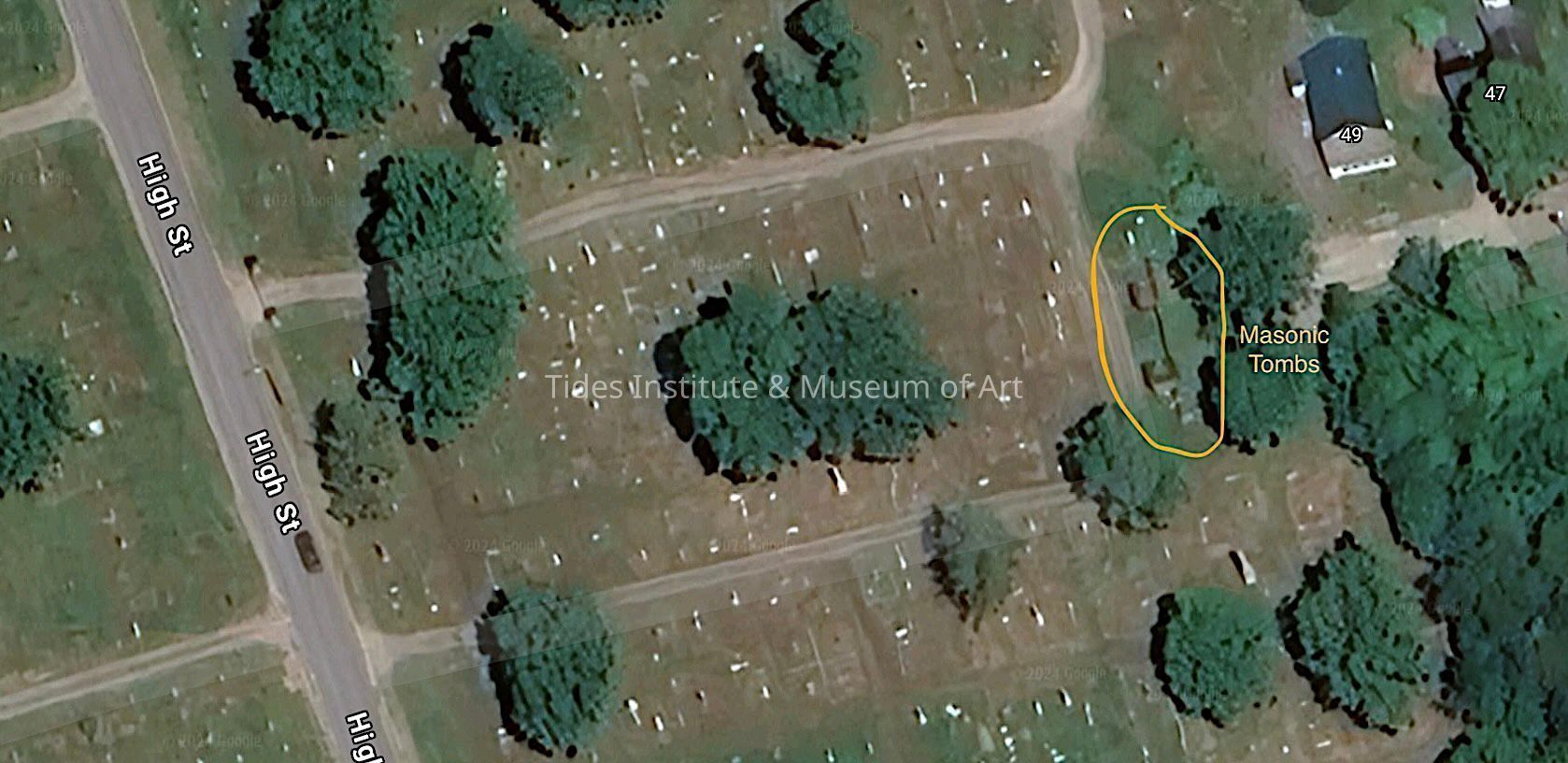
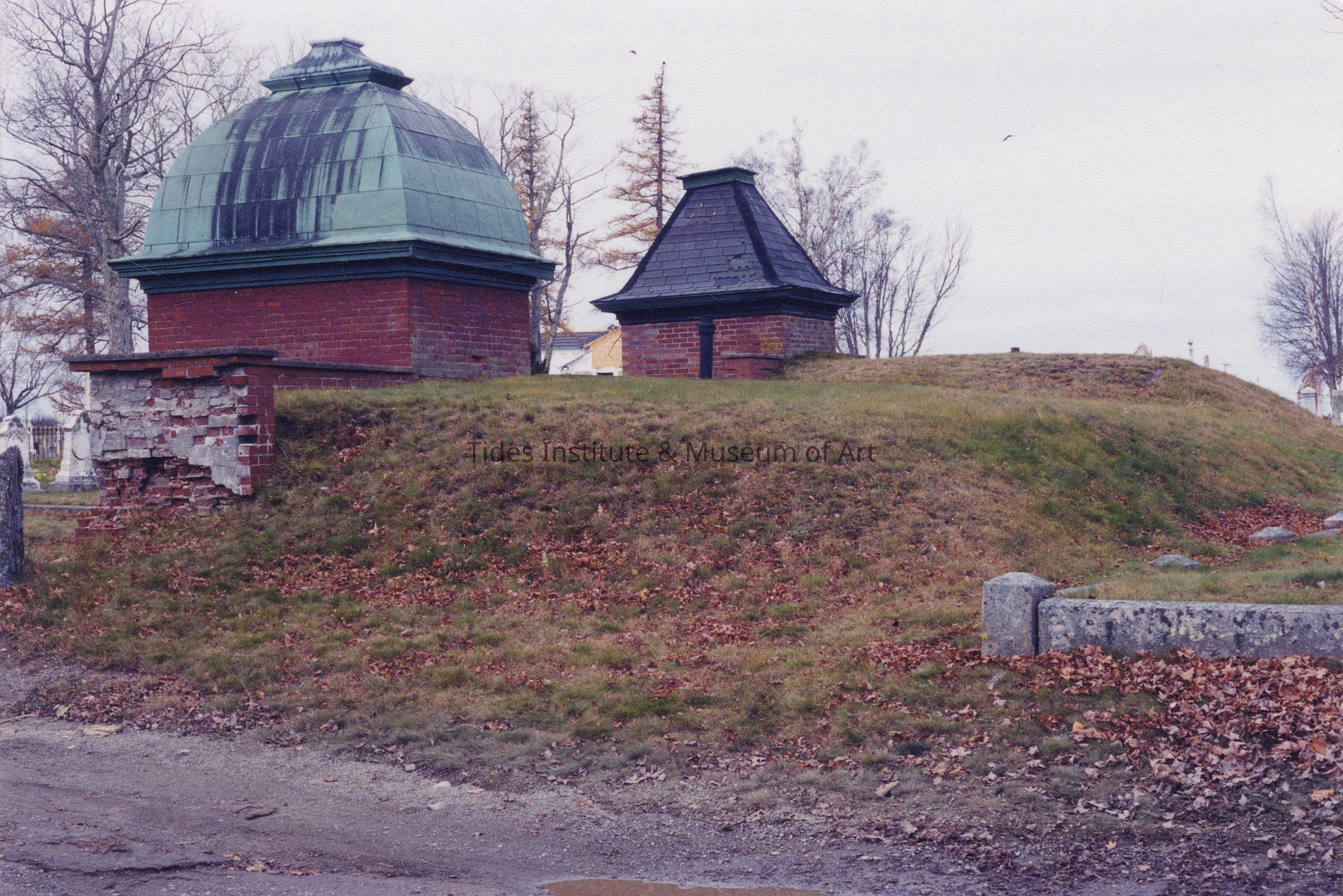
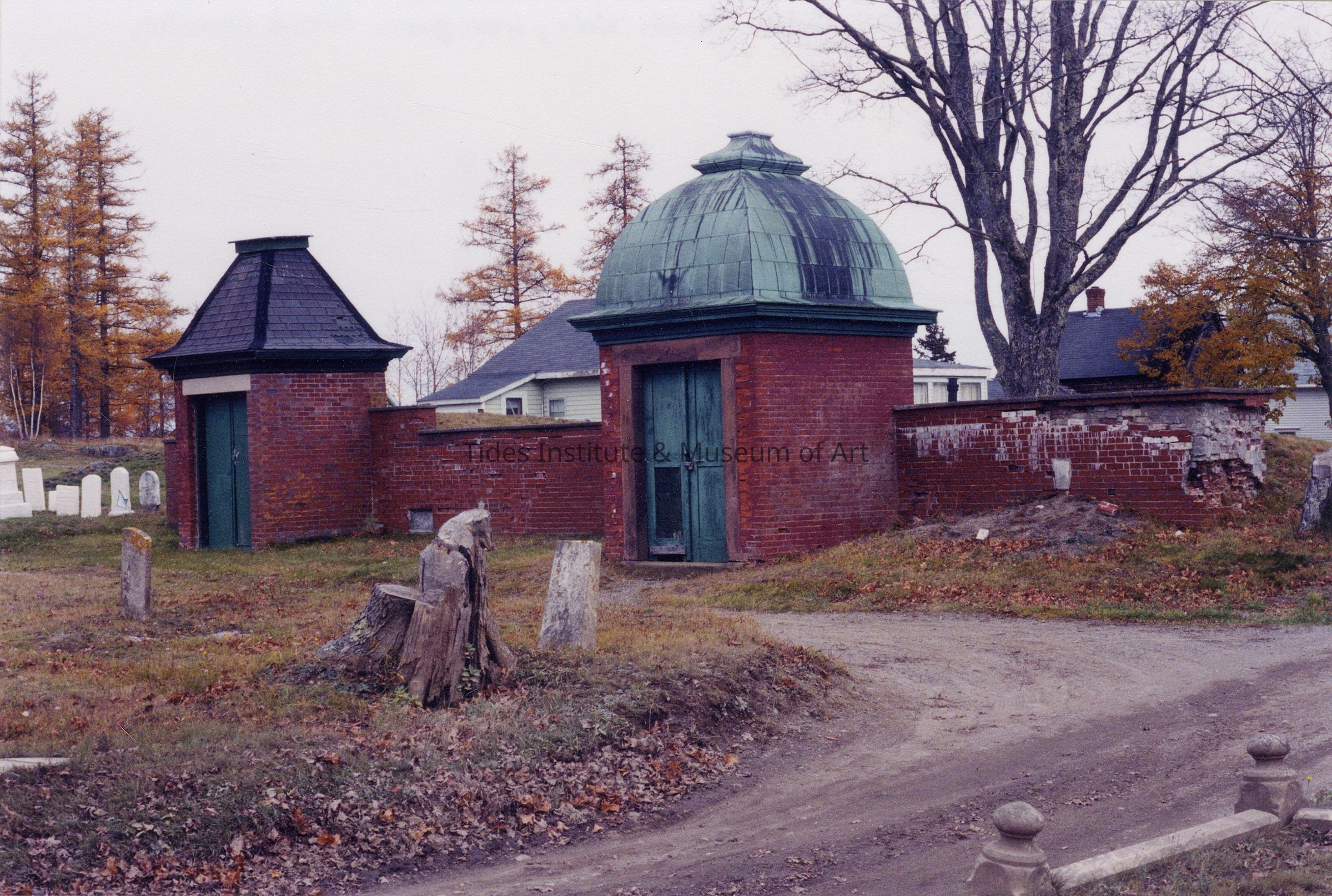
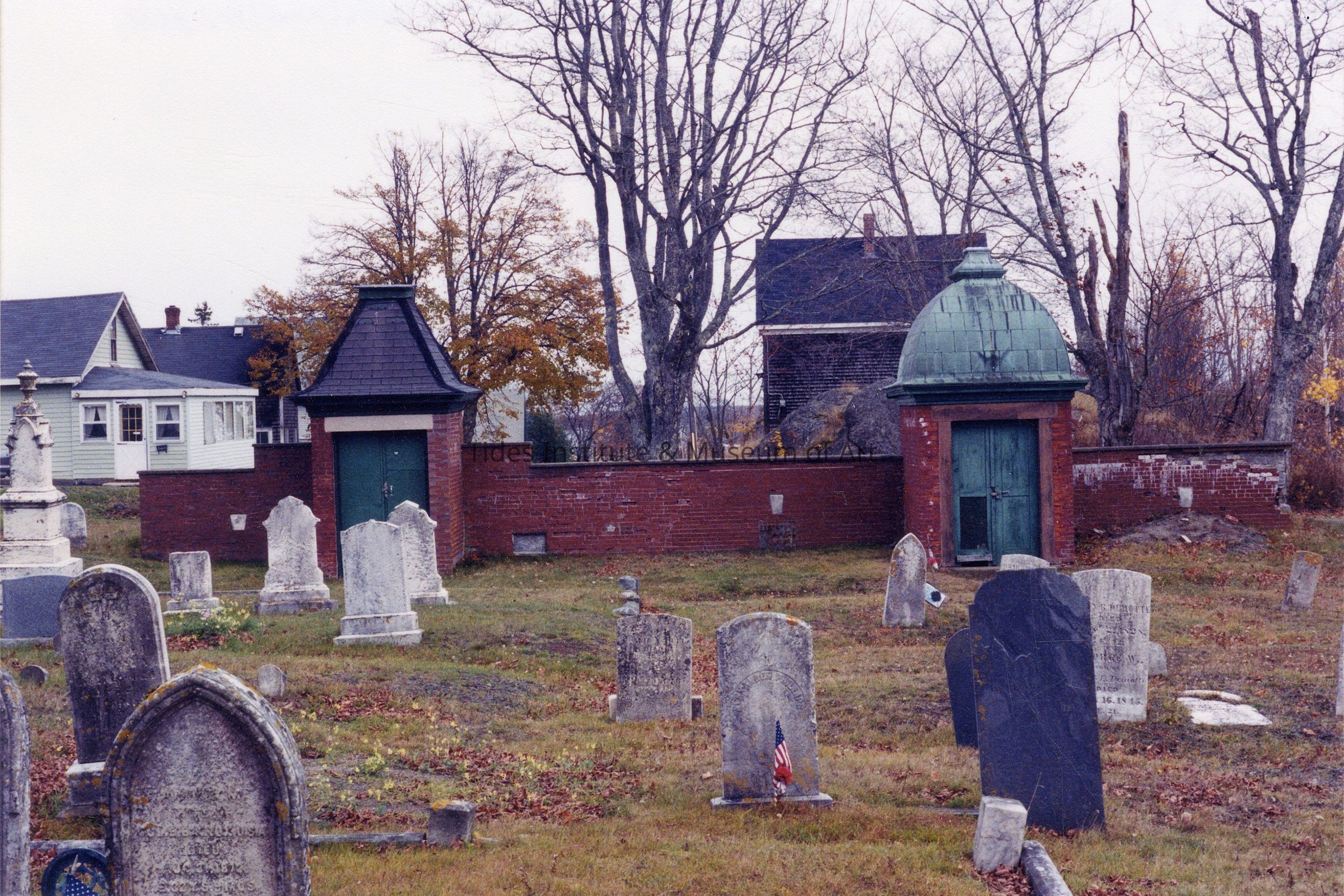
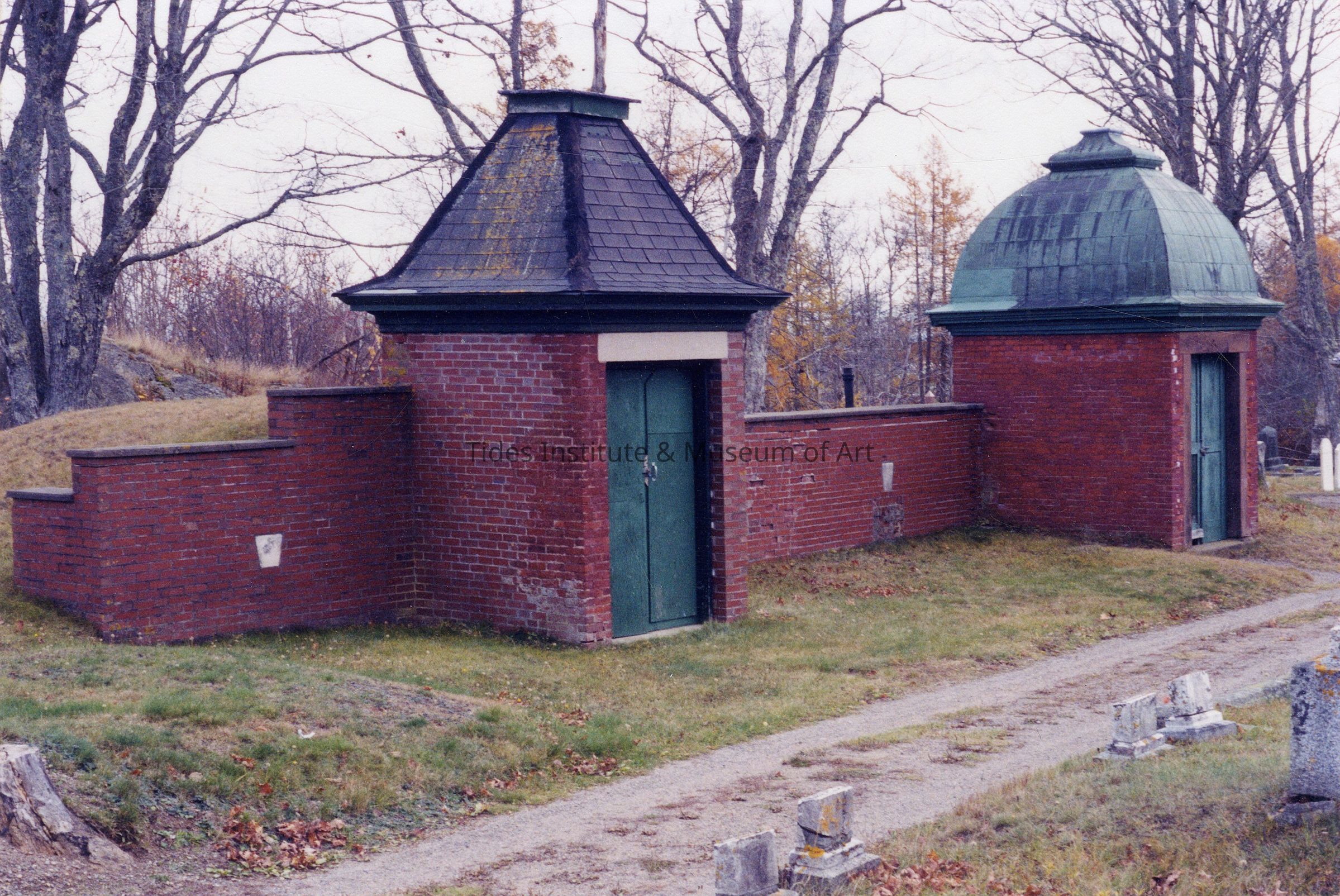
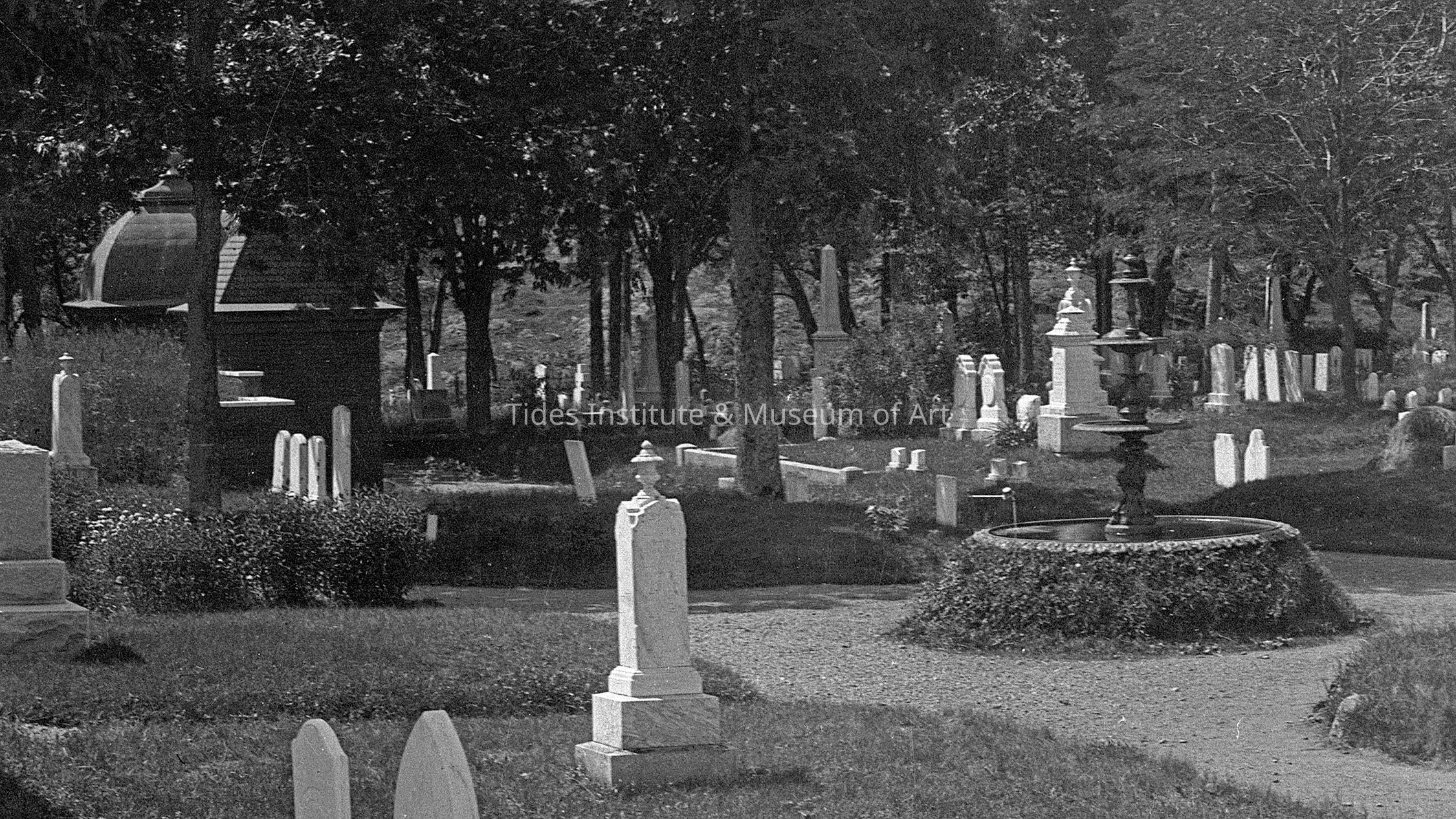
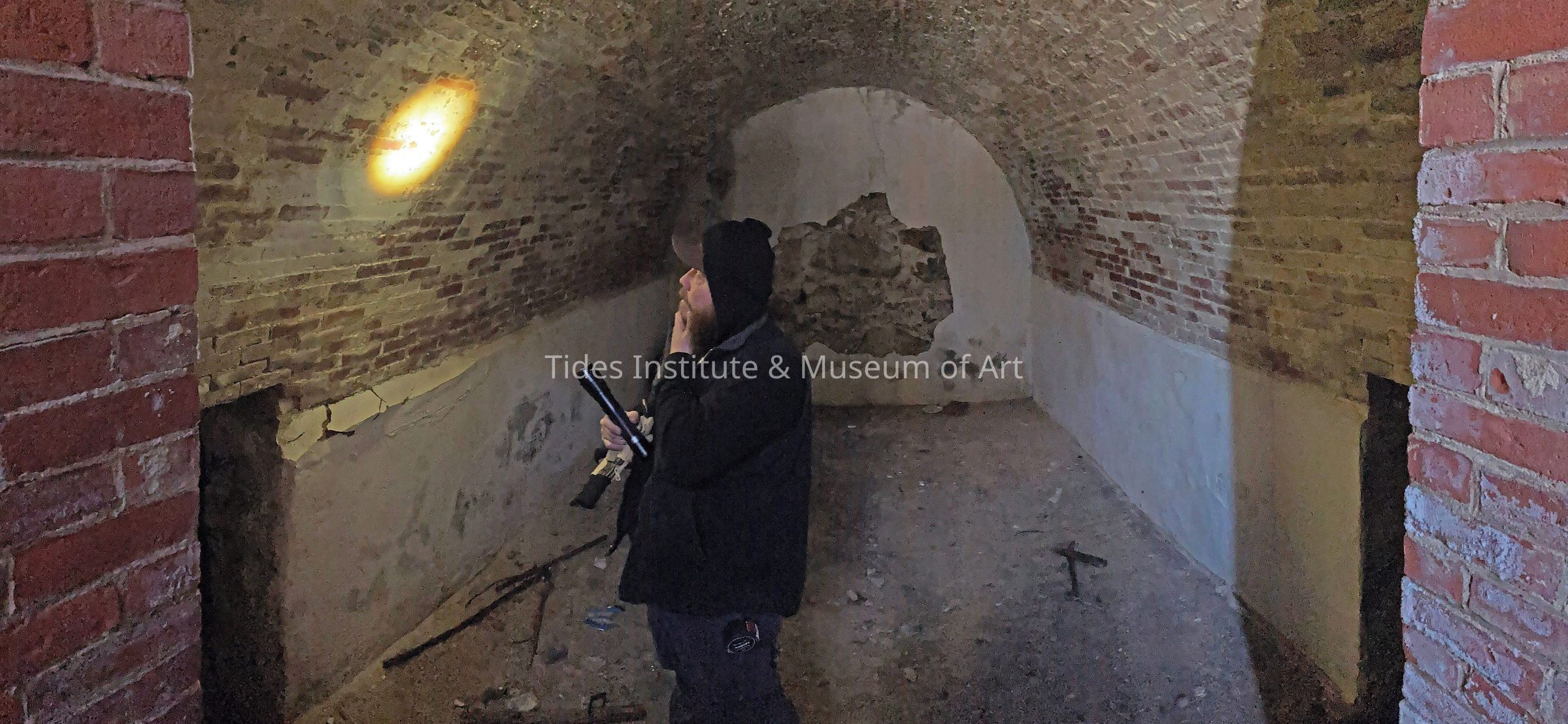
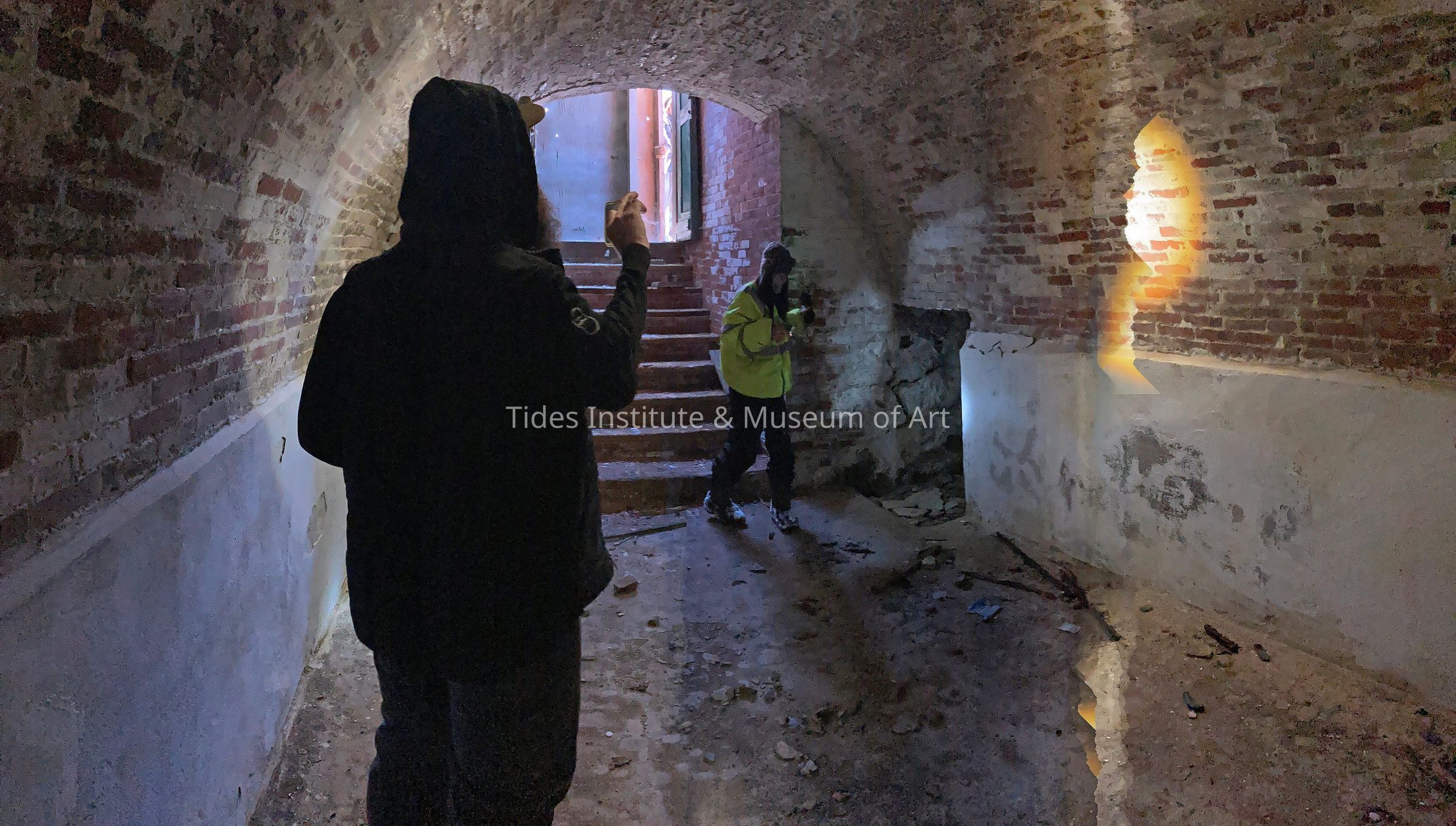
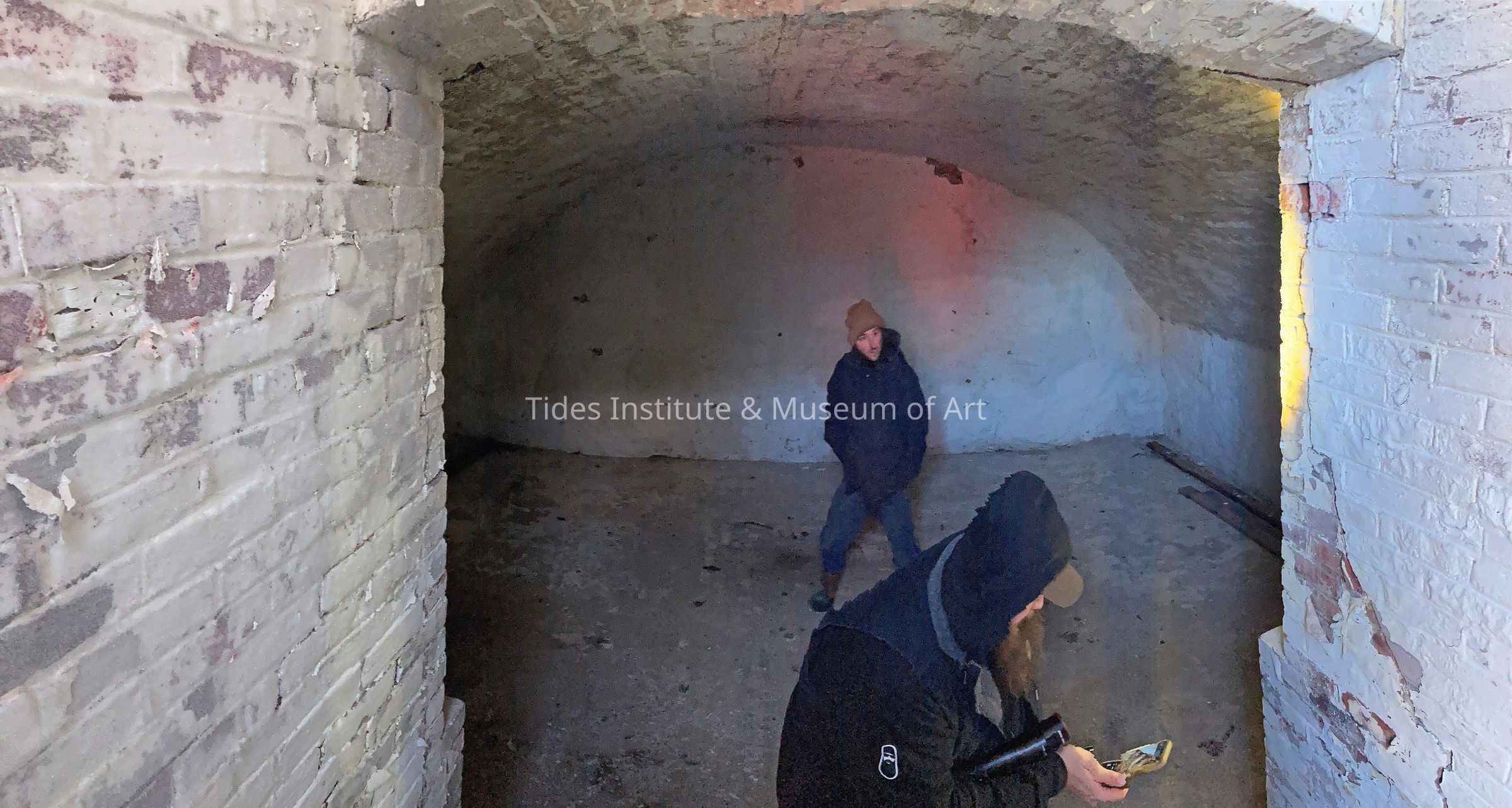
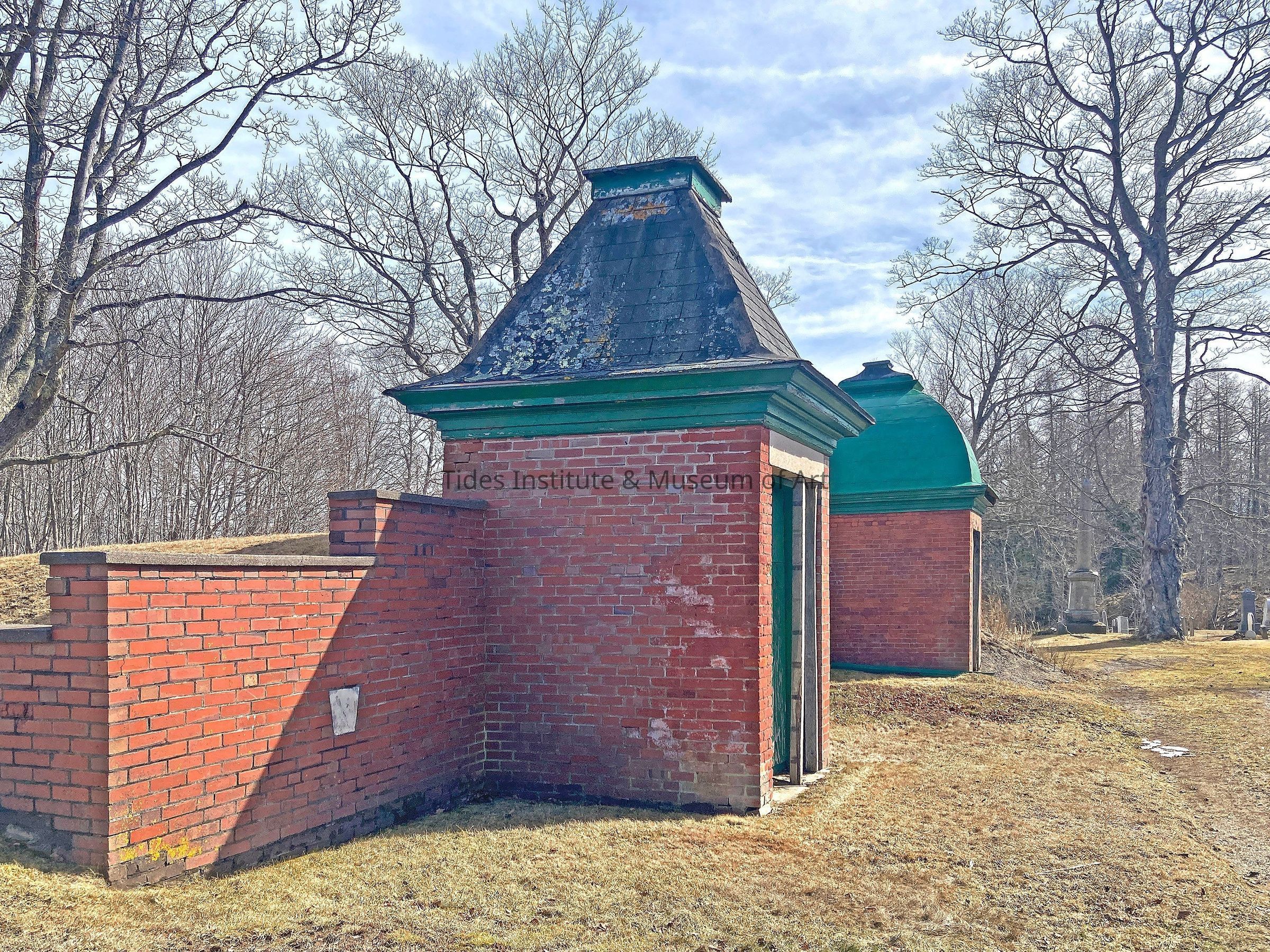
Masonic Tomb and Shackford, Kilby and Hayden Tomb | Hillside Cemetery, Eastport, Maine | 1828Description
• From Eastport Sentinel, May 7, 1890, p.3, c.3: “The body of Col. E.B. Knox whose death took place a short time since in Chicago, was brought here on Tuesday’s Boston s|eamer for burial in the family lot in the Old Cemetery. A delegition from St. Bernard Commandery, K.T., took charge of the remains upon arrival here, and conveyed the body to Masonic Temple where it remained until ten o’clock this morning, when under escort of the Sir Knights of St. Bernard Commandery, accompanied by a large number of citizens, it was deposited in the Masonic tomb at the Cemetery.”
• From Eastport Walking Tour Brochure, 2010:
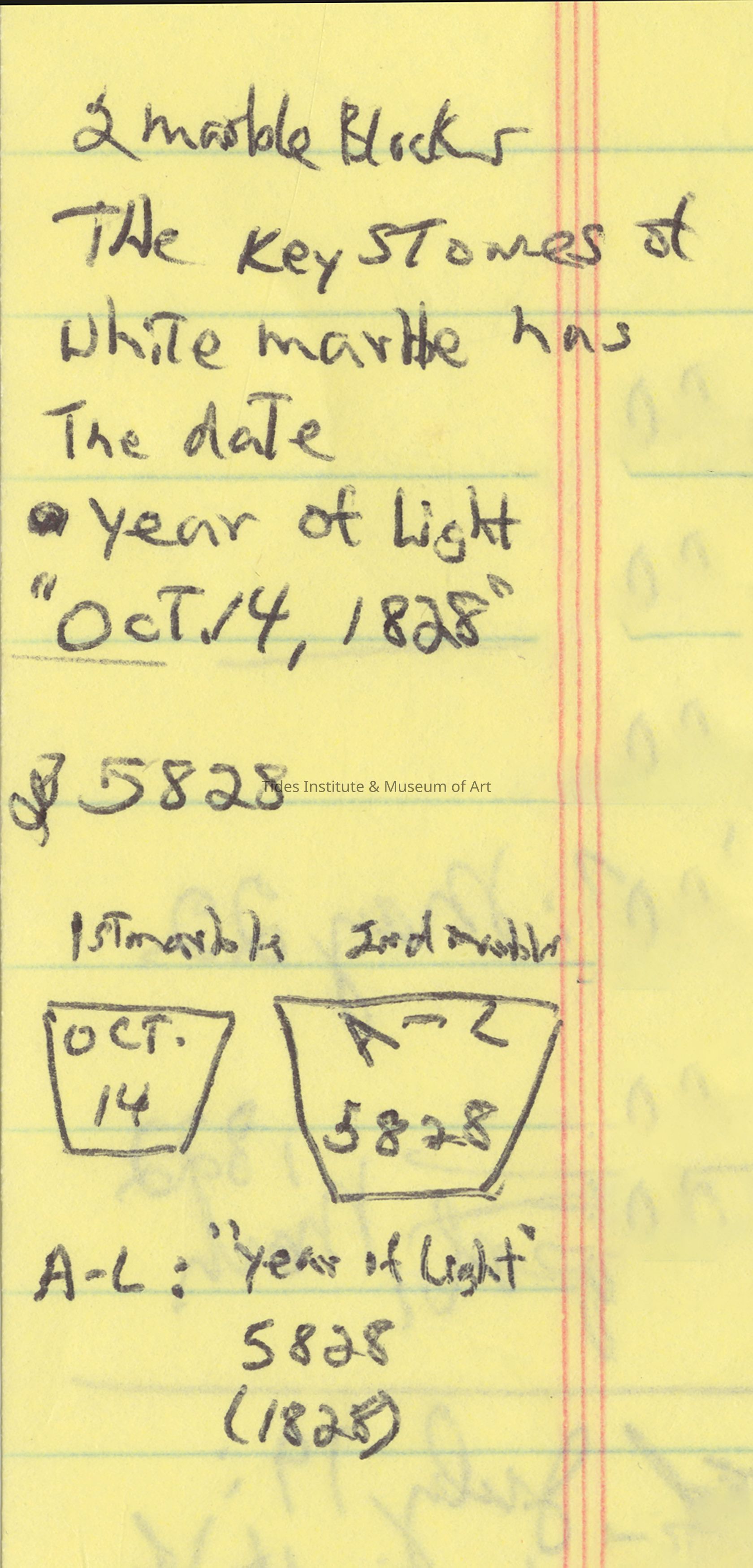
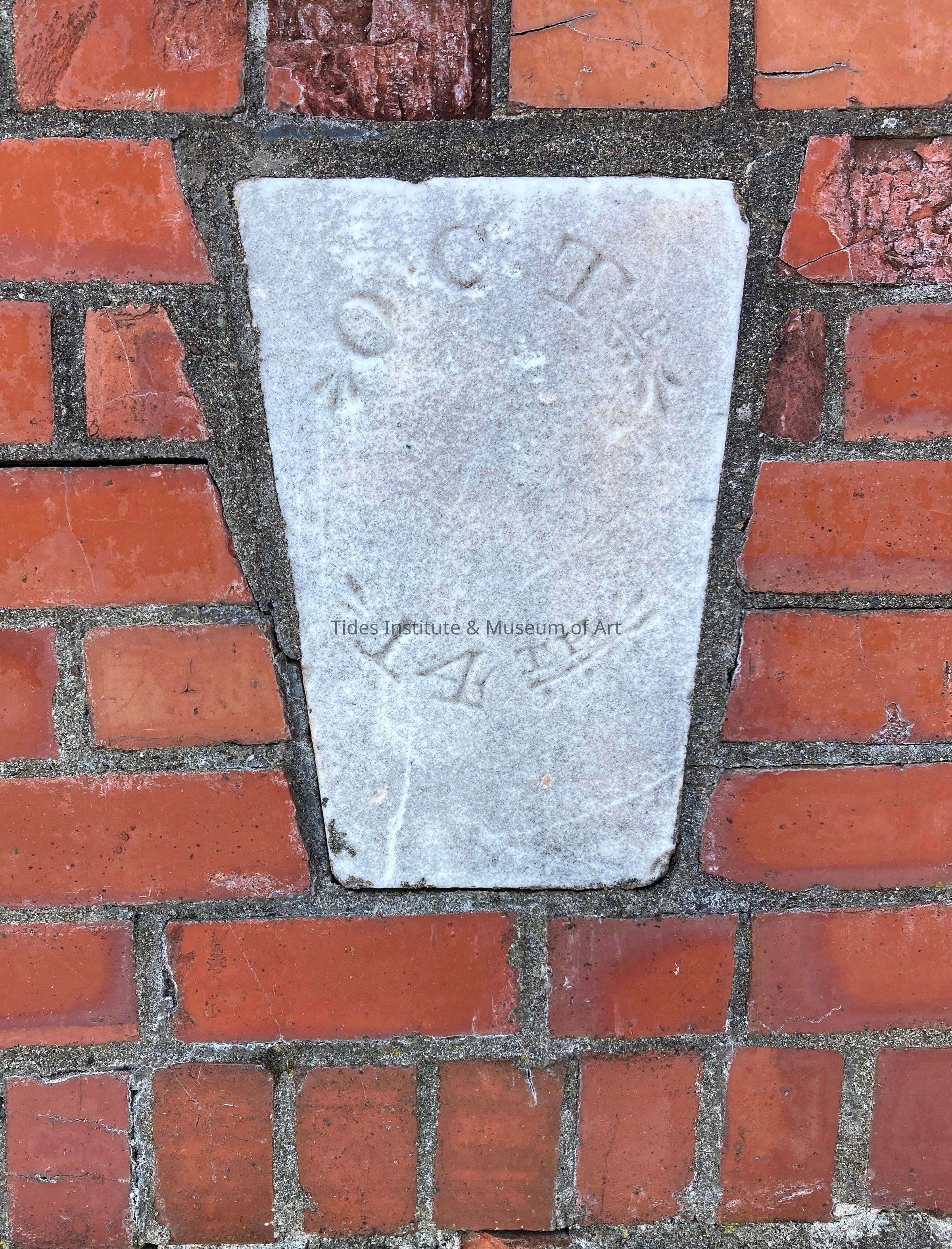
The Masonic Tomb Hillside Cemetery. October 14,1828 the Masonic Order had a mausoleum built large enough to house several hundred members and their families. It was intended to be the final resting place, or a holding place until family or friends had the bodies of their loved ones reinterred. Often reburial was many years later. The Masonic Tomb was turned over to the City of Eastport in the 1990s and no longer houses the remains of Masons.
• Eastport Sentinel, December 23, 1829, p.2:
MASONIC TOMB
Extract of a letter from a gentleman, who visited the town of Eastport, Maine, in the month of Sept. 1829, to his friend at the Westward,
Dear Sir,
Having occasion to spend a few days at this place, [Eastport,] I availed myself of what opportunity I had to become acquainted as well as I could with the people, their customs, their public and social institutions, &c. The number and appearance of the school houses, denote that the education of the young is not neglected. The several churches, five in number, indicate that the people have a deep interest in religious workship. Their public Library and News Room, are very useful establishments and do much credit to the liberality, good sense, and literary taste of the citizens.
At the suggestion of a friend , I went to see their Burial Ground. It was in a retired, but suitable and convenient place, well enclosed and kept. At the South East corner of which, I was showed a Tomb, which was built by the Masonic Fraternity in that town, and knowing you to belong to that order, I thought some account of it would be interesting to you. The Tomb presents to the West a broad front of brick, painted in imitation of stone work. Through a door in the centre, you pass into a spacious entry room; from this, other doors open to the several vaults, which are capable of containing about four hundred coffins. Some twenty or thirty bodies, I was told, had already been deposited there. On the top of which an obelisk is to be erected, it is begun, but not yet completed. The object of this Sepulchre Tomb, is to afford a convenient and deepest receptacle for the bodies of desecrated Masons, their families, and strangers of the order who may happen to die in the place, where burying may by this means be found by their enquiring friends, and removed, or not, at their pleasure.
This is the first and only one of the kind, that has come to my knowledge, built in the Unite States, for the express object. And certainly it reflects much honor on the liberality, generosity and affection of the Masonic Fraternity here, toward their deceased brethren, and others. And I think it ought to be recommended to Lodges elsewhere, especially to those in populous towns and cities to do likewise.
True friendship has respect not only for the characters of the living, but for the ashes of the dead. Yours, &c. T.
• Eastport Sentinel, December 13, 1893, p.3: The Masonic fraternity of the city, have had their receiving tomb at the cemetery nearly rebuilt and put in thorough repair at an expense of $500, during the past few weeks; the mason work, cementing of floors, tinning of roof surmounting the dome over the entrance doors, etc., being all completed and little more remaining to be done.
• From Eastport Sentinel, August 4, 1880, p.2. c,4-5:
“They Rest in Peace.
—
In our recent notices of the industries of the town and people who are now active in its business pursuits we are reminded of many familiar faces seen upon the streets in years gone by, but now are no more. Their stores, offices, and places of business have new occupants. Most of the old citizens are gone. Where are they? we must visit the cemetery to read their names upon the monuments and head stones. It is the Sabbath day stillness while we tread lightly over the sacred grounds of the departed ones. Twenty years have passed away since we last visited the spot, and saw the sod turned back to cover all that remained on earth of one we loved. How fast time flies, and in its rapid flight our friends pass away. The old burial place is fast filling up. It is estimated that the population of silent inmates of the cemetery out number the inhabitants of the town. There is much of interest in the history of the cemetery of Eastport, in it could be written as old historians on other local matters have done before. The grounds of the cemetery are beautifully located. Nature seems to have especially designed them for a peaceful resting place for the dead. Added to her rich adornings the enterprising ladies of the town a few years ago, by fair and generous contributions raised $500 for fitting up and decorating the grounds, and from year to year since, large improvements have been made. While standing beside an old moss grown, slate stone slab, we read the name of “Walter St. John Esq., Lieut. 102d Reg. Died May 29, 1818.” The town was then in possession of the British. Close beside his grave is Thomas Raymond’s Master in His Majesty’s Royal Navy, born at Aldoborough, Suffolk, England, died Sept. 27, 1817. The remains of, these two persons were removed from the old grave yard of 1820, a short time ago leaving only one grave, marked by a slate stone, erected by the Eastport Mechanics Association to the memory of Henry S. Pitman aged 27 years, who perished from exporure on the Island of Campobello, Jan. 4, 1818. We learned from the late Joseph Gunnison and John Hinkley, a short time previous to their demise, the name of the first person interred in the cemetery of to-day. He was the brother of the late Thomas Haycock, and died in the year 1820. Messrs. Gunnison and Hinkley were at the time of the reporter’s interview, probably the only persons living who were present at Mr. Haycock’s funeral. From the elevated grounds in the locality of the first graves a fine view of Head Harbor and the river looking towards Pembroke and Dennysville is given. The eastern portion of the ground is occupied by the Catholics, formerly it was their place of burial. Near it is a stone marking a soldier’s grave who died at Fort Sullivan in the year 1827. In a lot enclosed by a rustic fence appears the name of “Jackman” aged 97 years, died in 1817. In the same lot is a beautiful red granite stone, with the nime of Robert Kerr. The stone is highly polished and very attractive. The slab was obtained from Magaguadavic quarry.
There are a number of beautiful monuments, prominent among them is one erected by the citizens and comrads [?typo, “comrades”] of company K. to the memory of Capt. Thomas Roach and members of the 6th Maine Regiment who died in the service of our country. The honored fame of Captain Roach is still sacred among the surviving comrades. The G.A.R. post bear it upon their escutcheon. The name of a highly esteemed friend of school boy days, Geo. W. Sabine, Major of the First Maine Heavy Artillery, recalls incidents in the days of the rebellion which have been effaced from memory. In the death of Major Sabine, Eastport lost one of its best young men. Major Sabine was a noble man, a brave soldier, and an exemplary christian. The inscription upon the stone, reads, “Wounded June 17, 1863, died May 28, 1864.” A beautiful monument erected by the young men of Eastport in memory of Theodore Lincoln Chadbourne's son of the late I.R. Chadbourne, and grandson of Gen. Lincoln, who was killed in one of the first battles at Mexico. There are a number of monuments erected to the memory of the first settlers of the town. Among them the family names of Paine, Noyes, Chapman, Hayden, Kilby, Monroe, Livermore, Andrews, Bradford, Coffif, Pike, Crosby, and scores of others meet the eye at every turn. The old tomb bearing the significant emblem of the square and compass marks the temporary resting place of departed brothers of the mystic tie. The other known as the “Shackford, Kilby and Hayden tomb.” While looking upon the old tombs and graves, the mind is carried back to days, gone by, and we seem to see the persons, whose names are before us cut in solid stone, standing erect by our side directing the work that has so successfully been dgne to make the grounds what they are, beautiful and attractive. When a favorable opportunity permits, we shall speak more fully of this important locality.”
From Diary of Sarah Connell Ayer: Andover and Newburyport, Massachusetts; Concord and Bow, New Hampshire; Portland and Eastport, Maine. Portland, Maine: Lefavor-Tower Company, 1910. Copy is at the Tides Institute & Museum of Art.
Page 295 — Saturday 11th [1829]. Mr. Ayer got a chaise, and took me out to ride. When we reach'd the burying ground, he fastened the horse and we got out. Having the key with him, he opened the door of the Free-Mason's-tomb, and we entered it. It was the first time I had ever entered one of these dwelling places of the dead, or seen a body after it had been buried. I scarcely dared to indulge the feelings that oppressed me. My husband raised the lid of the coffin that contain'd all that remain'd of my poor Father. He had been taken from the grave and laid in the tomb. I gave one look, it was nothing but a mere skeleton, alas ! how altered, many others were deposited there. Mr. Ayer left me at Mr. Bailey's. Staid to meeting.
Page 338-339 — Sabbath November 25th. 1832. I now sit down to record the events of the last four weeks. Betsy and the children have gone to meeting, I have not felt well enough to go out, the walking being bad. But what shall I say? Is the past only a dream? No tis sad reality. I weep, my hand trembles, my heart seems ready to break; the tie which for 22 years bound me to my husband, death has severed, and though I shall ever cherish the remembrance of him with the fondest affection, I shall see his face here no more forever ; no more hear his voice, or listen to hear the well known foot-step at the door, or stand ready to perform the many little offices, to which I had long been accustomed. He is no longer here, his spirit has fled, his body laid in the cold tomb. Never did I know how dear he was to my heart, till death enter'd, and I was call'd to part with him forever. And am I now a widow ? Is it, can it be that my dear children have no longer a kind father, to watch over their childhood, and youth ; to protect and guide them through this world of temptation. I would not murmur. I would hear a voice saying to me "Be still and know that I am God." I will now attempt to collect my wandering thoughts, to record the events of the trying scene, as well as I can remember. It may hereafter be read with interest by the dear, dear children.
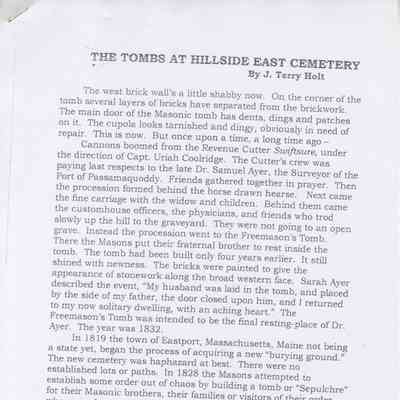
Page 341-342 — Monday 12th of November 1832. I went down into the parlour to look at all that was now left of my dear husband. There was a smile on his countenance, he look'd pleasant and natural. I felt as if he was conscious I was near him, that he would open his eyes once more upon me, and speak to me. I could not realize that he was dead, that he would never again look upon me, that I should never hear his voice again. I left the room, and return'd to my own chamber. Many kind friends came in to offer assistance, and to sympathize with me. Tuesday I rose and endeavoured to prepare for the last offices to be performed for my husband. I went down and took a last look, the effort was violent, it was almost more than I could bear, I look'd to God, and felt that he alone could support and comfort me. The hour came, the bell struck, minute guns were fired from the cutter, friends collected, an appropriate prayer was made by Mr. Gale, the coffin was then placed in the hearse, a carriage was brought to the door, and in it was placed myself, and children, Mr. Gale and wife; then followed the custom house officers, physicians, and friends of the family. The procession moved slowly on, it moved to the grave yard, my husband was laid in the tomb, and placed by the side of my father, the door closed upon him, and I return'd to my now solitary dwelling, with an aching- heart. The scene which I had dreaded was over, I had been supported through it ; I lookM into the chamber in which my early friend, my dear husband died, it look'd deserted and desolate, my soul was exceeding sorrowful, I felt forlorn, and wept. Mr. Gale wrote to Sarah, poor child! little did she dream when she left her home, that she should see her father no more in this world.
Page 349 — Thursday 9th of May 1833. Gen. Ripley call'd me very early to go on board the Boundary; he said she would sail in the course of twenty minutes. I had to hurry on my cloaths. collect my things to send down, and leave the house, not a moment to take leave of my friends, or, kiss the dear children, Gen. Ripley accompanied me down to the vessel. There Mr. Leavitt met me; my things were all on board. Dea. Wheeler, Mr. Eustis and several other friends, stood on the wharf to bid me farewell. I found Mr. and Mrs. Gale already on board, and a large number of English gentlemen. I knew none of the passengers but Mr. and Mrs. Gale. My heart was full, and I retired to the cabin as the vessel push'd from the wharf to weep in secret. I dared not take a last look at East port, which for 11 years had been my home, which contain'd many dear friends, and the tomb of my husband. Oft shall I in imagination visit the spot, where lies all that now remains of my Father, and the partner of my life ; often weep over the green sod which covers them. Farewell sweet Isle, farewell ye dear departed ones ; soon will the rolling waves bear me far from scenes dear to memory. I go to a distant spot, to return to the birthplace of my husband, to take my abode with his aged Mother, and again to meet his brothers and sisters, and my own children.
Page 356 — Friday [August 23, 1833]. Mother and myself rode down to Hooksett, to visit Mary Gale. When I entered the house, I was much affected. A thousand painful recollections crowded upon my mind. Mary opened the door, and led the way into the parlour, and seating myself on the sofa, I look'd round, to see if there was any object that look'd familiar. In that room I was married, and there, I had spent many happy hours with the dear companion of my life, my husband, he, who now lies low in the tomb, at a far distant place.