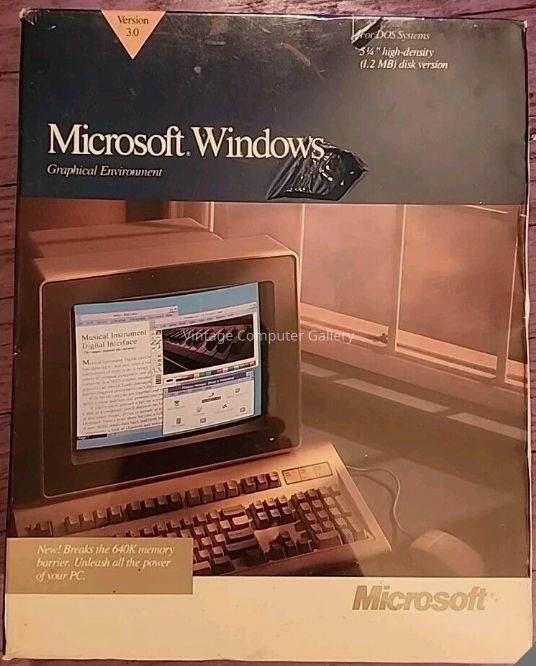
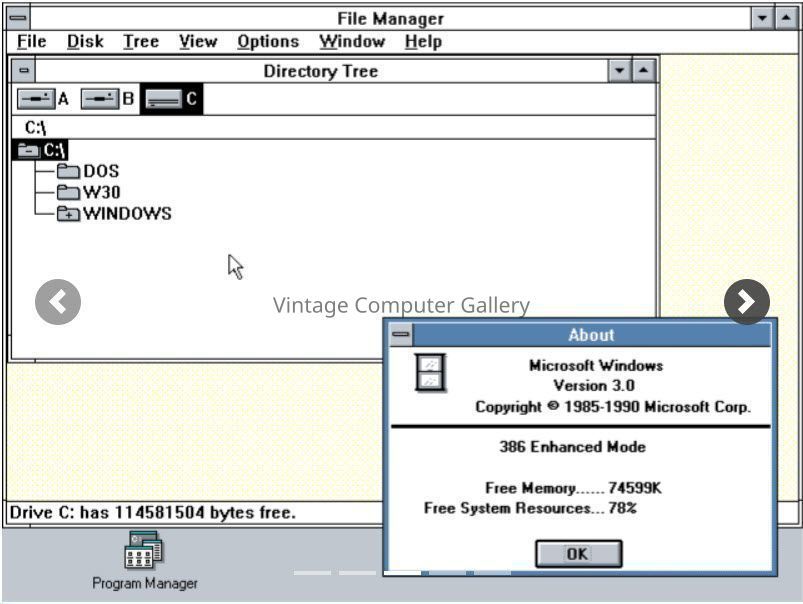
Microsoft Windows 3.0 was introduced on May 22, 1990, marking a significant advancement in the development of Microsoft’s operating environments. It was the third major release and became the first version to achieve both critical and commercial success.
Windows 1.0- 11/20/1985
Windows 2.0- 12/9/1987
Windows 3.0- 5/22/1990
Windows 95- 8/241995
Windows 98- 6/251998
Windows 2000- 2/17/2000
Windows Me- 9/14/2000
Windows XP- 10/25/2001
Windows Vista- 11/8/2008
Windows 7- 7/22/2009
Windows 8- 10/26/2012
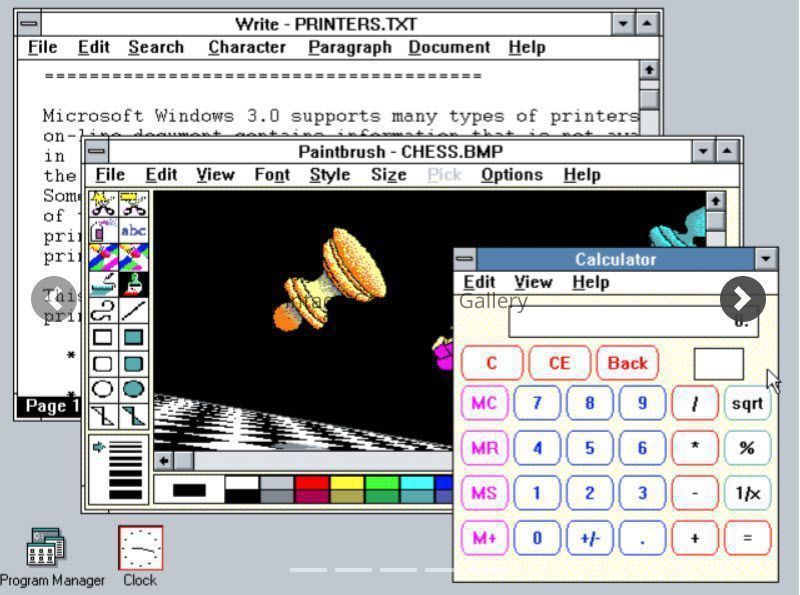
Graphical User Interface (GUI): Windows 3.0 featured a new GUI that represented applications as clickable icons rather than a list of file names, which was the norm in its predecessors
Multimedia Extensions: Later updates to Windows 3.0 expanded its capabilities, including multimedia support for sound recording and playback, as well as support for CD-ROMs1.
Improved Multitasking: This version was the first to offer improved multitasking capabilities, allowing users to run multiple applications simultaneously
Memory Management: Windows 3.0 was praised for its memory management, which was a significant improvement over previous versions
Program Manager: It introduced the Program Manager, which provided a non-intimidating interface for users to easily find and launch applications
Commercial Success: With over 10 million copies sold, Windows 3.0 cemented Microsoft’s dominance in the PC operating system market
Windows 3.0’s introduction was a turning point for personal computing, bringing a more user-friendly and visually appealing interface to the masses and setting the stage for future developments in the Windows operating system series