Note
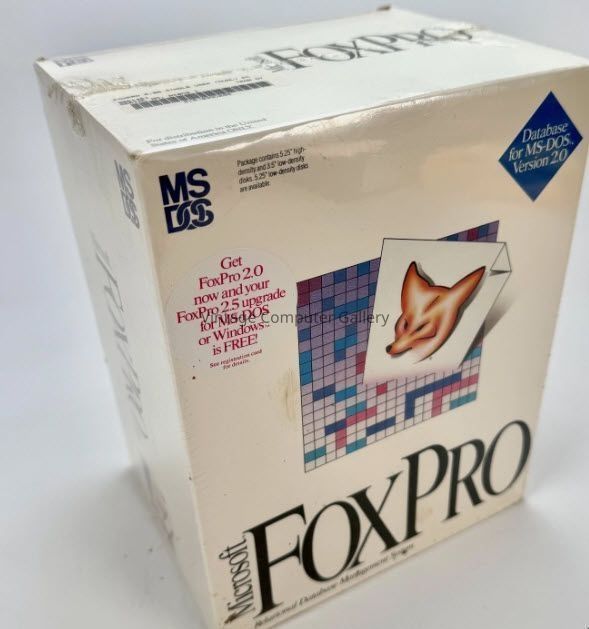
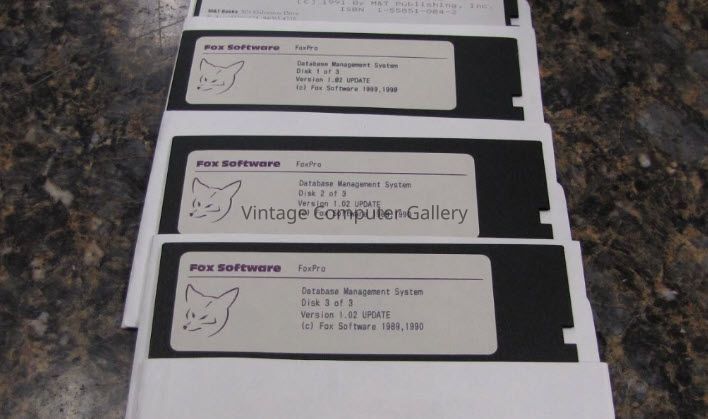
Major Features of FoxPro 2.0
The “2.0” version introduced a fully relational engine (in the xBase world) supporting multiple table relationships and enhanced query capability (“relational query by example” interface).
It featured the “Rushmore” optimization engine which dramatically improved performance by leveraging indexes and evaluating queries more efficiently.
It was designed to run on standard DOS PCs (including 386/486 architectures), and could access expanded and extended memory for improved performance — the engine was built in Watcom C/C++ and used the DOS/4GW extender, etc.
Importantly for the era, it provided tools (form/report builders) and a query environment not just for “table” access but fairly advanced business-application use—making it more than a simple file-based DBMS.
Commercial & Market Significance
At the time (early 1990s) the desktop database market was in flux: products such as dBASE III/IV, Paradox for DOS, and others competed. FoxPro 2.0 differentiated by offering speed, relational capability, and relatively strong development tools.
Byte magazine’s promotional copy for July/August 1992 (and September 1992) touts FoxPro 2.0’s performance, relational query features, compatibility with existing dBASE apps, and network capability.
Microsoft’s acquisition of Fox Software in 1992—shortly after the release of FoxPro 2.0—gave Microsoft a flagship database and application-development product in the xBase space, complementing its other tools.
For many developers and organizations, FoxPro 2.0 (and its subsequent 2.x versions) became a workhorse platform for business database applications for DOS and later Windows, often running large volumes of records and supporting networked multi-user setups.
FoxPro (and later Visual FoxPro) eventually were discontinued by Microsoft: Visual FoxPro’s last release was version 9.0 (2004), with mainstream support ending in 2010 and extended support in 2015.