Powell and Hanmer Cycle Lamp
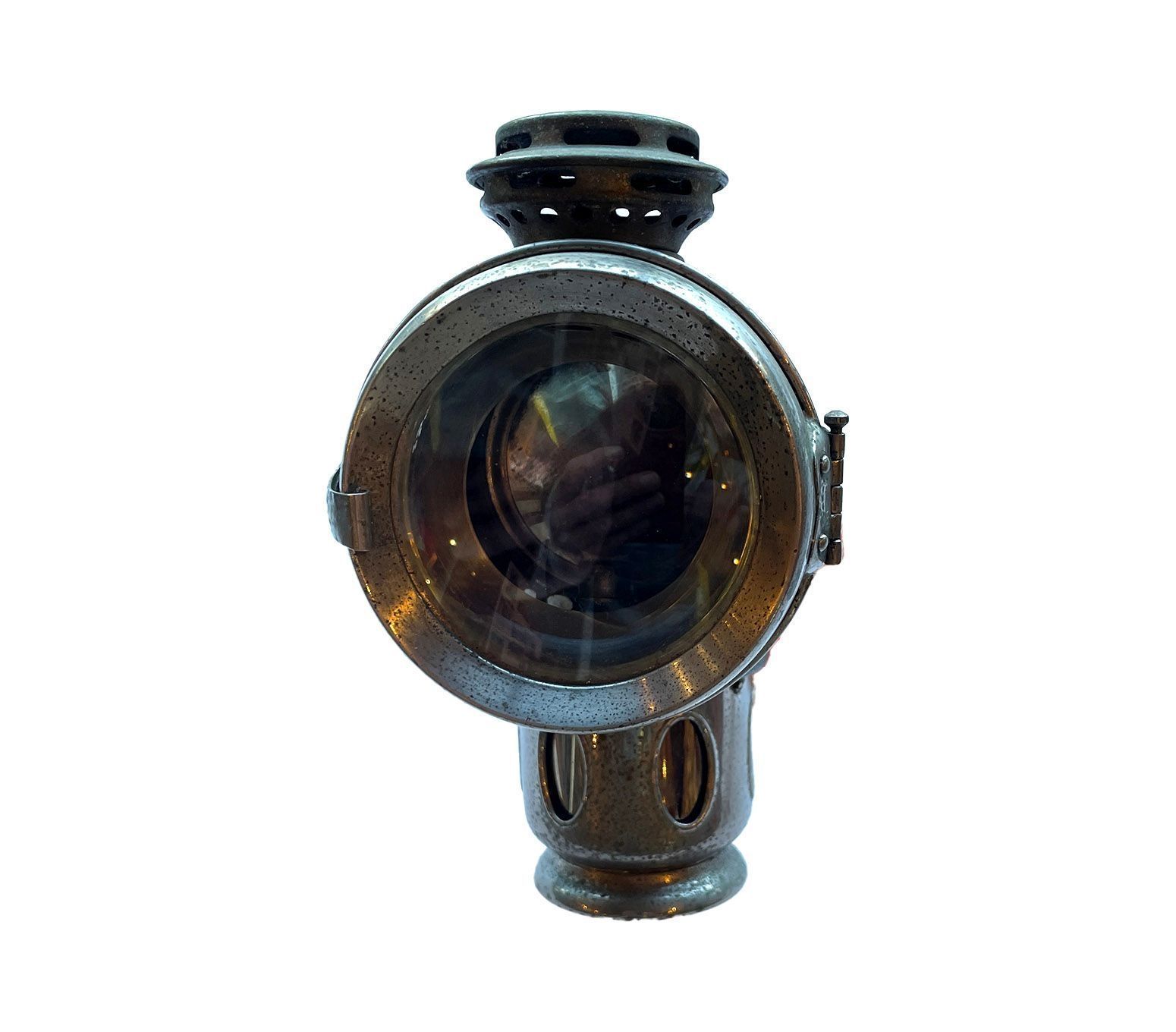
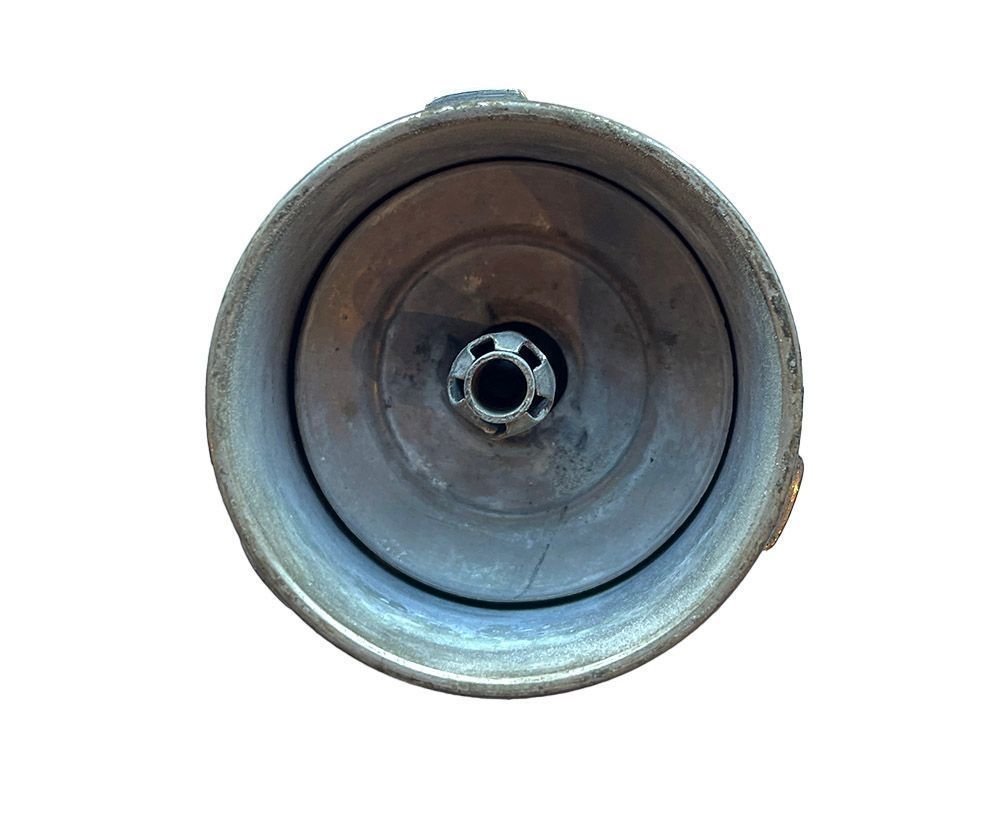
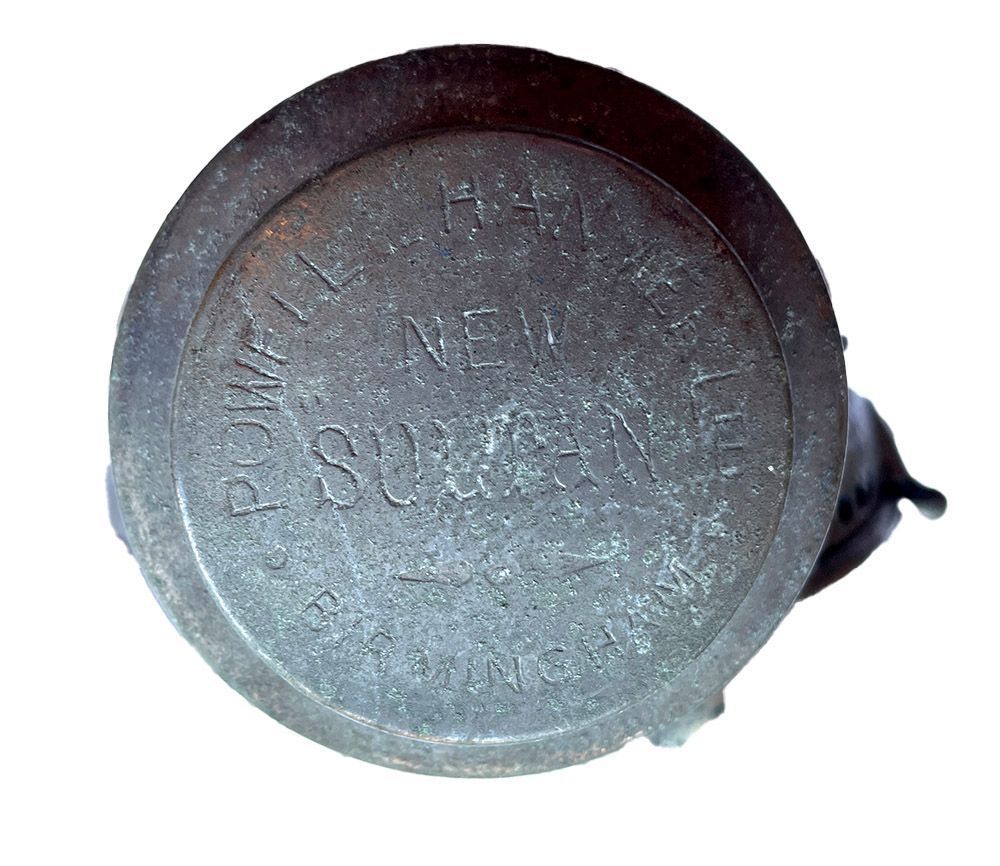
The 'New Sultan' cycle lamp, made by Powell & Hanmer, front view
Name/Title
Powell and Hanmer Cycle LampEntry/Object ID
2025.1.696Description
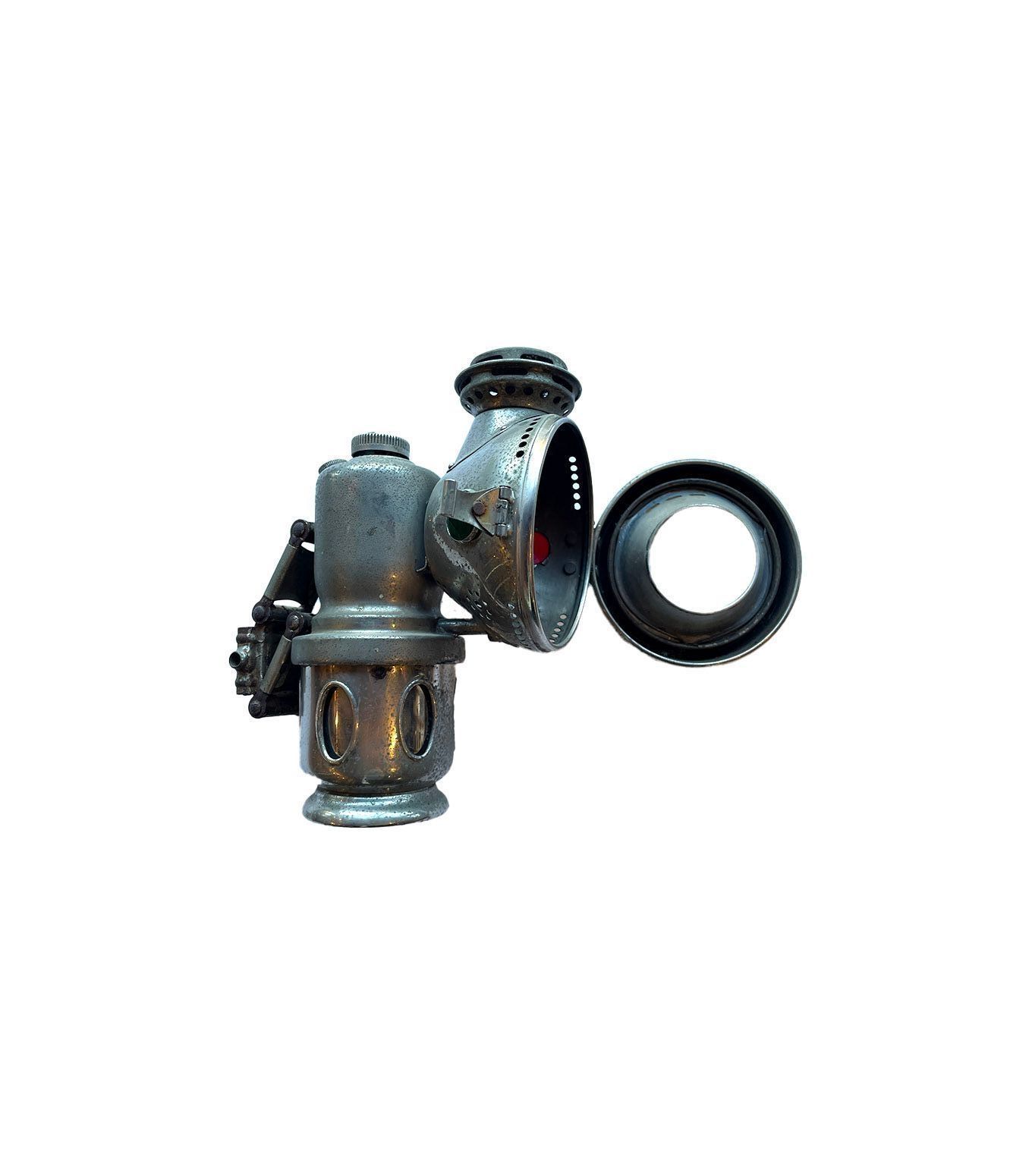
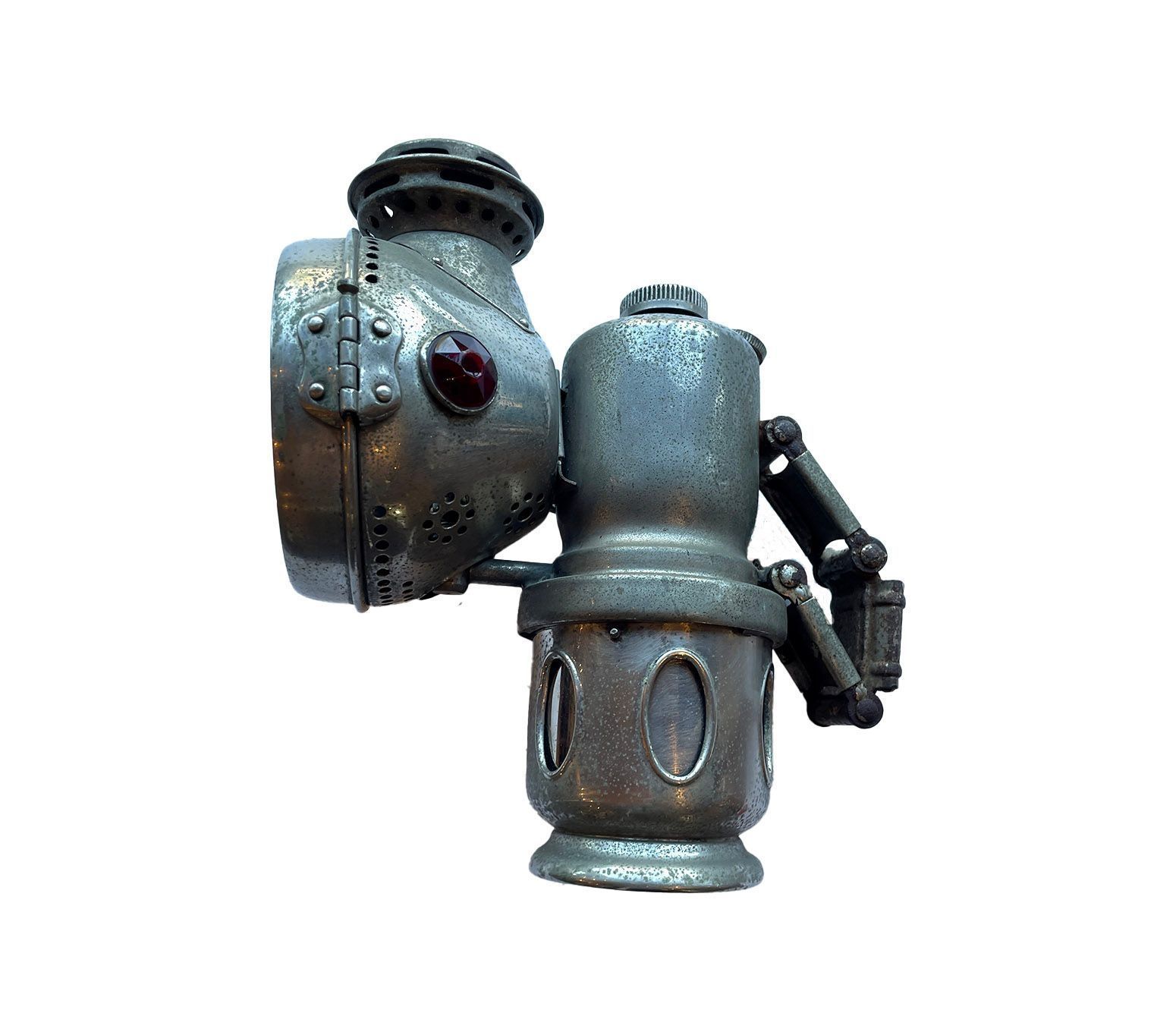
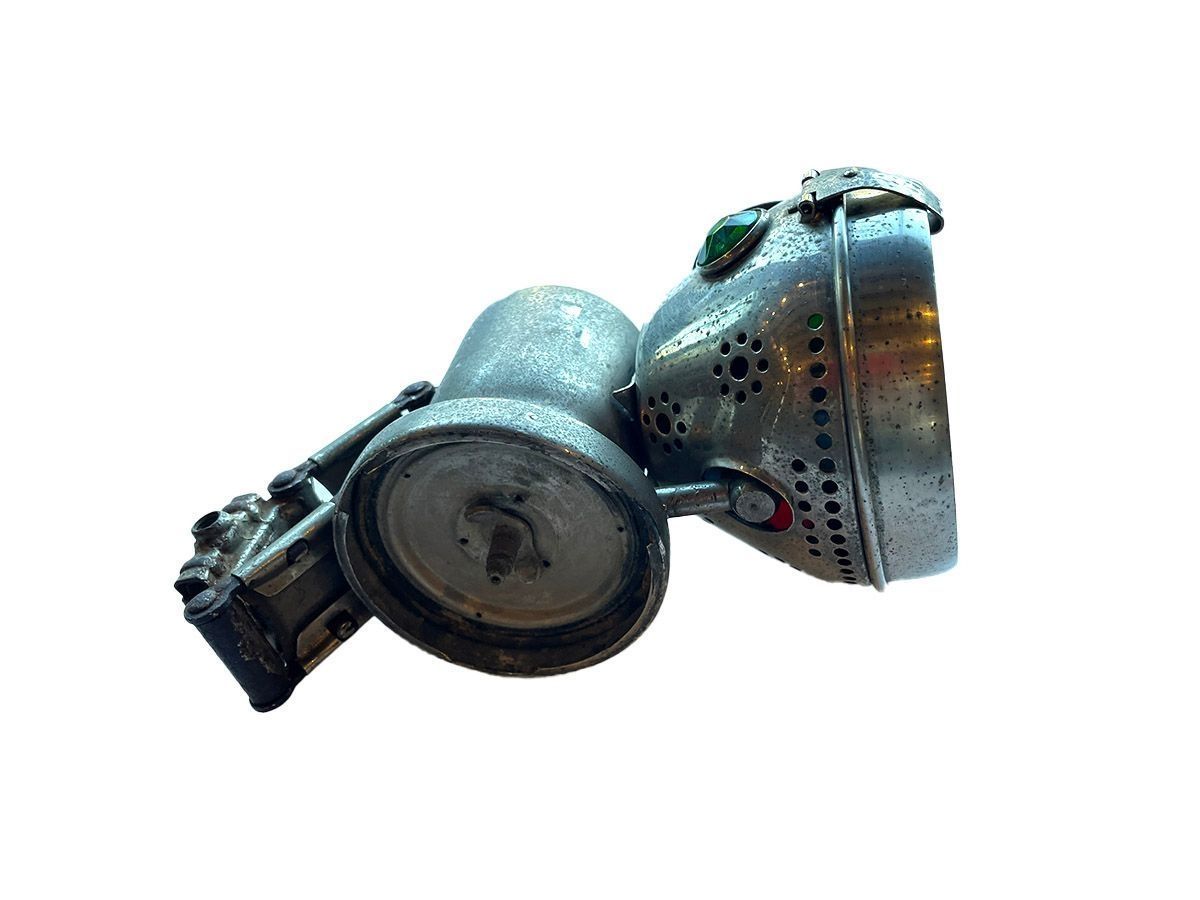
A carbide cycle lamp made of non-ferrous metal, with a plan convex lens and with a red glass insert in one side of the body and a green glass insert in the other.Context
Made by Powell & Hanmer Ltd., of Birmingham UK – this model called the 'New Sultan'. Founded by Francis Powell and Francis Hanmer in the summer of 1885, the first advert for cycle and carriage lamps appeared in November 1885. In 1890 they applied for a patent for lamps for velocipedes such as lightweight wheeled vehicles propelled by a rider, e.g. a bike, tricycle and railroad handcar. By 1913 they were manufacturing car head lamps. In 1929 Joseph Lucas purchased Powell & Hanmer for £500, 000. Early models of the automobile, motorbike and bicycles used carbide lamps as headlamps. Acetylene gas, derived from carbide, enabled early automobiles to drive safely at night. Thick concave mirrors combined with magnifying lenses projected the acetylene flame light. These type of lights were used until reliable batteries and dynamos became available, and manufacturers switched to electric lights. According to The Timing Chest: this is how the carbide lamp works: "Acetylene gas is lit inside a lamp. The reflection of the flame produces a beam of light. To produce the acetylene gas, you use a “gas generator”. It is essentially two chambers. Carbide pieces go in the bottom chamber and water goes in the upper chamber. Water drips down onto the carbide and produces acetylene gas. The gas is piped to the lamp with a regulated wick. There were various ways of regulating the production of gas and the brightness of the flame. While carbide acetylene lamps were light and inexpensive to run, they were prone to gas leaks and explosions".Cataloged By
Felix LamCategory
Bicycles, motor bikes, mechanical