Bars Of Lye Soap

Object/Artifact

-

Wildwood Historic Center

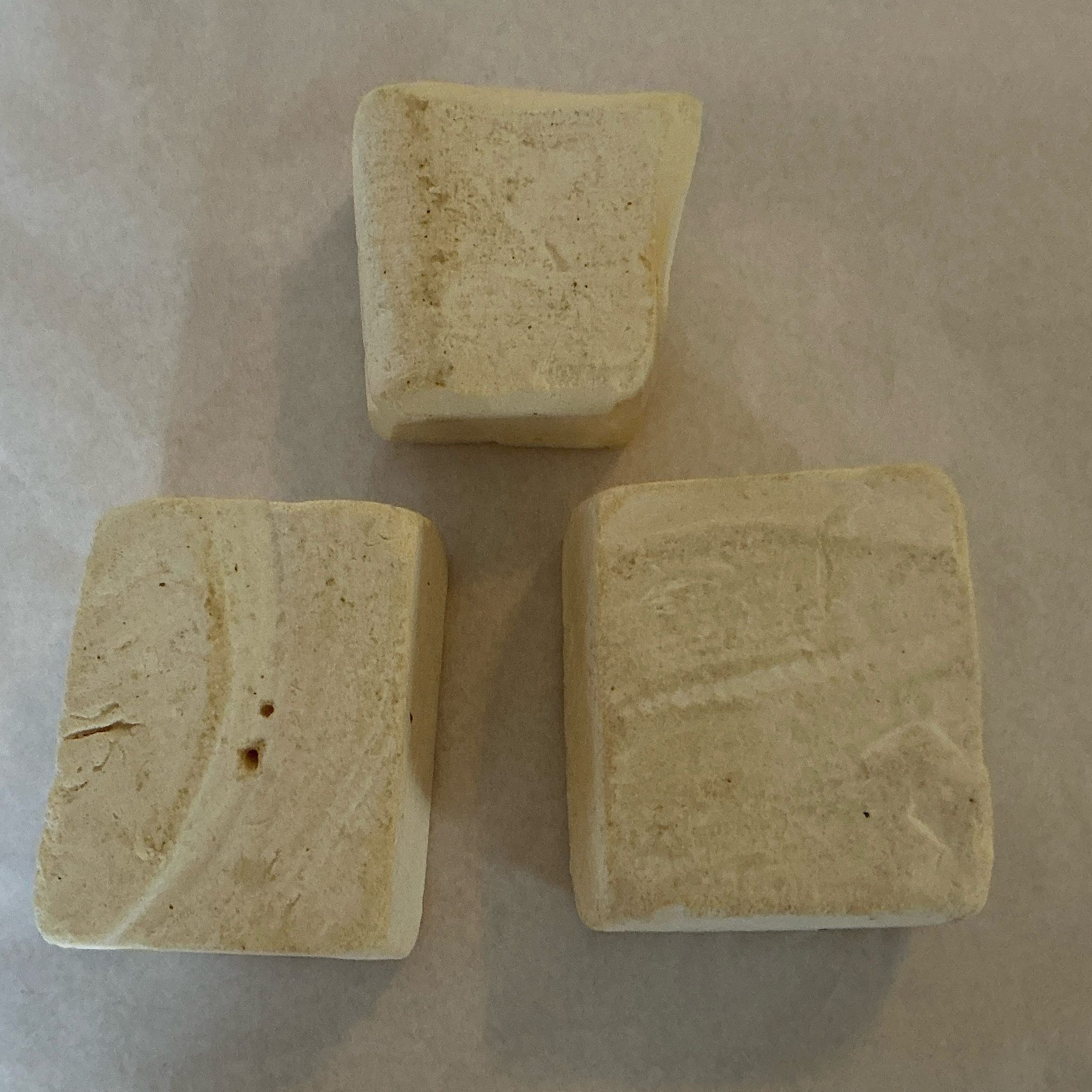
Soap showing discoloration and mold markings.

Soap showing discoloration and mold markings.

Name/Title

Bars Of Lye Soap

Entry/Object ID

1968.004.001

Description

Three uneven in size bars of homemade lye soap

Context

Made by hand to be used for personal hygiene and house cleaning.

Collection

Wildwood Historic Center [primary collection]

Acquisition

Accession

1968.004

Lexicon

Nomenclature 4.0

Nomenclature Secondary Object Term

Dish, Soap

Nomenclature Primary Object Term

Container, Soap

Nomenclature Primary Object Term

Soap, Laundry

Nomenclature Primary Object Term

Soap

Nomenclature Sub-Class

Hygiene Objects

Nomenclature Sub-Class

Laundry Equipment

Nomenclature Class

Toilet Articles

Nomenclature Class

Maintenance T&E

Nomenclature Category

Category 03: Personal Objects

Nomenclature Category

Category 05: Tools & Equipment for Science & Technology
Dimensions

Dimension Description

No two bars are the same. Measurements given on most uniform bar.

Height

2 in

Width

3 in

Length

3-1/2 in

Parts

Count

3

Parts

Three separate bars broken unevenly from mold.

Location

Cabinet

Pie Safe

Wall

East Wall

Room

Kitchen

Floor

First Floor

Building

Wildwood House

Condition

Overall Condition

Very Good

Provenance

Notes

To make lye in the kitchen, boil the ashes from a hardwood fire (soft woods are too resinous to mix with fat) in a little soft water, rain water is best, for about half an hour. Allow the ashes to settle to the bottom of the pan and then skim the liquid lye off the top. You can do this daily and when you've got enough of the weak solution, start the soap making process by boiling the liquid down until it'll float an egg. One word of caution: DO NOT use aluminum dishes or pots. The lye will eat right through `em!Now put that meat fat, left-over cooking lard and vegetable oil into a kettle not over half full, and heat the whole mess until all the liquid has been rendered out of the solid scraps. While it's still hot, add this clean grease to the bubbling lye and continue to boil the mixture-stirring all the while-until it reaches the consistency of thick corn meal mush.You should have a wooden box two inches high, three inches wide and six inches long handy. This is the mold for one bar.  If you're making more soap, use a larger box and cut the hardened finished product into convenient chunks. Cover the bottom of the box with waxed paper or grease to keep the soap from sticking, pour in the mushy mixture and let it cool. You've got yourself some backwoods soft soap!Hard soap is made the same way, except that you add a little salt to the mushy mixture as you pour it into the mold. The best proportion we found was two and a half pints salt to five gallons of tallow, and we also discovered that a little powdered rosin added to the grease, just before the lye is mixed in, helps the soap to set more firmly.