Research Type
CuratorNotes
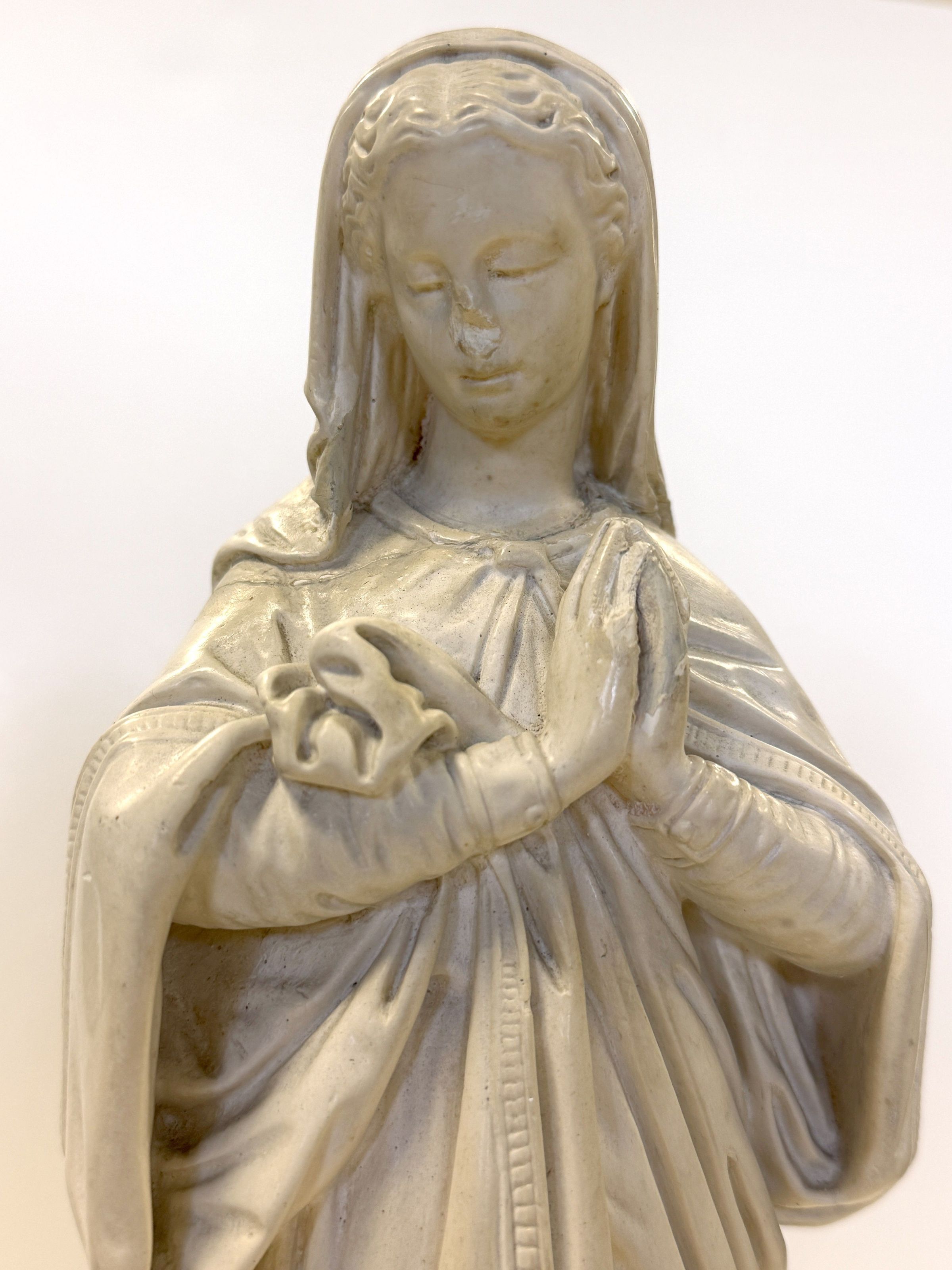
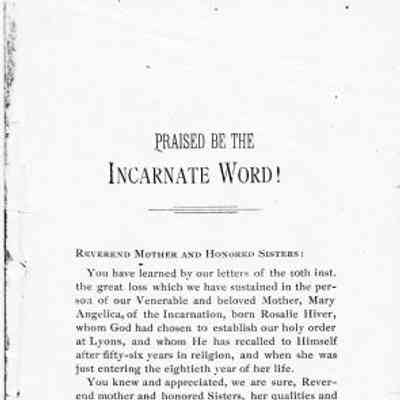
Mother Jeanne Chézard de Matel (1596-1670) founded the Order of the Incarnate Word and Blessed Sacrament, a contemplative cloistered Order in Roanne, France in 1625. The Congregation soon grew to encompass four Monasteries across France, in Avignon, Grenoble, Paris, and Lyons. These Monasteries were all suppressed in the eighteenth century and the Congregation dwindled in numbers. In 1817, Father Stephen Denis, a member of the suppressed male Monastery of Lyon and Mother Anne of the Holy Spirit Chinard-Durieux restored the Order.
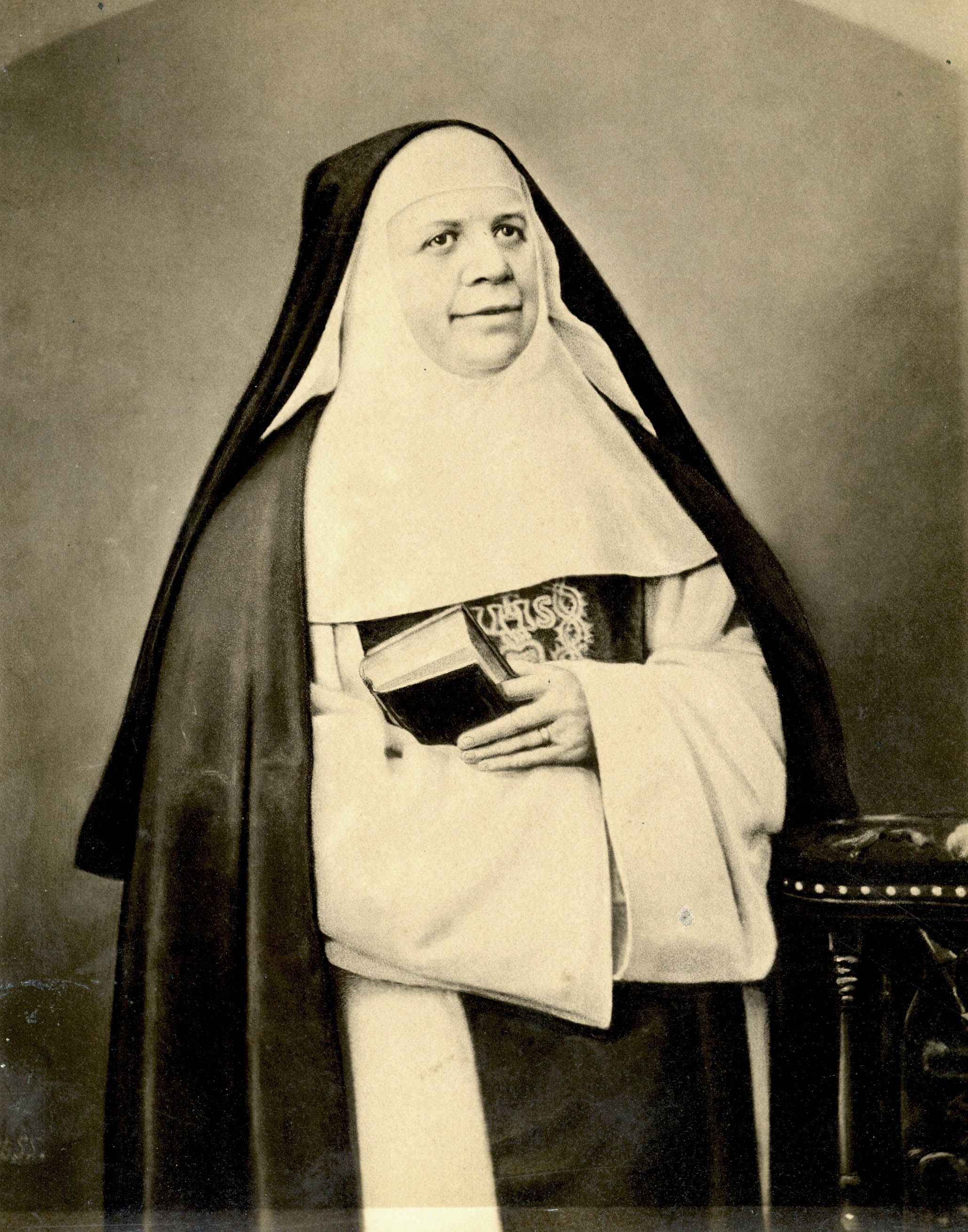
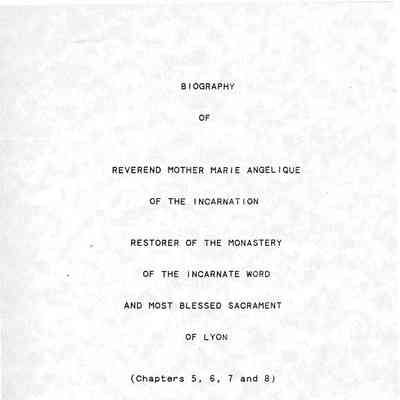
Sister Rosalie Hiver entered the Community of the Incarnate Word in Azerables, France on June 29, 1832. She received the name of Sister Angelique of the Incarnation and, as a novice, went to restore the Monastery in Lyon with two other Sisters. The chapel of the new Monastery was blessed on May 27, 1833.
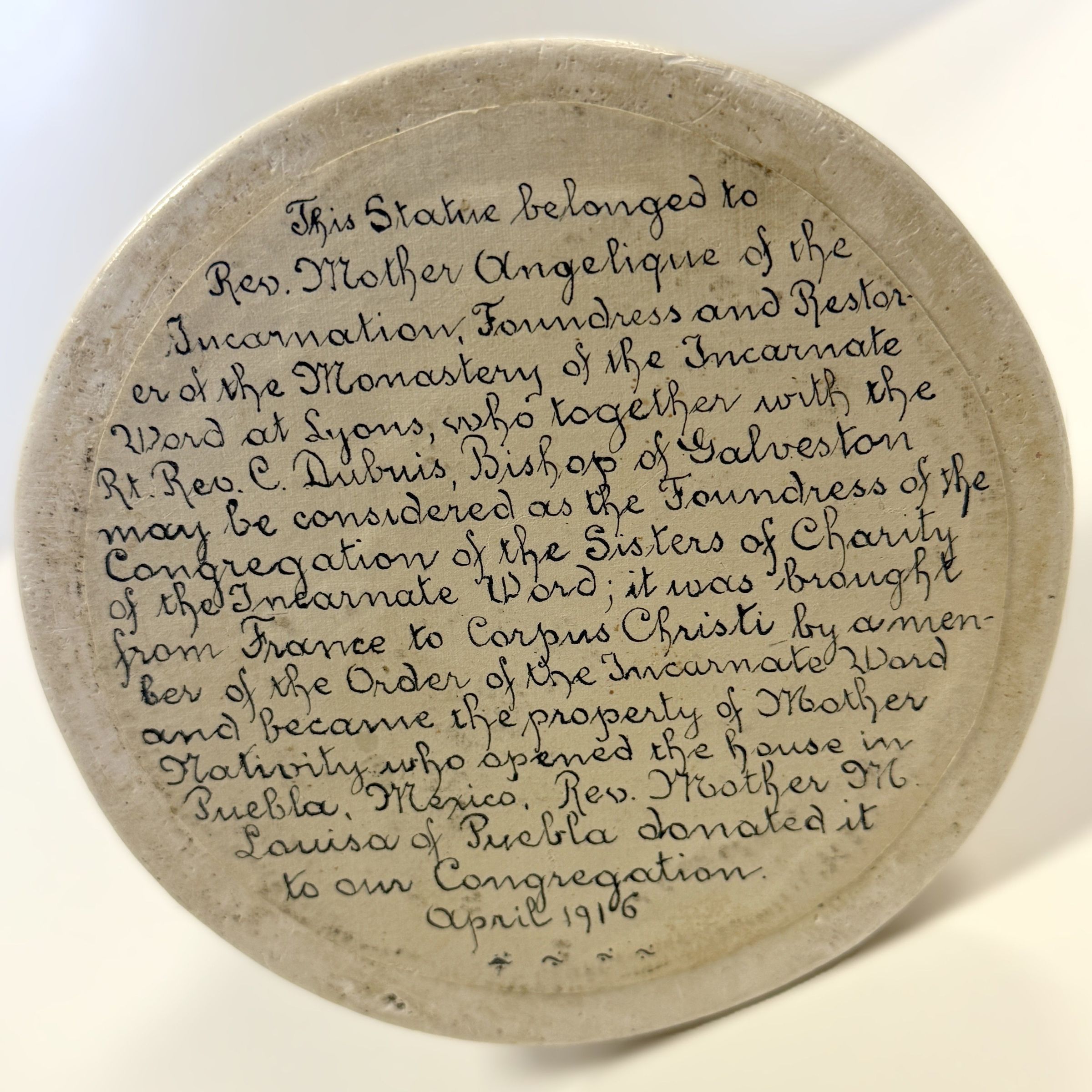
In 1852, at the request of Bishop Jean-Marie Odin, first Bishop of Texas, Mother Angelique sent four Incarnate Word Sisters to Brownsville, Texas, to establish the Congregation of the Incarnate Word and Blessed Sacrament in the United States. In 1866, the Monastery of Brownsville established a daughter house in Victoria, Texas, and in 1871, Victoria and Brownsville cooperated in making a foundation in Corpus Christi, Texas. In 1896, the Monastery of Corpus Christi founded a house in Puebla, Mexico, which was closed by religious persecution in 1929.
In 1866, Bishop Claude Marie Dubuis (1817-1895), second Bishop of Texas, wrote to Mother Angelique requesting three women to establish a charitable order, The Sisters of Charity of the Incarnate Word, in Galveston, Texas. Three years later, in 1869, he requested three additional women to establish a hospital in San Antonio, Texas to aid in the cholera pandemic. These Sisters founded the Congregation of the Sisters of Charity of the Incarnate Word, San Antonio.
-----
La madre Jeanne Chézard de Matel (1596-1670) fundó la Orden del Verbo Encarnado y del Santísimo Sacramento, una orden contemplativa de clausura, en Roanne (Francia) en 1625. La Congregación creció rápidamente hasta abarcar cuatro monasterios repartidos por toda Francia: en Aviñón, Grenoble, París y Lyon. Todos estos monasterios fueron suprimidos en el siglo XVIII y la Congregación vio reducido su número. En 1817, el padre Stephen Denis, miembro del monasterio masculino suprimido de Lyon, y la madre Ana del Espíritu Santo Chinard-Durieux restablecieron la Orden.
La hermana Rosalie Hiver ingresó en la Comunidad del Verbo Encarnado en Azerables, Francia, el 29 de junio de 1832. Recibió el nombre de hermana Angélique de la Encarnación y, como novicia, se trasladó a Lyon para restaurar el monasterio junto con otras dos hermanas. La capilla del nuevo monasterio fue bendecida el 27 de mayo de 1833.
En 1852, a petición del obispo Jean-Marie Odin, primer obispo de Texas, la Madre Angélica envió a cuatro hermanas del Verbo Encarnado a Brownsville (Texas) para fundar la Congregación del Verbo Encarnado y del Santísimo Sacramento en Estados Unidos. En 1866, el monasterio de Brownsville fundó una casa filial en Victoria (Texas) y, en 1871, Victoria y Brownsville colaboraron en la fundación de una casa en Corpus Christi (Texas). En 1896, el monasterio de Corpus Christi fundó una casa en Puebla (México), que fue cerrada en 1929 a causa de la persecución religiosa.
En 1866, el obispo Claude Marie Dubuis (1817-1895), segundo obispo de Texas, escribió a la Madre Angélica solicitándole tres mujeres para fundar una orden caritativa, las Hermanas de la Caridad del Verbo Encarnado, en Galveston, Texas. Tres años más tarde, en 1869, solicitó que otras tres mujeres fundaran un hospital en San Antonio, Texas, para prestar ayuda durante la pandemia de cólera. Estas hermanas fundaron la Congregación de las Hermanas de la Caridad del Verbo Encarnado de San Antonio.Research Type
CuratorNotes
Gunning, Mother M. Patricia. "To Texas with Love: A History of the Sisters of the Incarnate Word and Blessed Sacrament,” 1971, p.135:
“At the suggestion of Bishop [Peter] Verdaguer, the Community established a house in Puebla, Mexico in 1896. Mother Angelique notes that it was the poverty of the Community which impelled him to make this suggestion. The idea is puzzling as we learn of it now, for the annals show that not only did the Community send three of its best teachers and pay the expenses of their trip, it was called upon again and again for financial help. It is possible that the Bishop believed the work of charity would eventually pay off for the Corpus Christi Community. Sister Mary Nativity was elected Superior of the Puebla convent. She was accompanied by Sister Mary Agnes and Sister Mary Incarnation.”
--------
Gunning, Madre M. Patricia. «To Texas with Love: A History of the Sisters of the Incarnate Word and Blessed Sacrament», 1971, p. 135:
«A sugerencia del obispo [Peter] Verdaguer, la Comunidad fundó una casa en Puebla (México) en 1896. La Madre Angélique señala que fue la pobreza de la Comunidad lo que le impulsó a hacer esta sugerencia. La idea resulta desconcertante tal y como la conocemos ahora, pues los anales muestran que la comunidad no solo envió a tres de sus mejores maestras y corrió con los gastos de su viaje, sino que se le pidió una y otra vez ayuda económica. Es posible que el obispo creyera que la labor caritativa acabaría por dar sus frutos para la comunidad de Corpus Christi. La hermana Mary Nativity fue elegida superiora del convento de Puebla. La acompañaban la hermana Mary Agnes y la hermana Mary Incarnation».