Faunal Bones
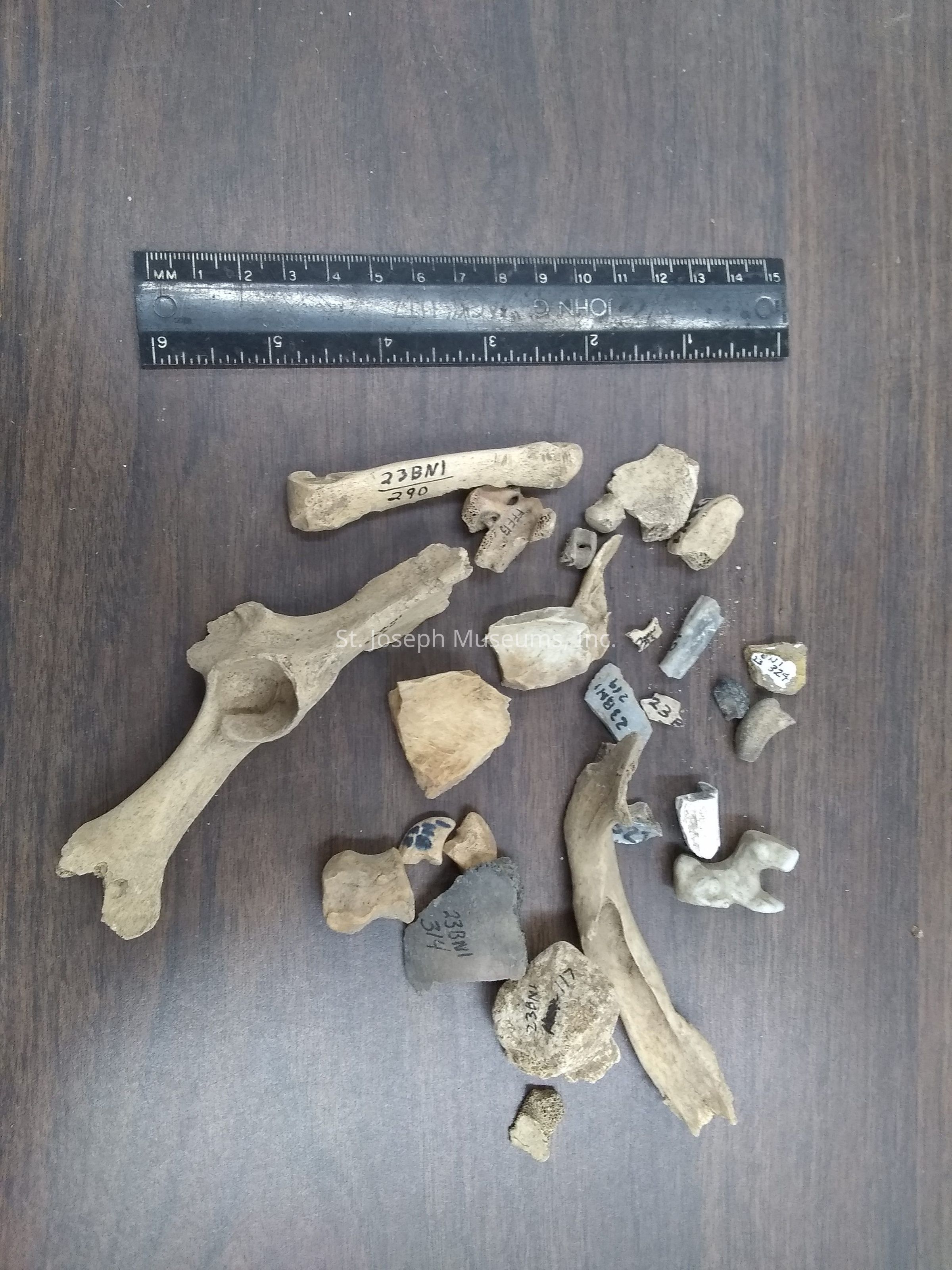
Bag 1
Name/Title
Faunal BonesEntry/Object ID
2001.15.180Description
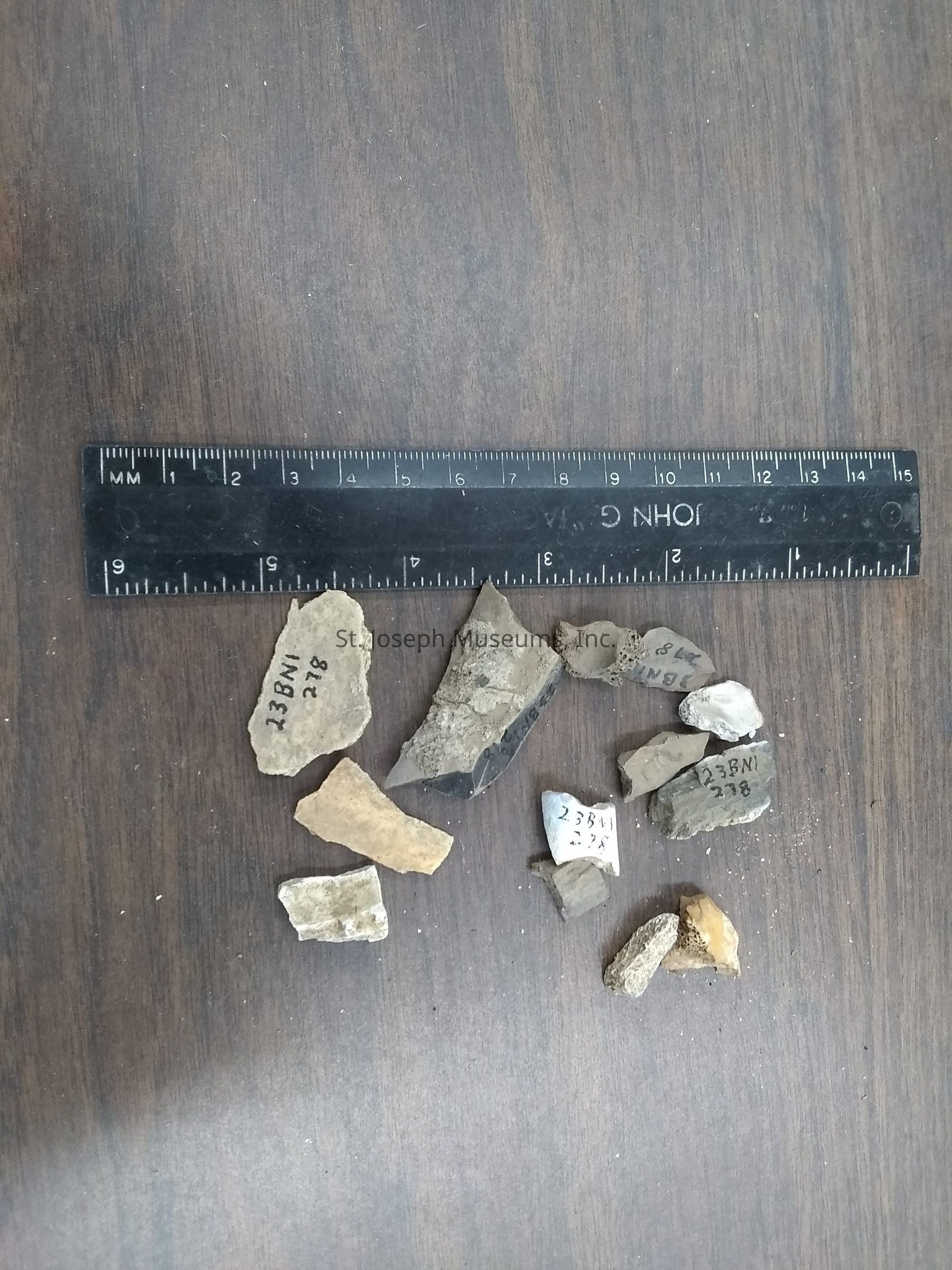
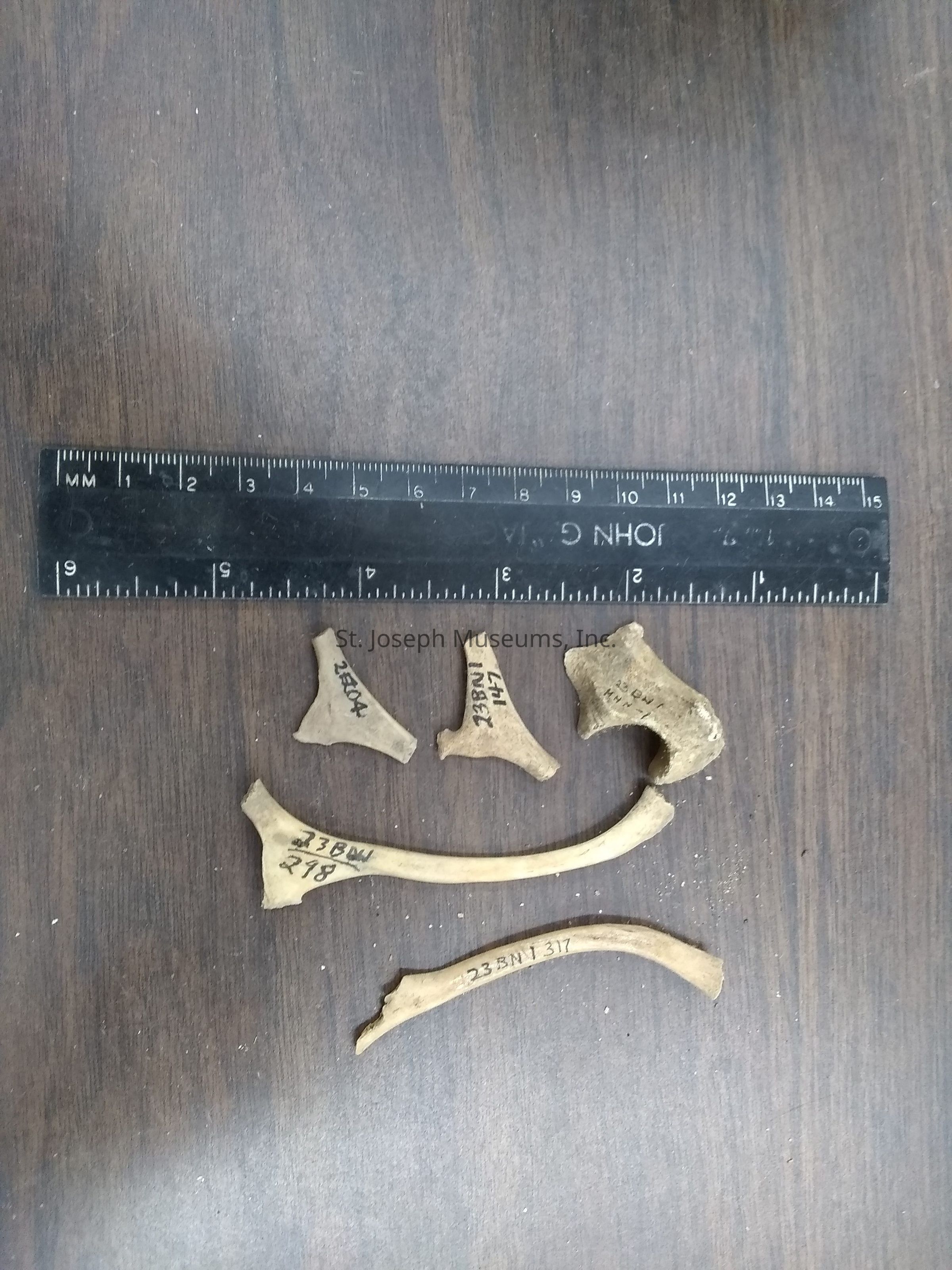
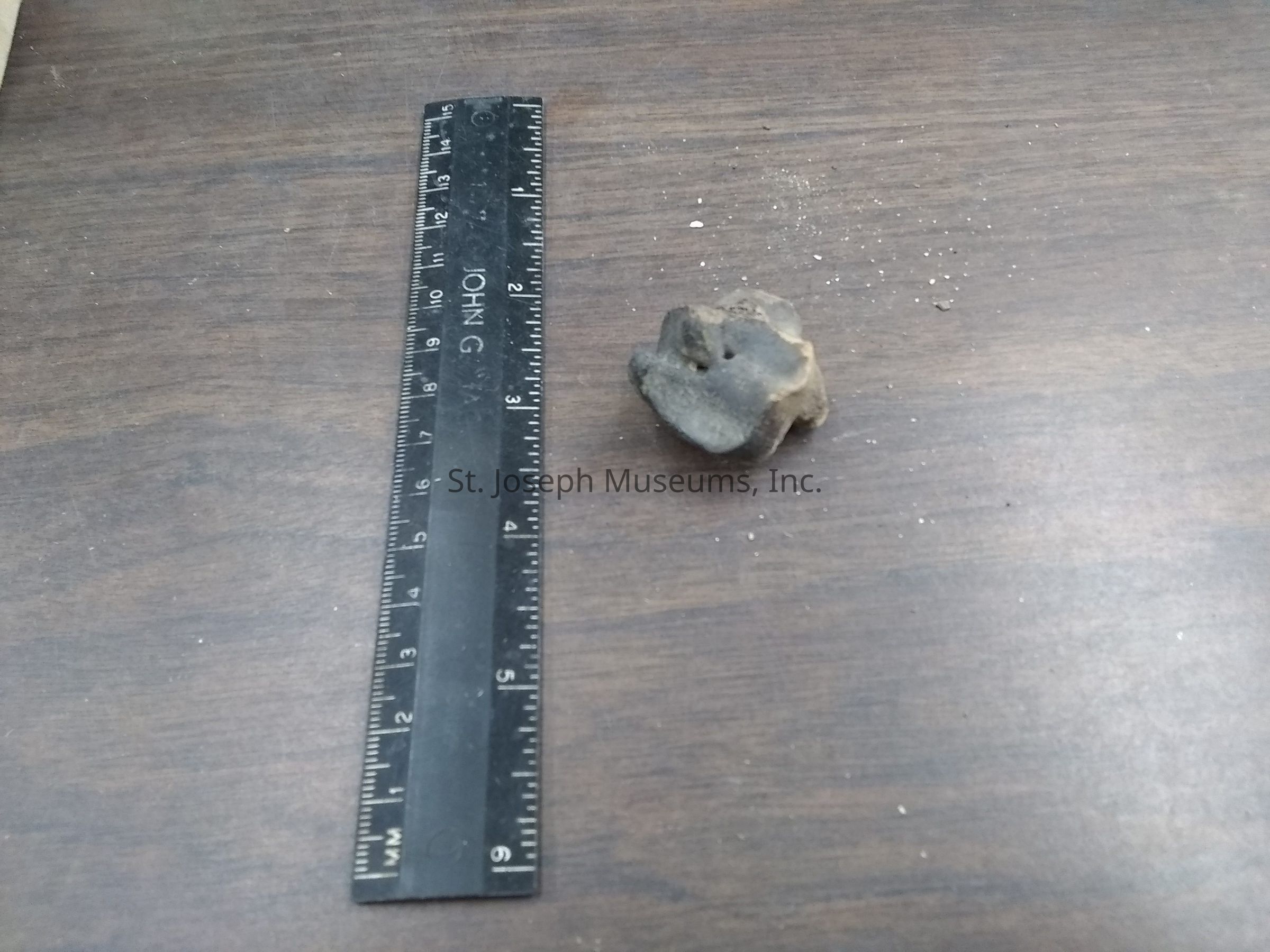
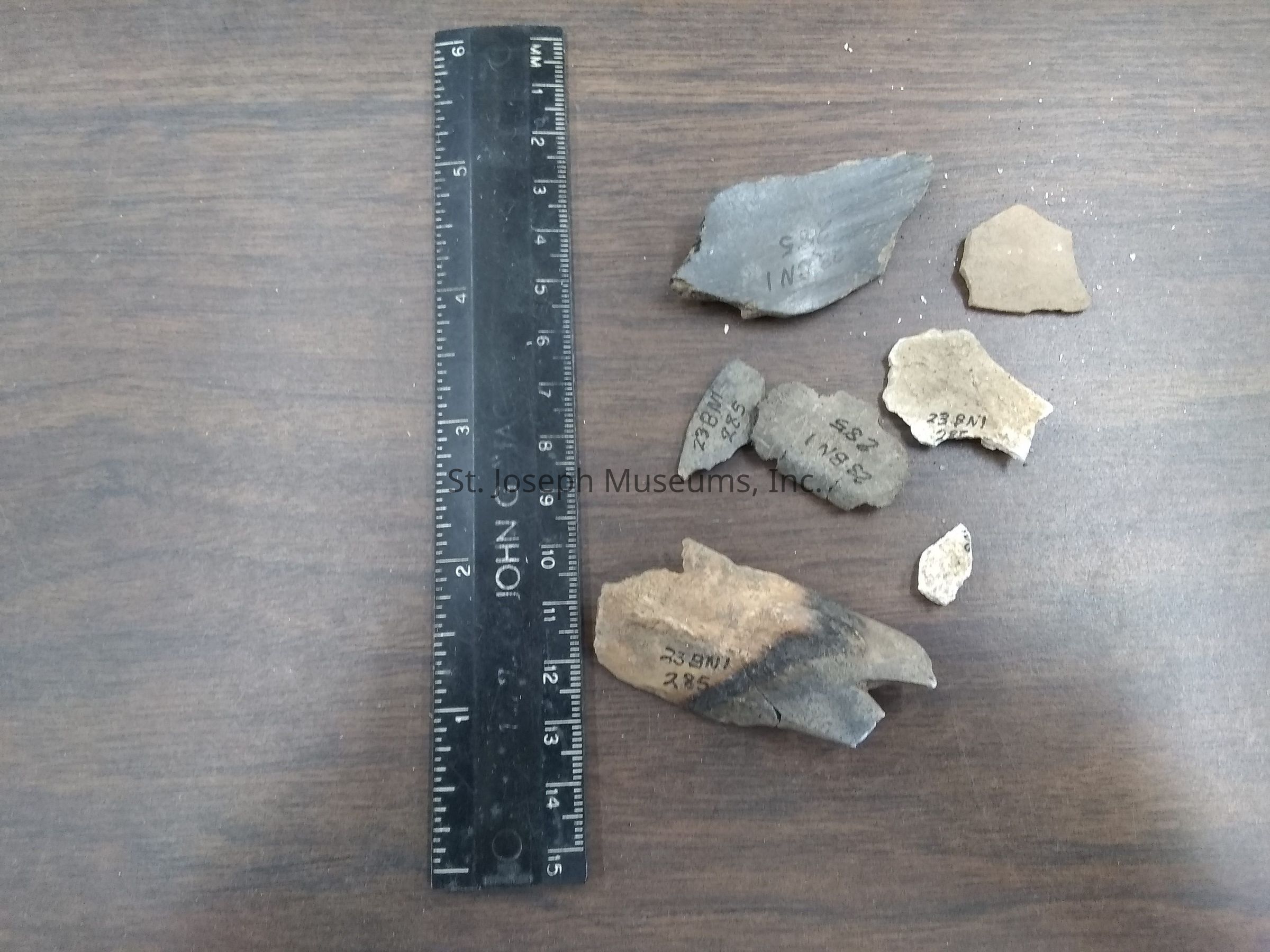
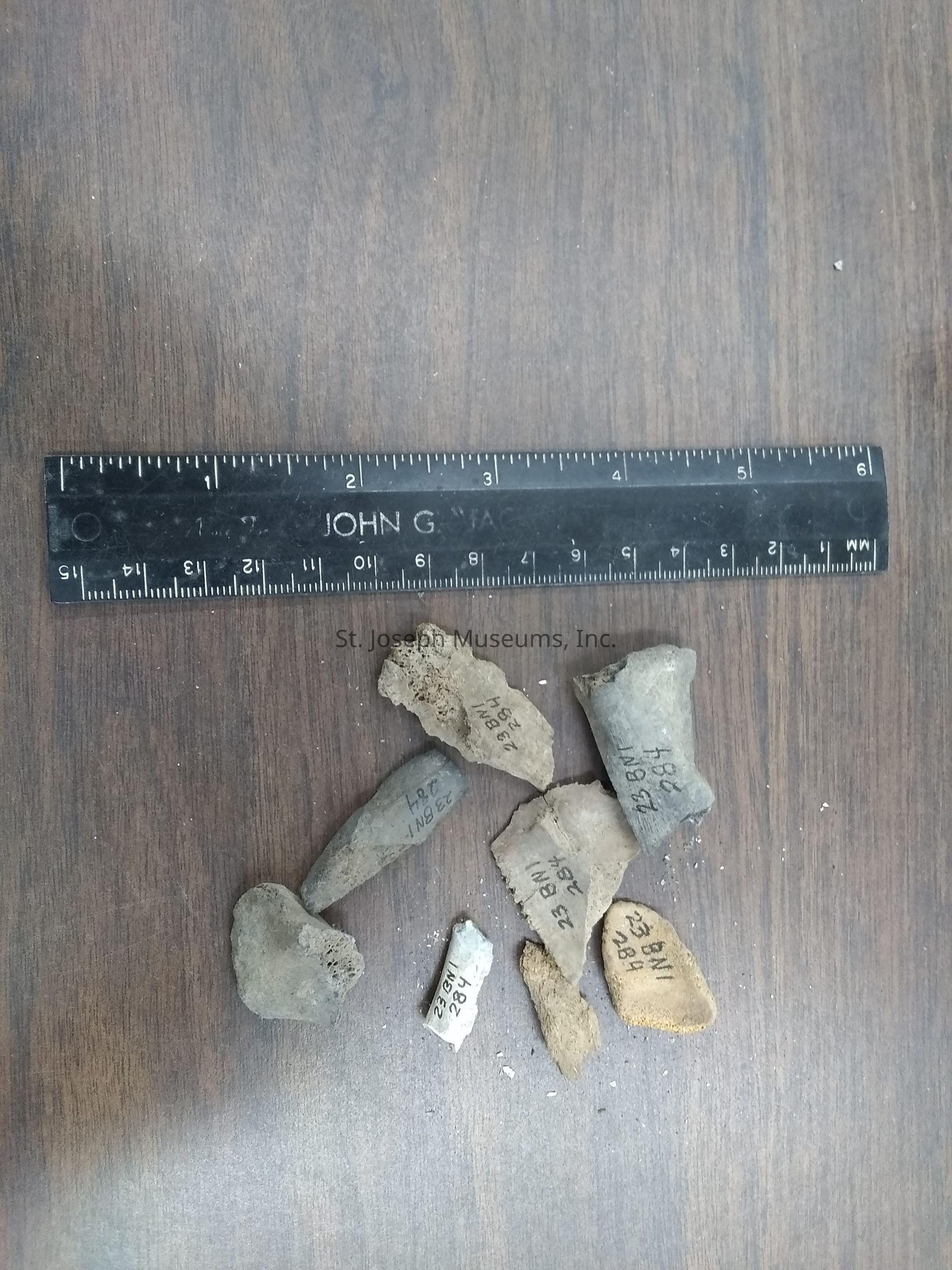
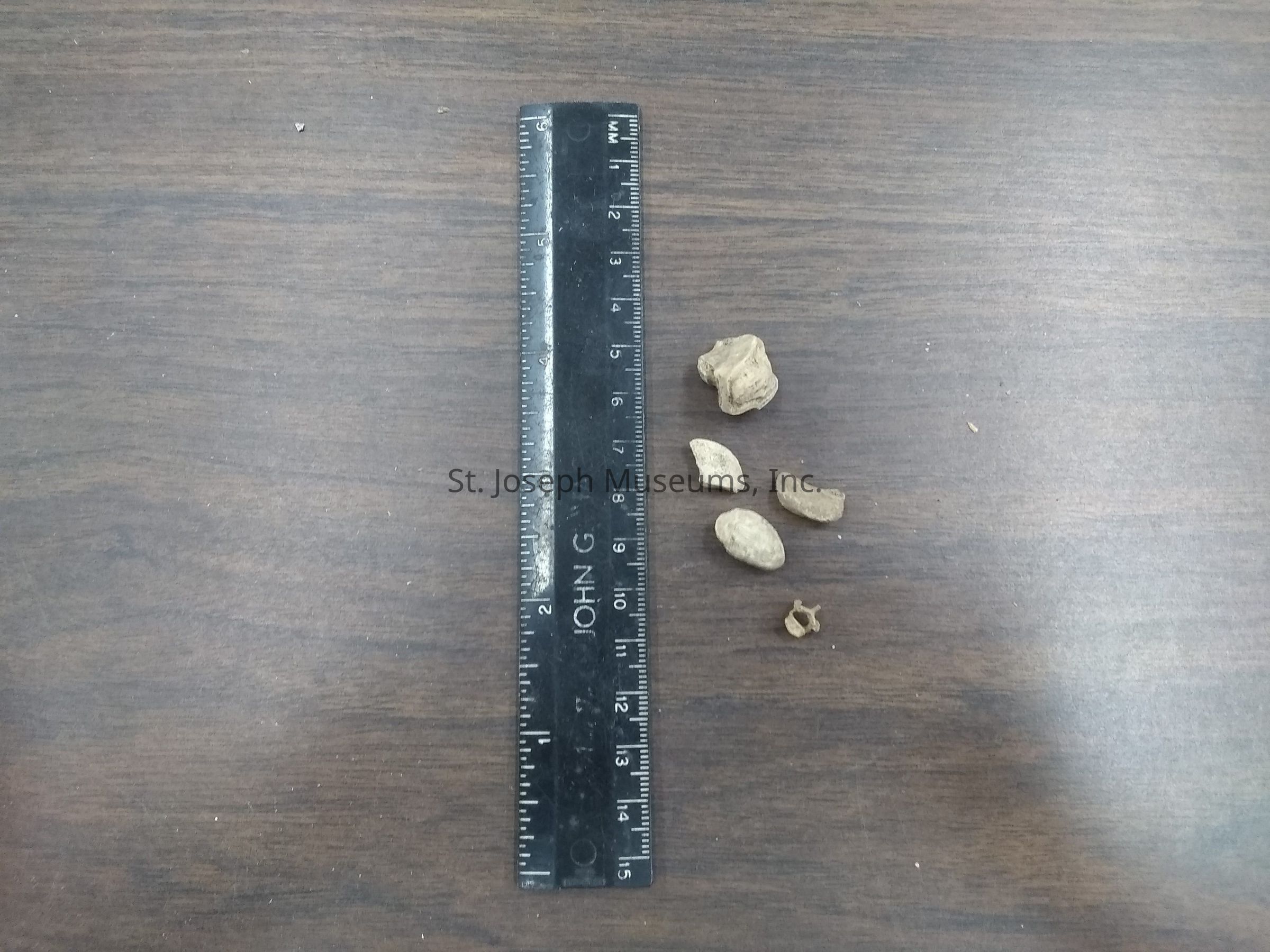
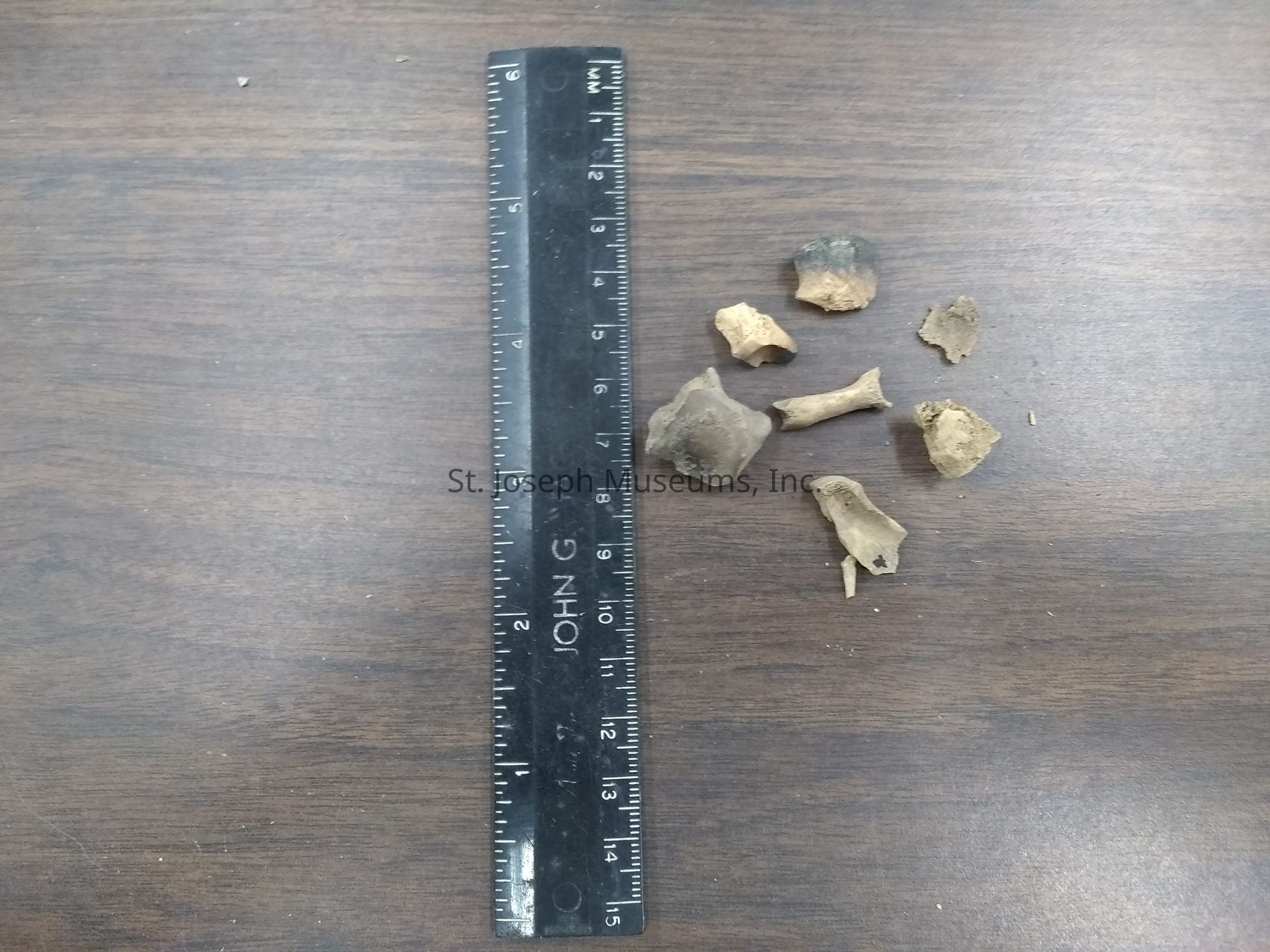
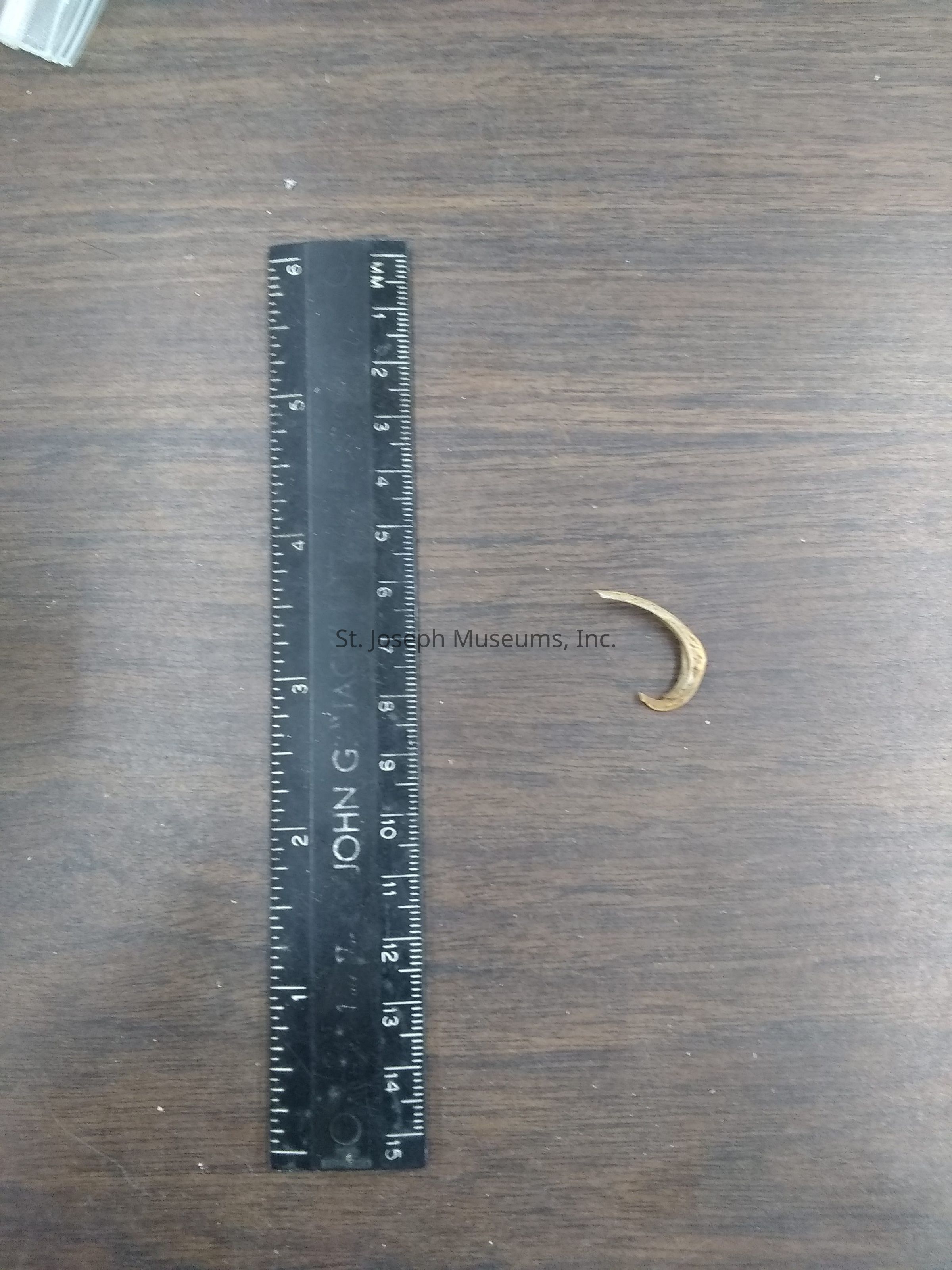
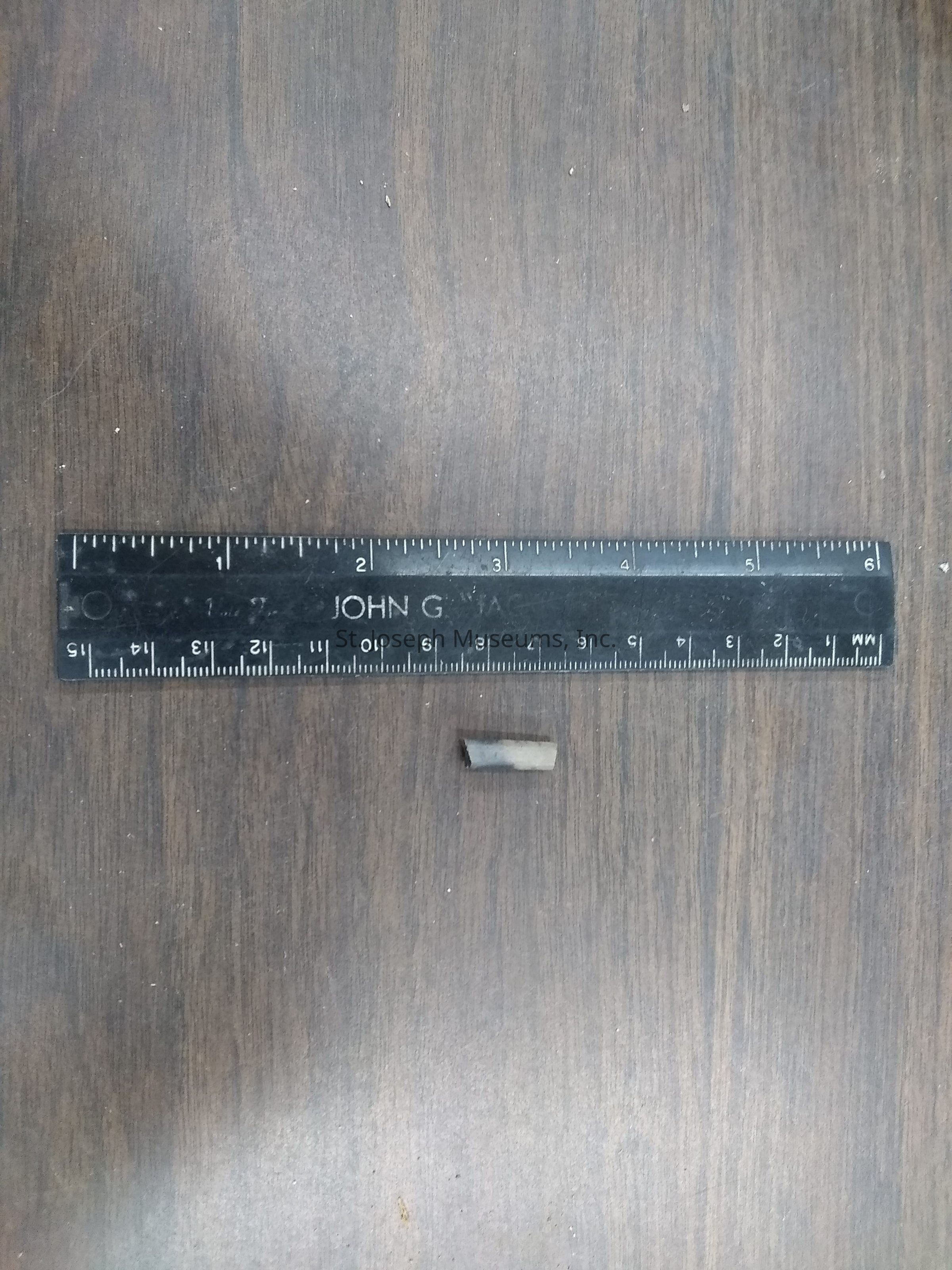
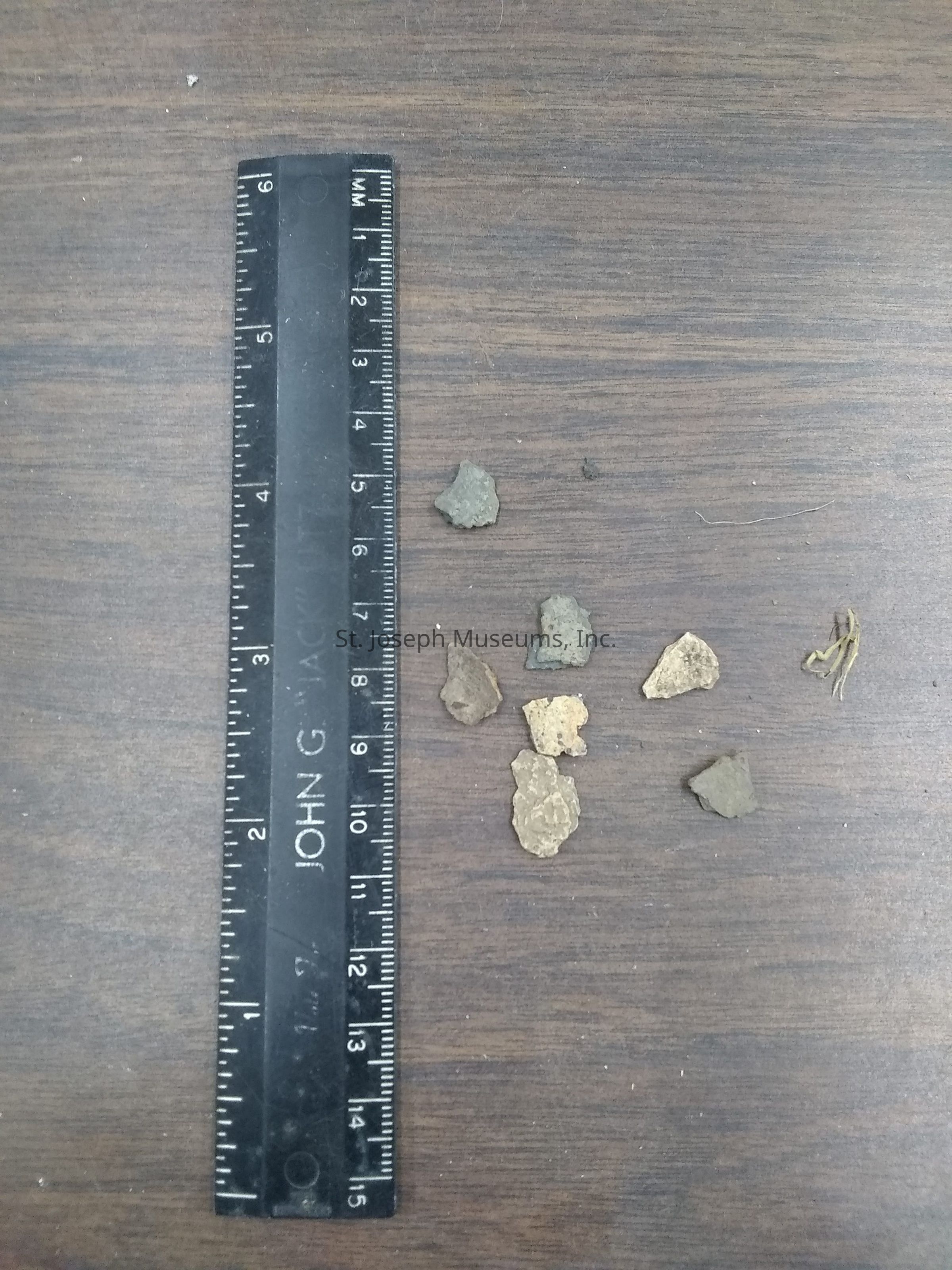
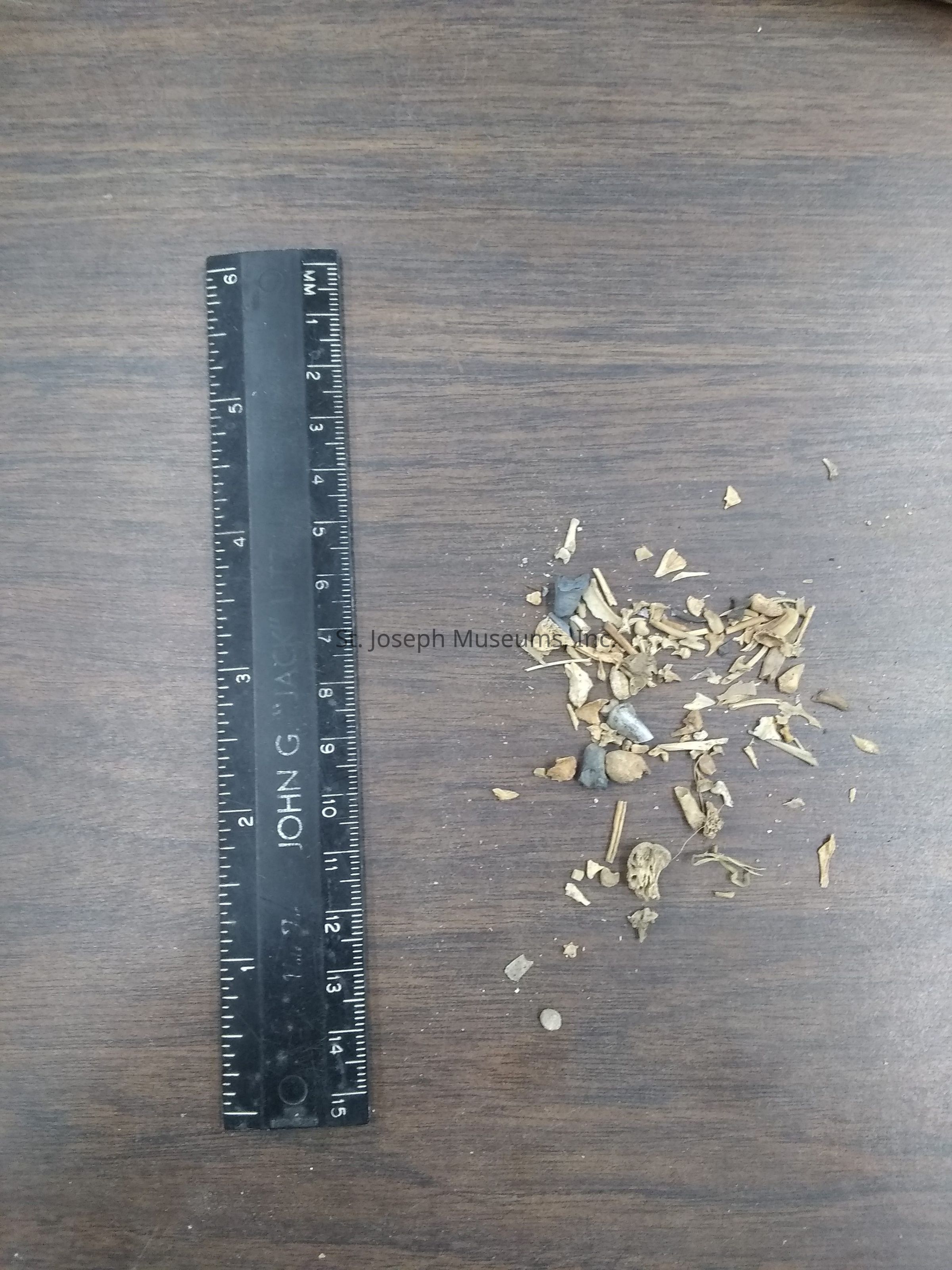
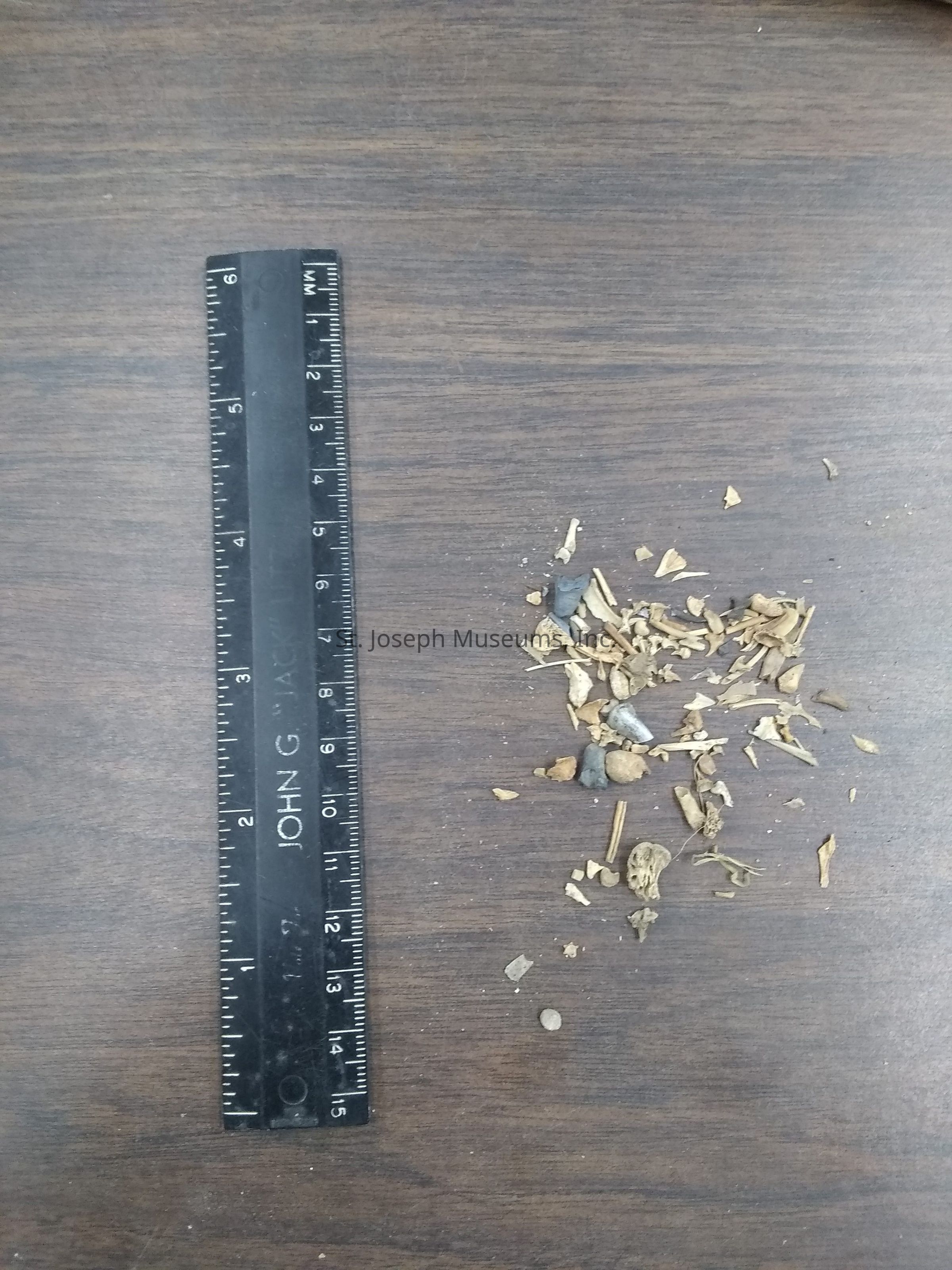
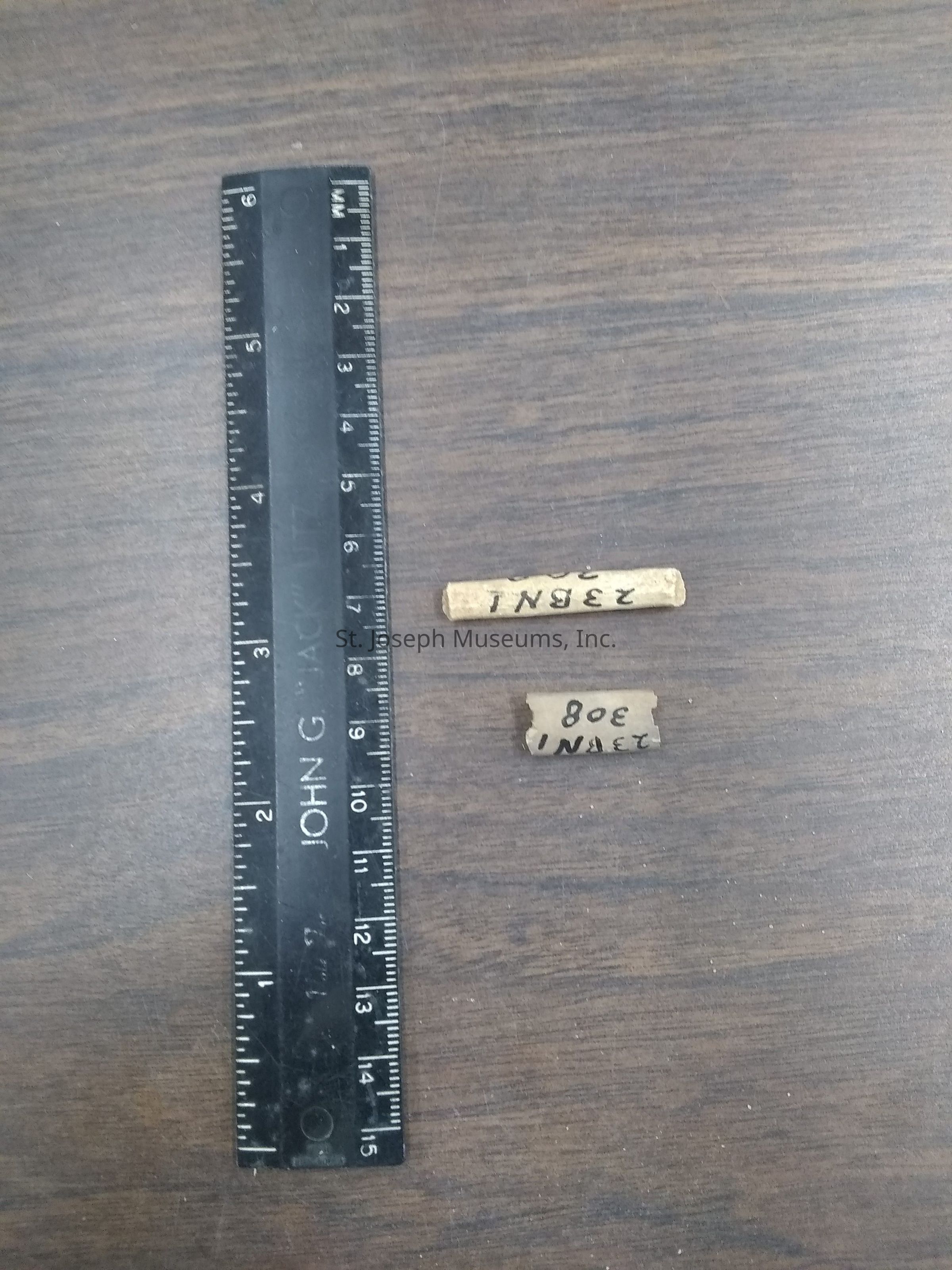
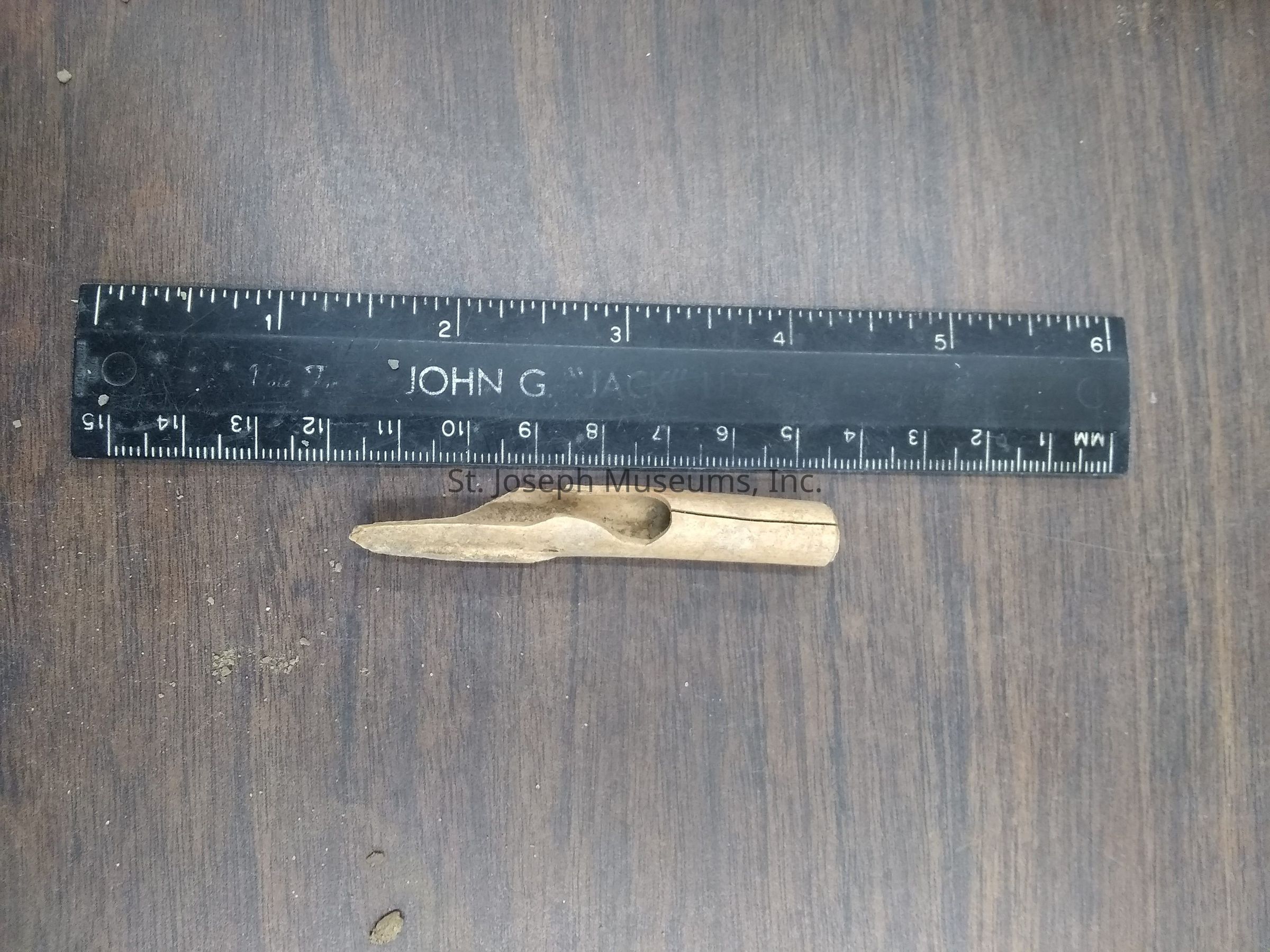
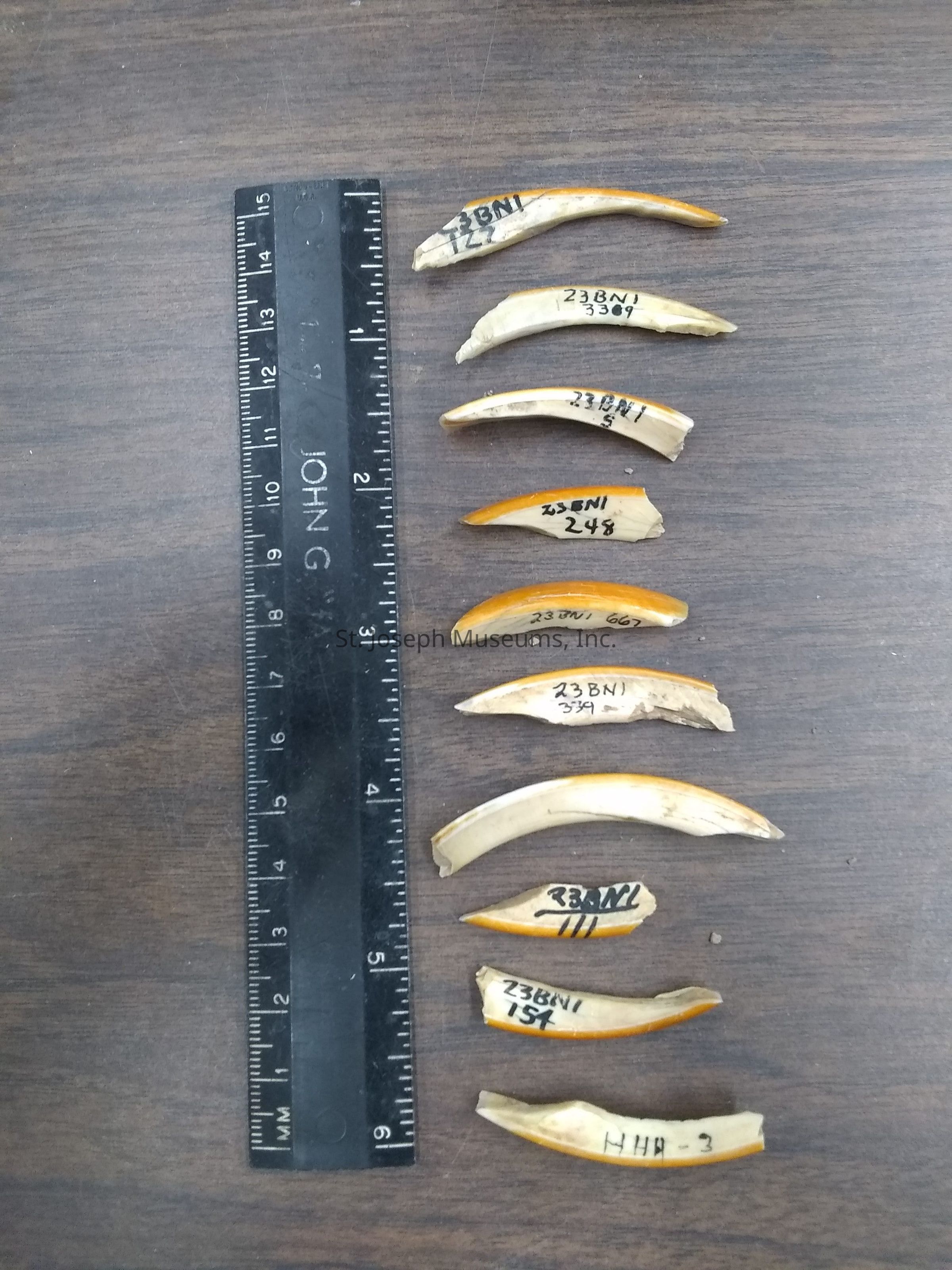
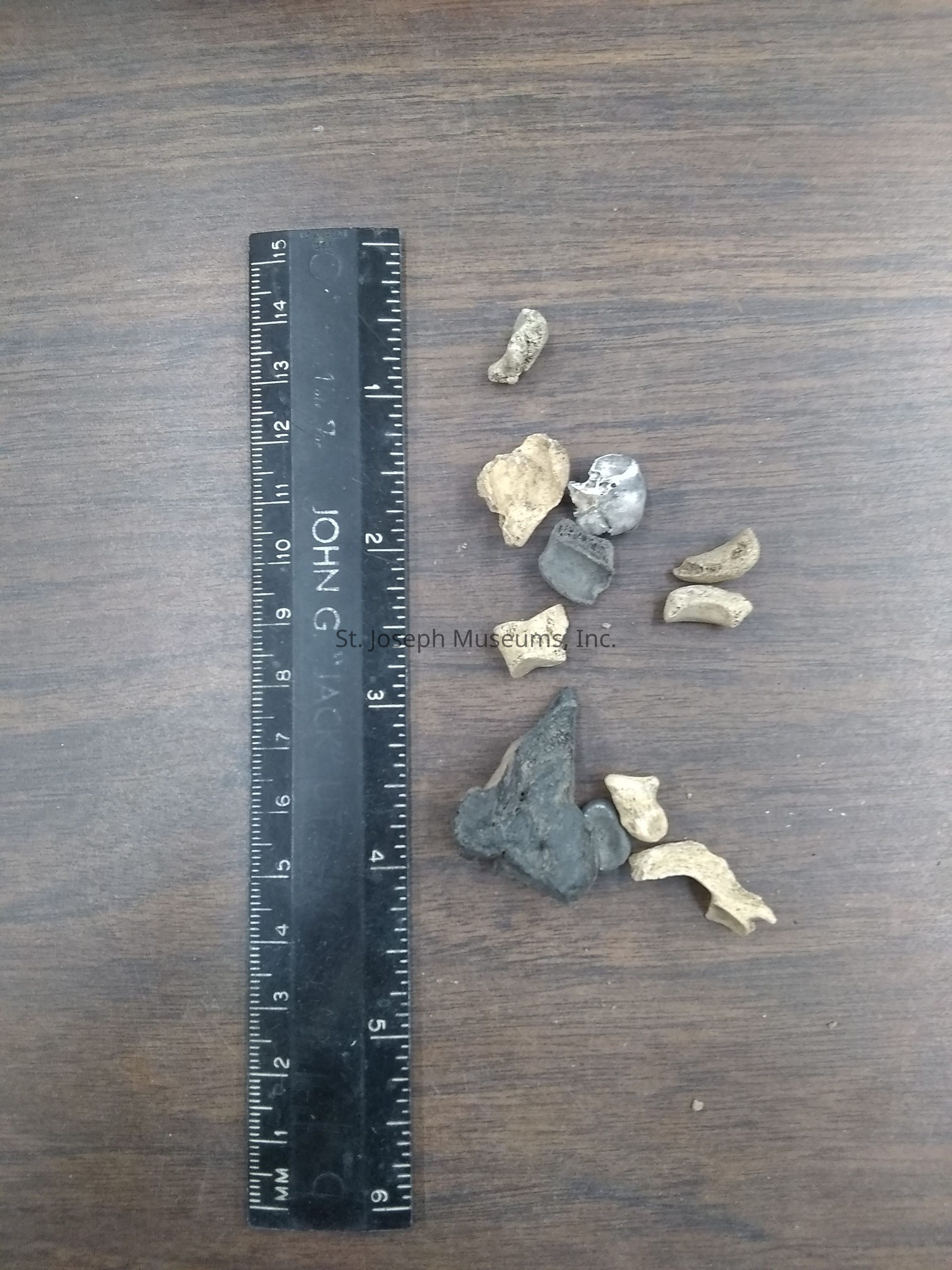
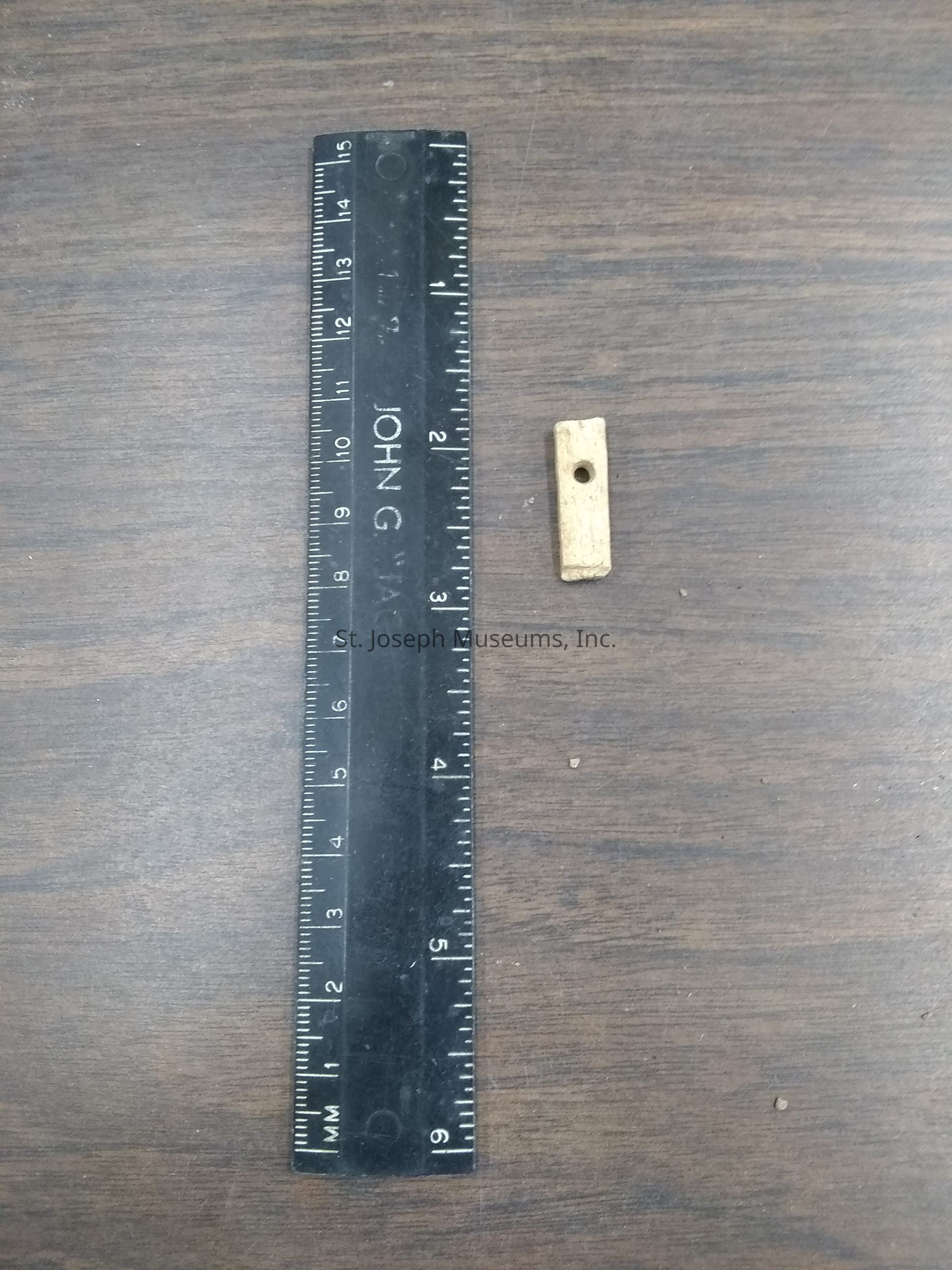
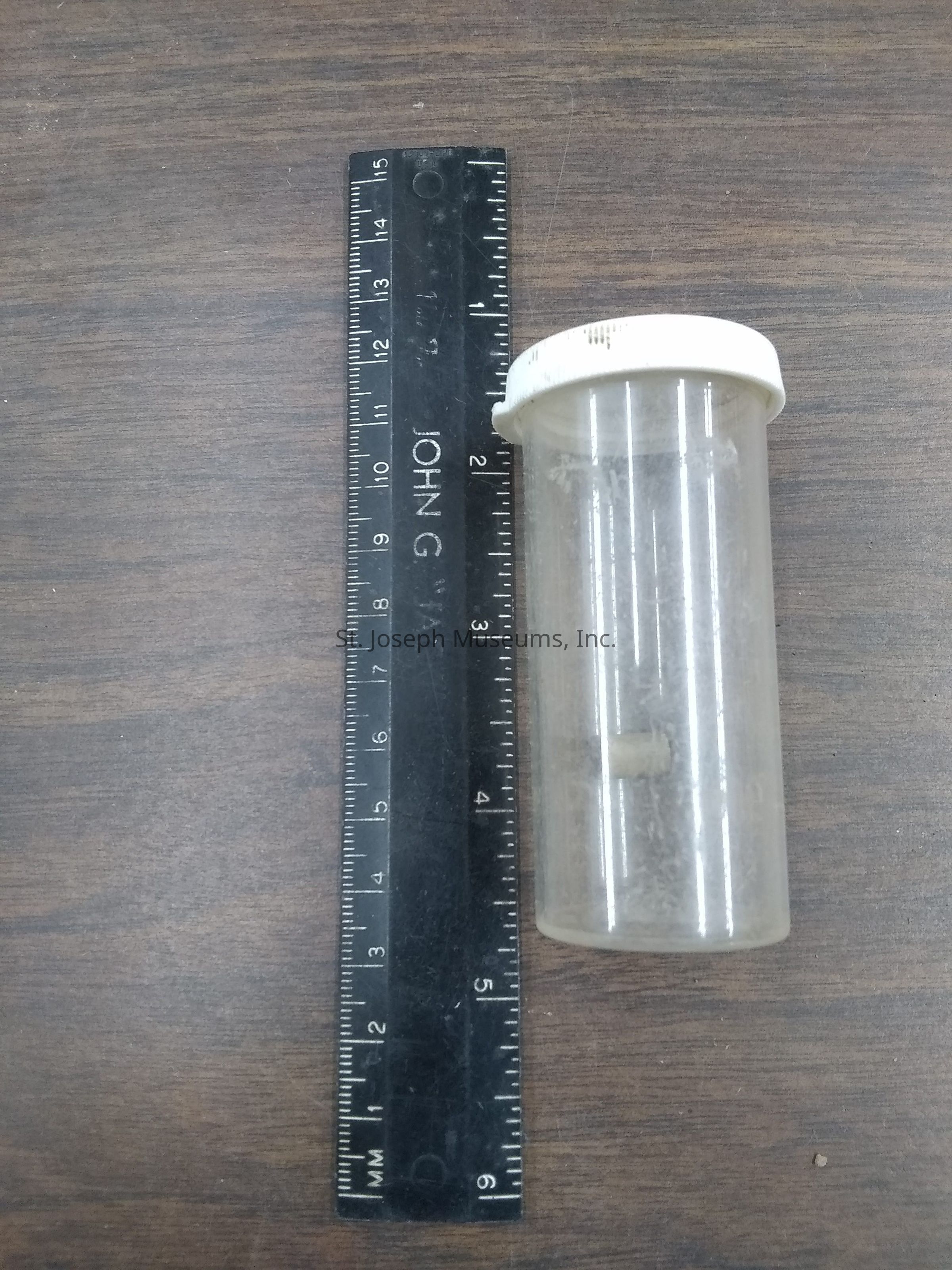
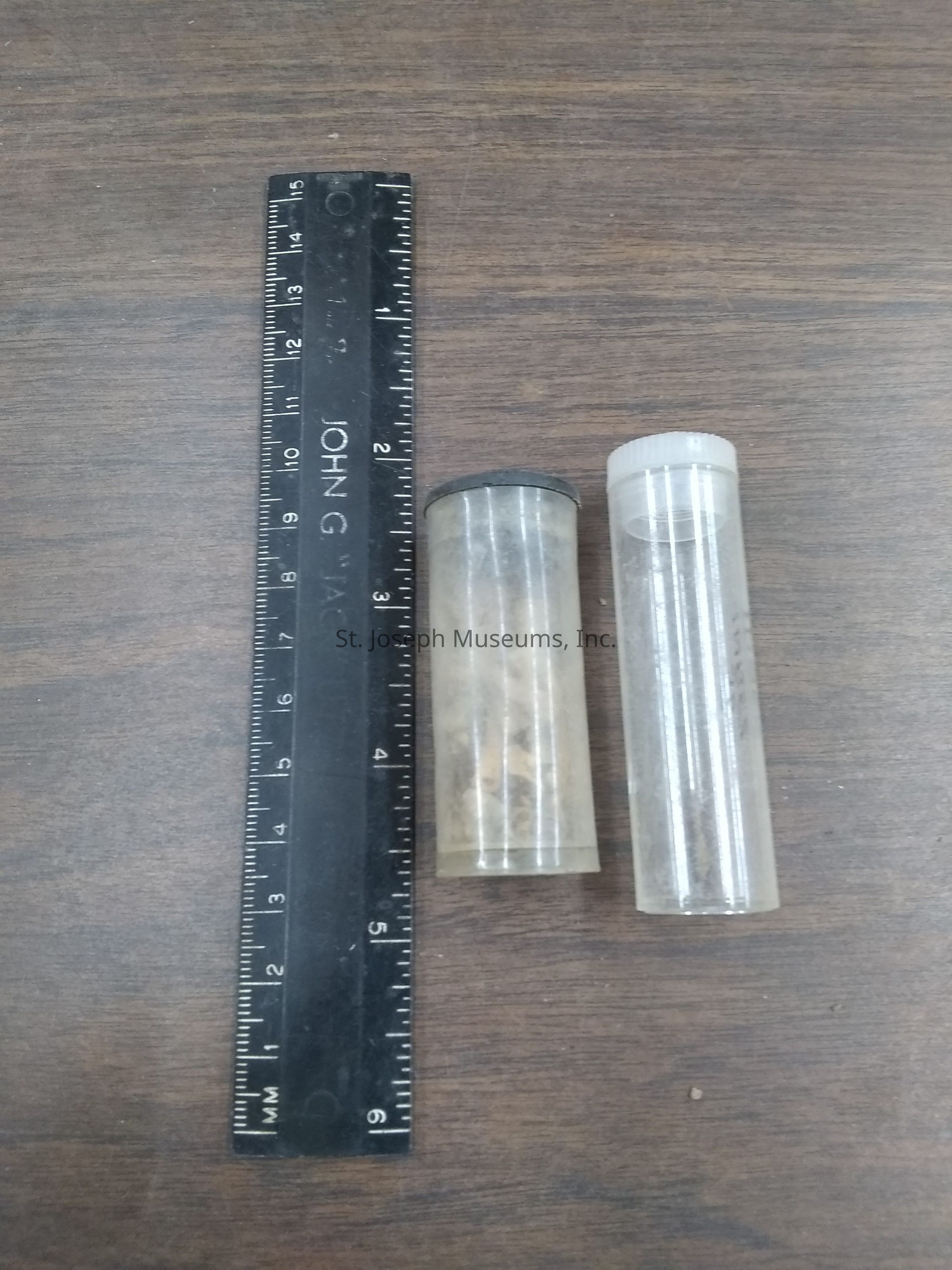
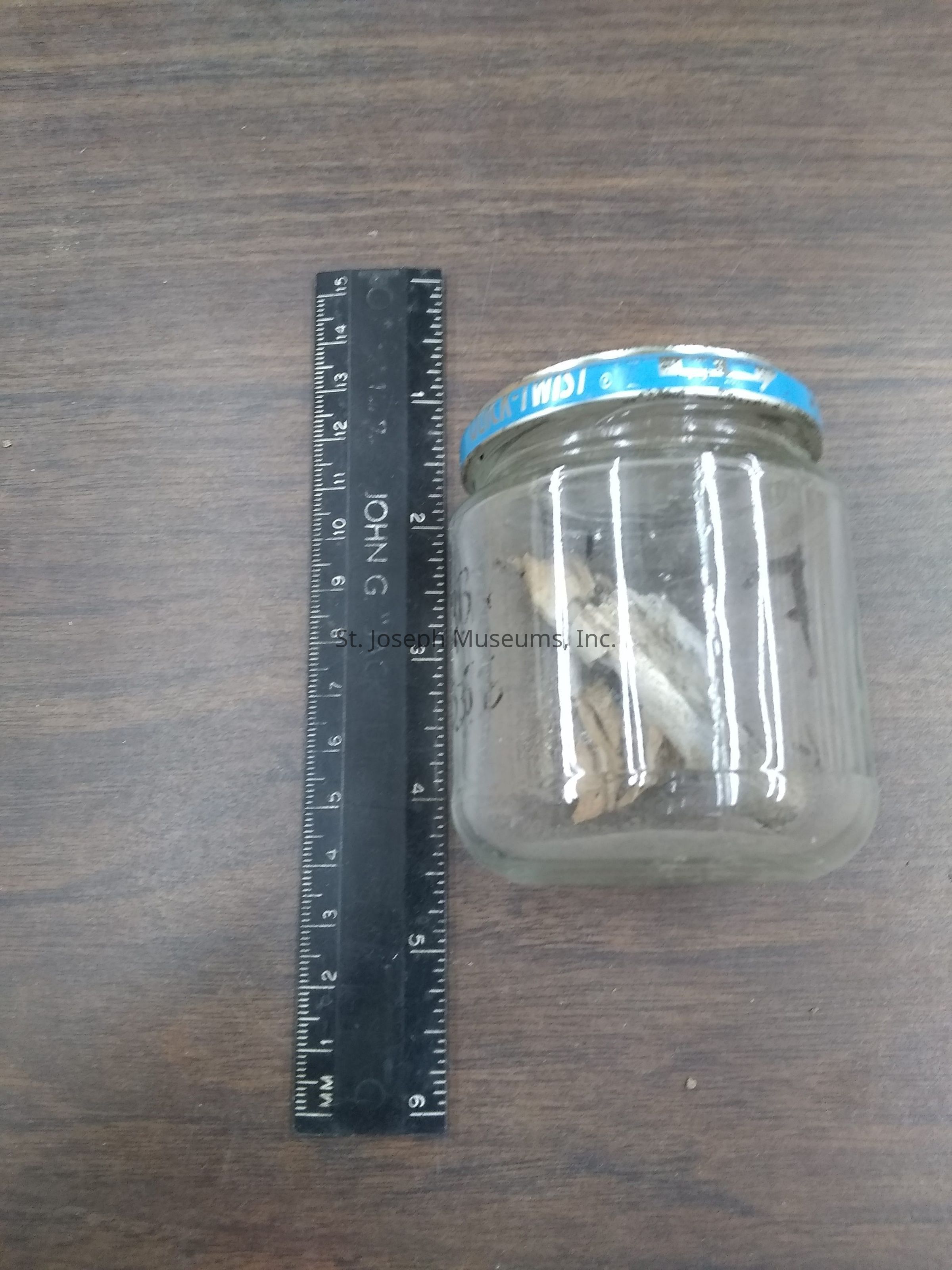
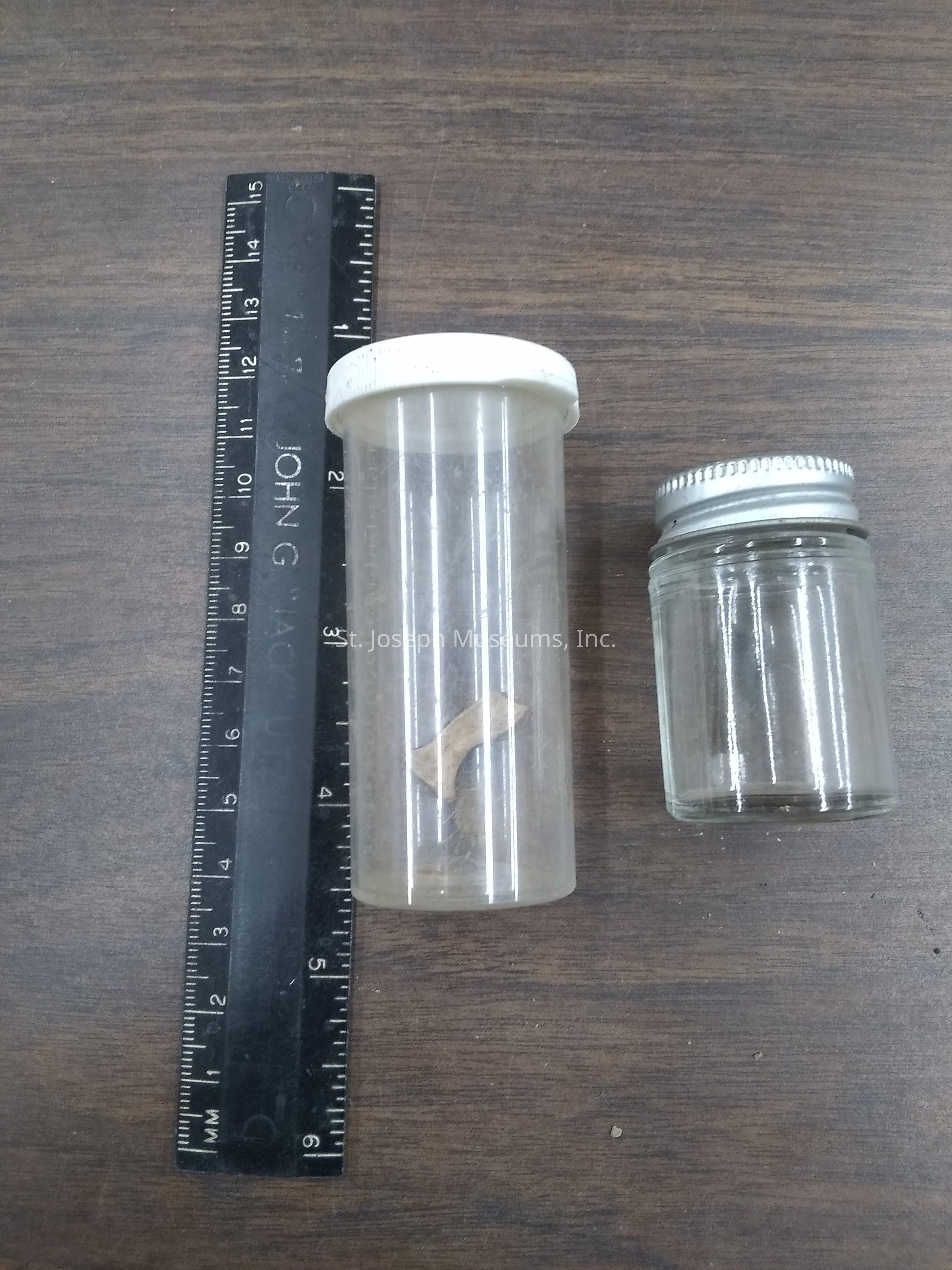
23BN1 King Hill Site 22 Sacks Identifiable fauna bone Misc. Bone Count 1 Bags each have specific information on it. Bag 1 is a ziplock back of miscellaneous bones and one dog figurine (modern) Bag 2 reads: Bag #278: Un ID Bone. Bag 3 has no additional information on it. Bones have several artifact numbers on them. Bag 4 reads: Bag #278: ID Bone Bag 5 reads: Bag #285: Bone Bag 6 reads: Bag #284: Bone Bag 7 reads: 721; Sq 14, MZ 1 Bag 8 reads: 23BN1 ID Bone Bag 9 reads: 23BN1; Bag #673. S. Holen; 7/25/72. Sq 4, Level 12. 60"-66". ID Bone. Sorted 9/14/72 by R. Wall. Bag 10 reads: 23BN1 Bag #820. N.S. King; 8/11/72. Sq 13, Level MZ 1-10A. Artifact Bag 11 reads: 23BN1 Bag #696. Sq 13, Level PZ. 1st Nat Strat Unit. Body Sherd. H. Withers Bag 12 reads: 23BN1. Bag #574. J. Ludwickson; 7/12/72. Sq 2, Level 13. 54"-57". ID Bone under 1/4". Sorted October 18, 1972 by J. Ludwickson Bag 13 reads: Artifact. 23BN1. 308 Bag 14 reads: Artifact. 23BN1. 304 Bag 15 reads: Beaver incisor, worked? (beaver incisors are marked with various artifact numbers which are included in the list below). Contains a bag that reads: 23BN1. Bag #756. 8/7/72. Sq 3, Level MZ 1-5. ID Bone Bag 16 reads: Bone artifact. 23BN1. 327 Bag 17 is a vial with artifact number 305. Bag 18 is a vial with artifact number 25 Bag 19 is a glass jar with artifact number 338 and reads Sq F Level 3 Bag 20 and 21 are unlabeled jars. Bag 22 is a bag labeled Human. This ID has been verified and have been removed from bag for future repatriation.Use
Archaeological ExcavationContext
Archaeological Excavation From King Hill SiteCollection
23BN1Ethnography
Cultural Region
Location
23 BN 1County
Buchanan CountyState/Province
MissouriCulture/Tribe
Kaw Nation
Native American