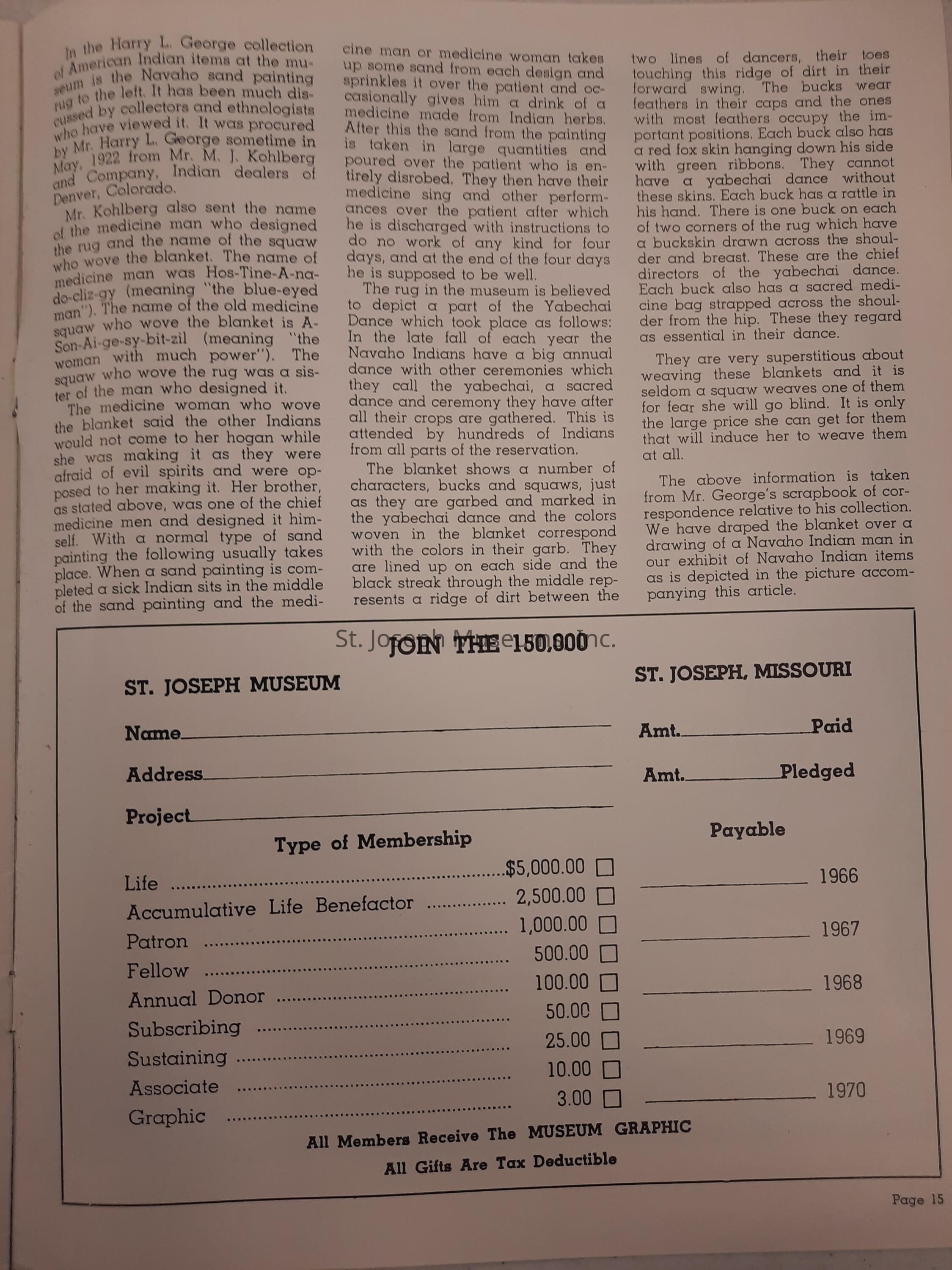
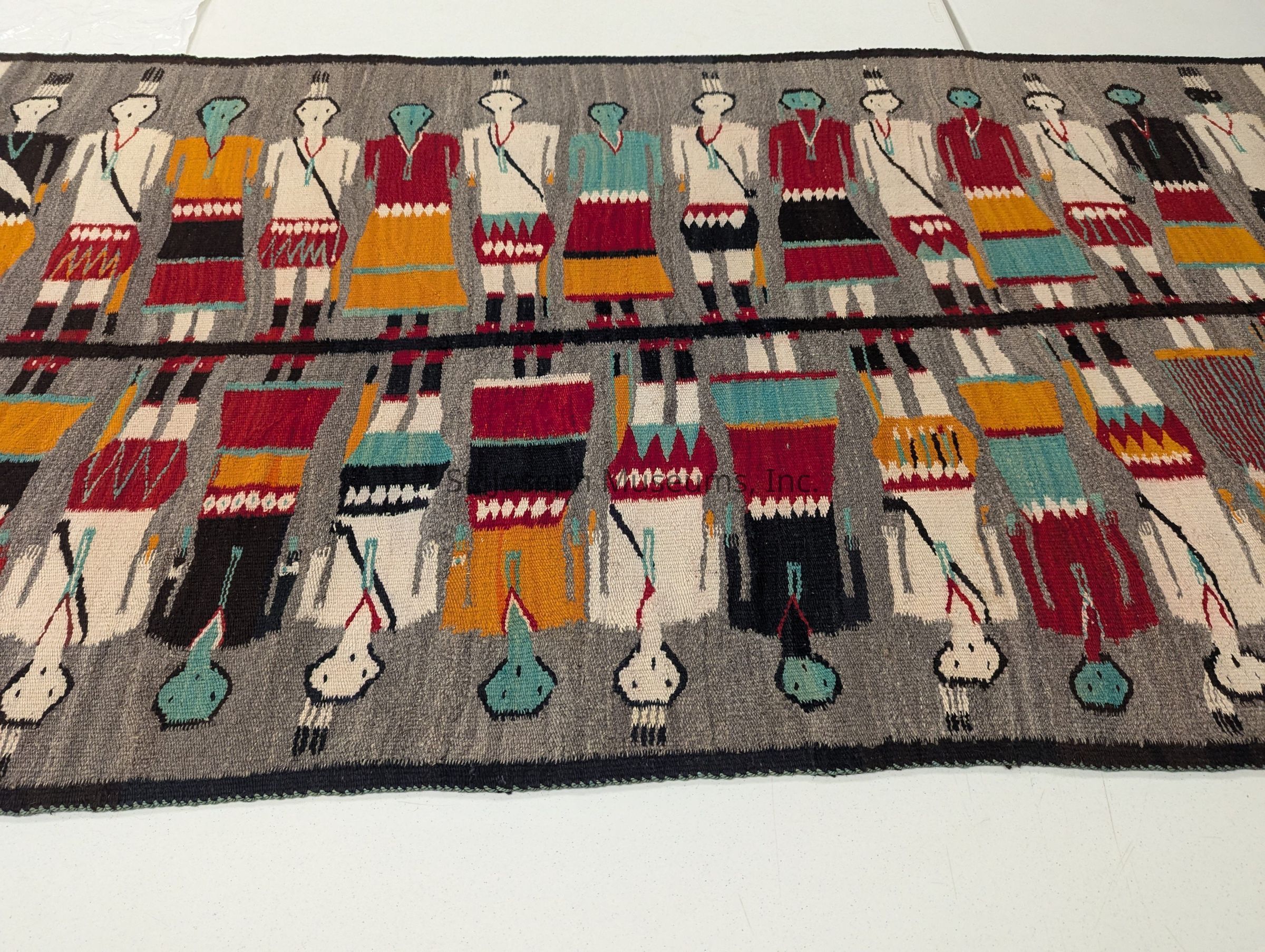
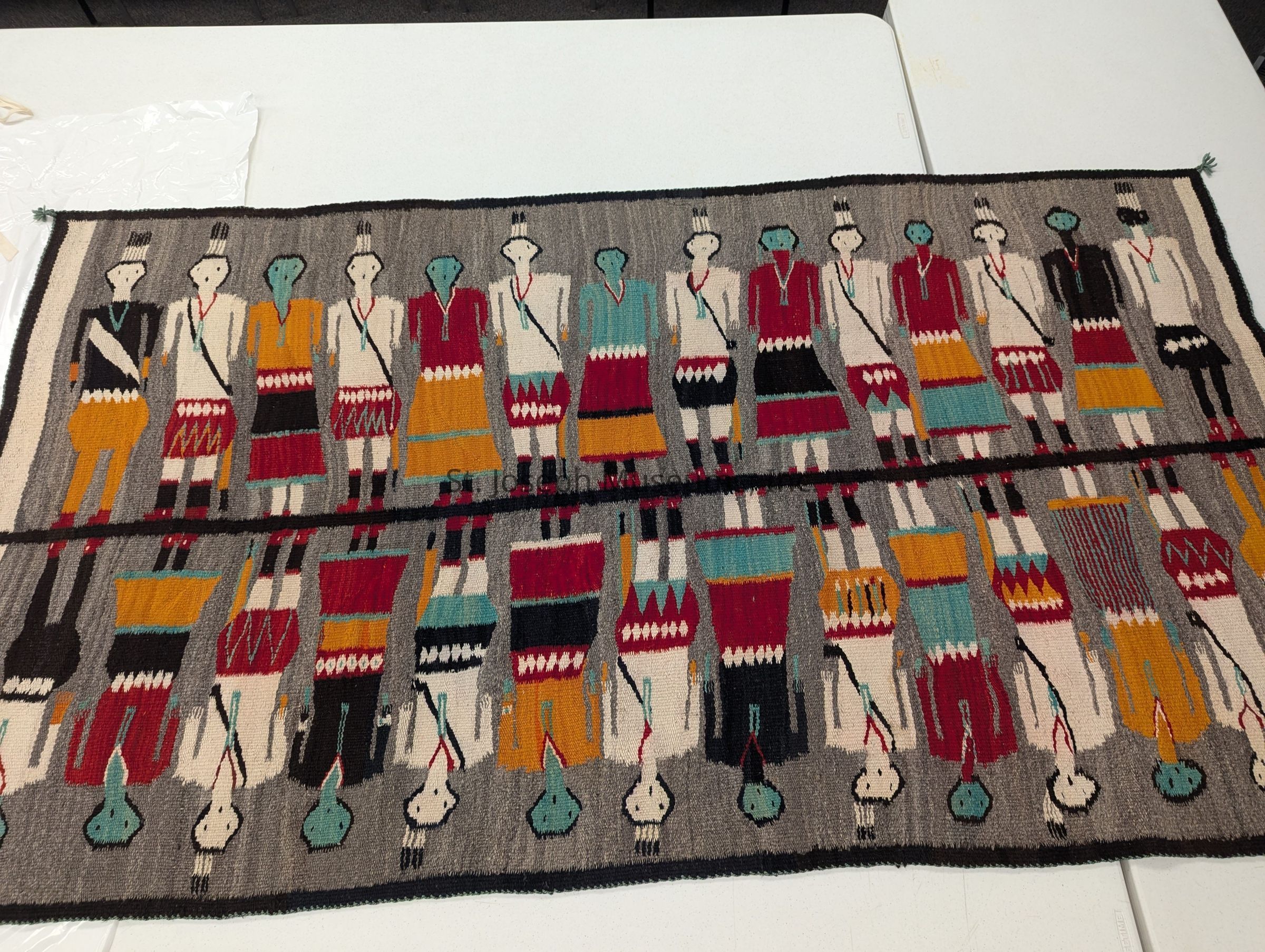
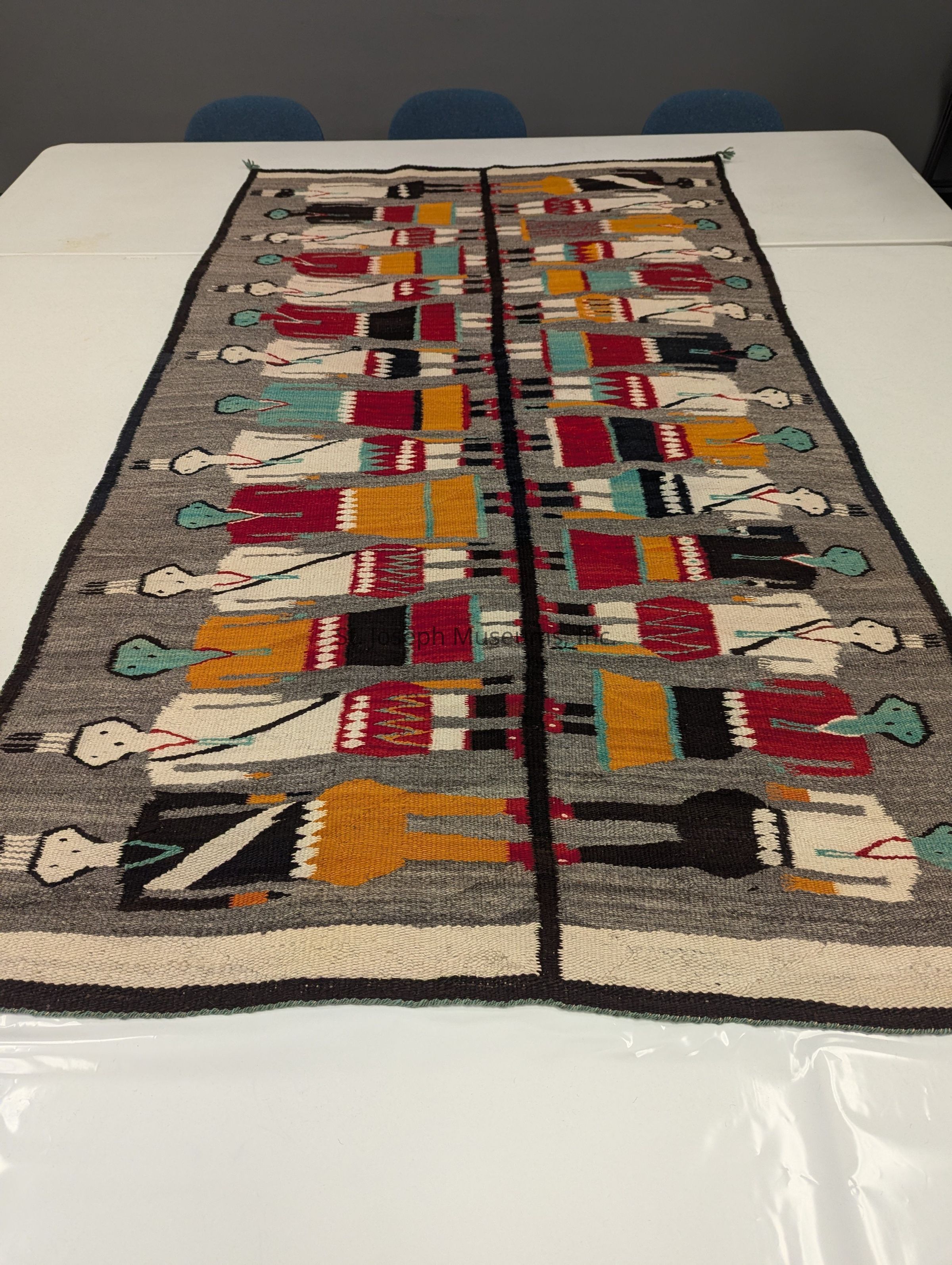
BLANKET

Object/Artifact

-

St. Joseph Museums

Name/Title

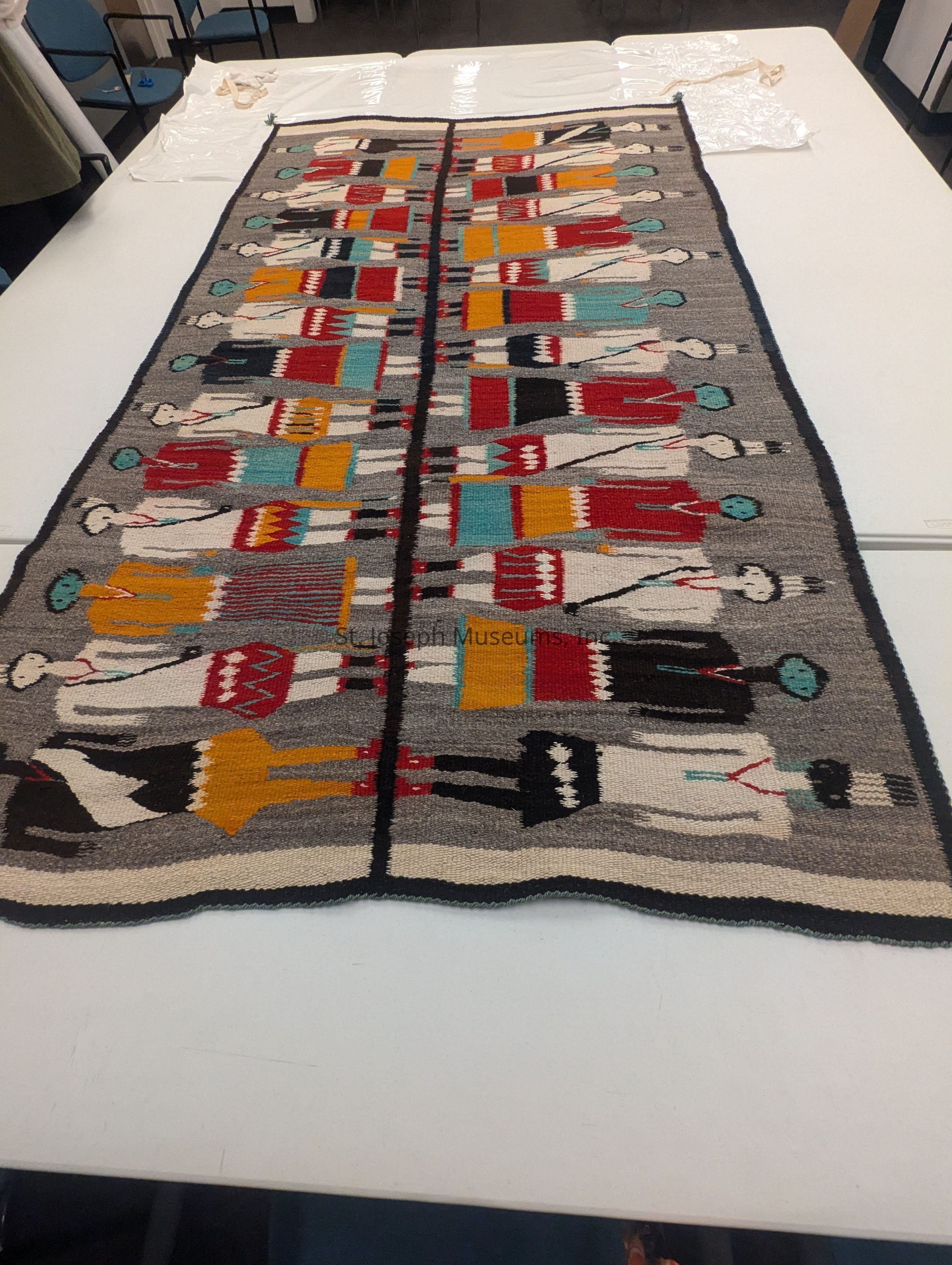
BLANKET

Entry/Object ID

143/NO #

Description

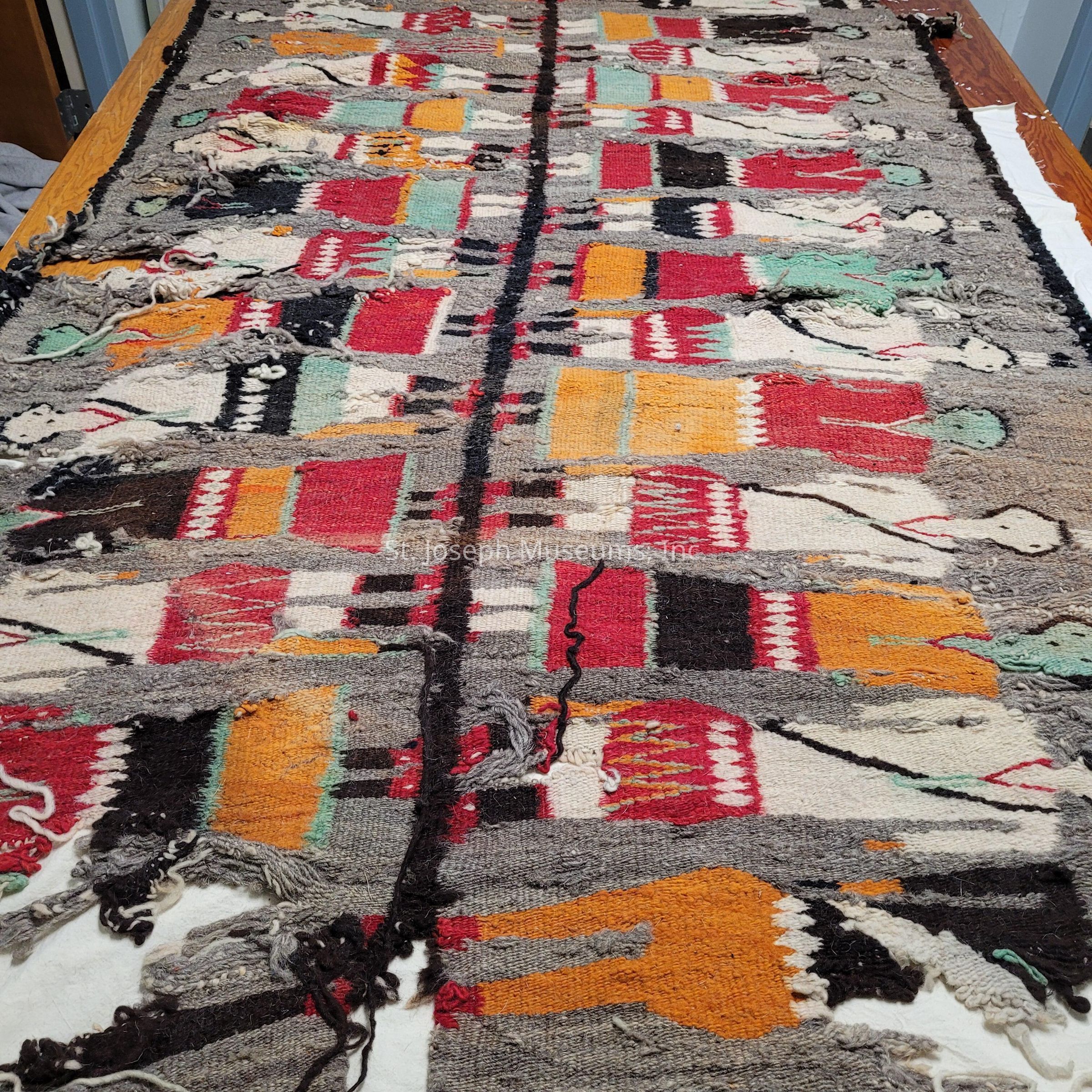
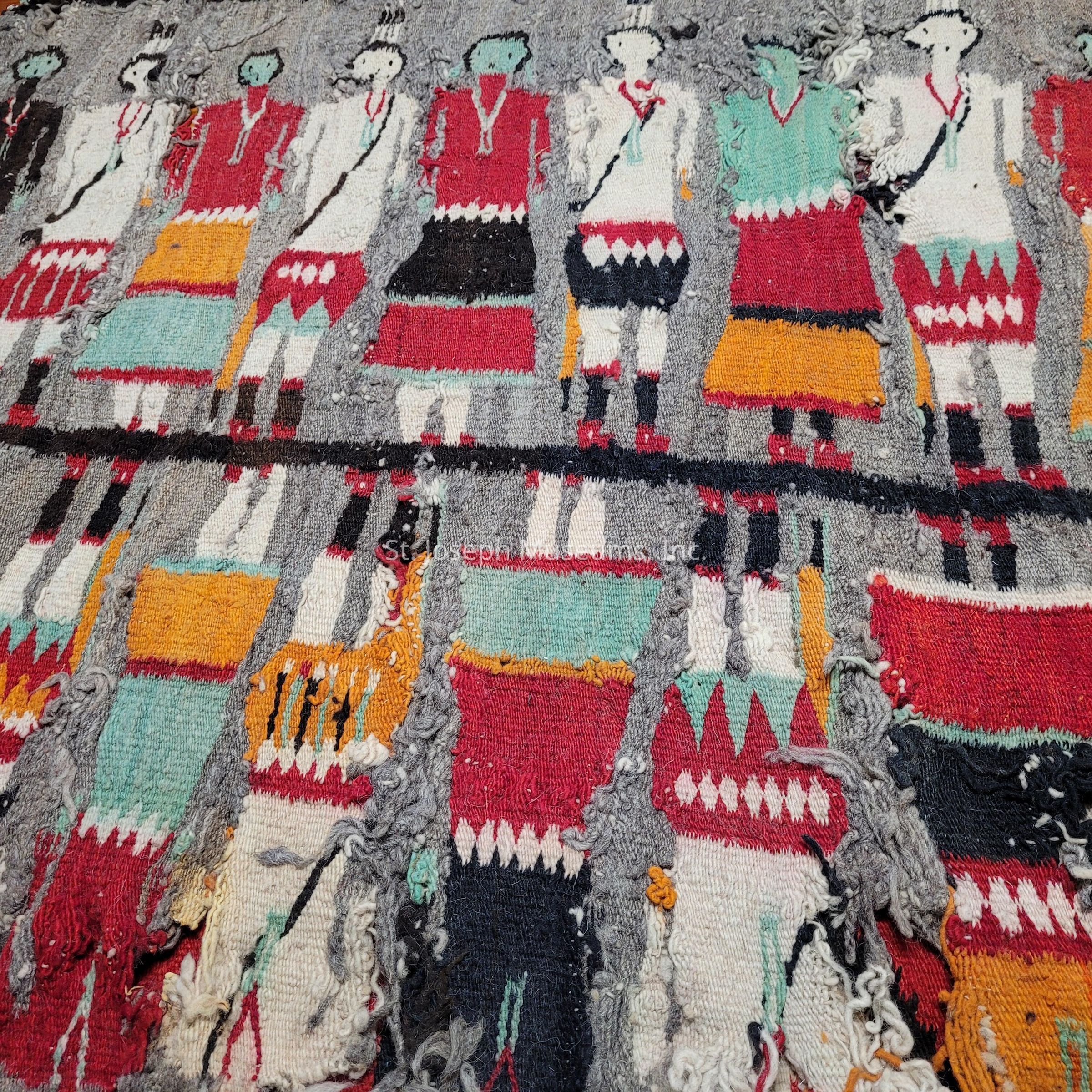
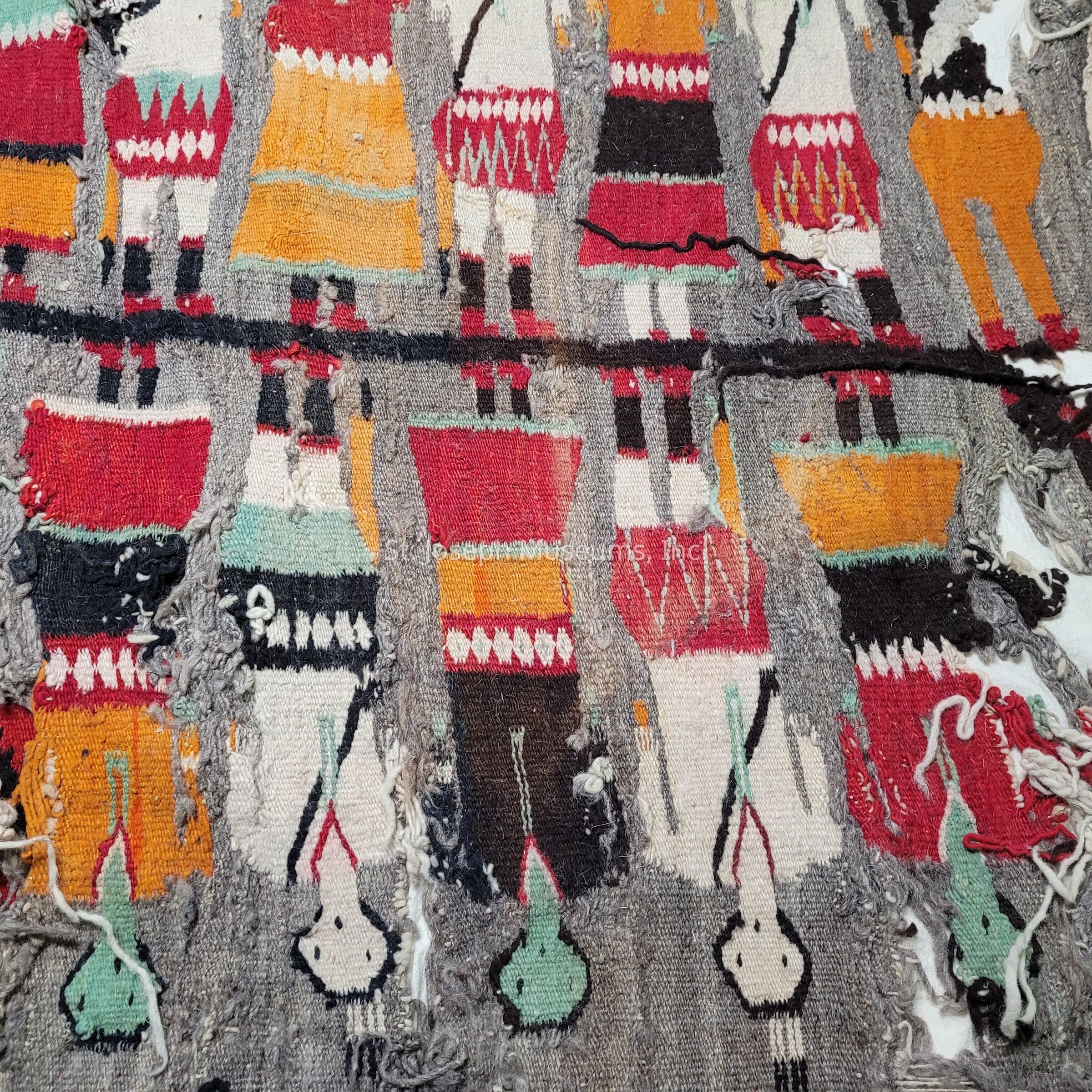
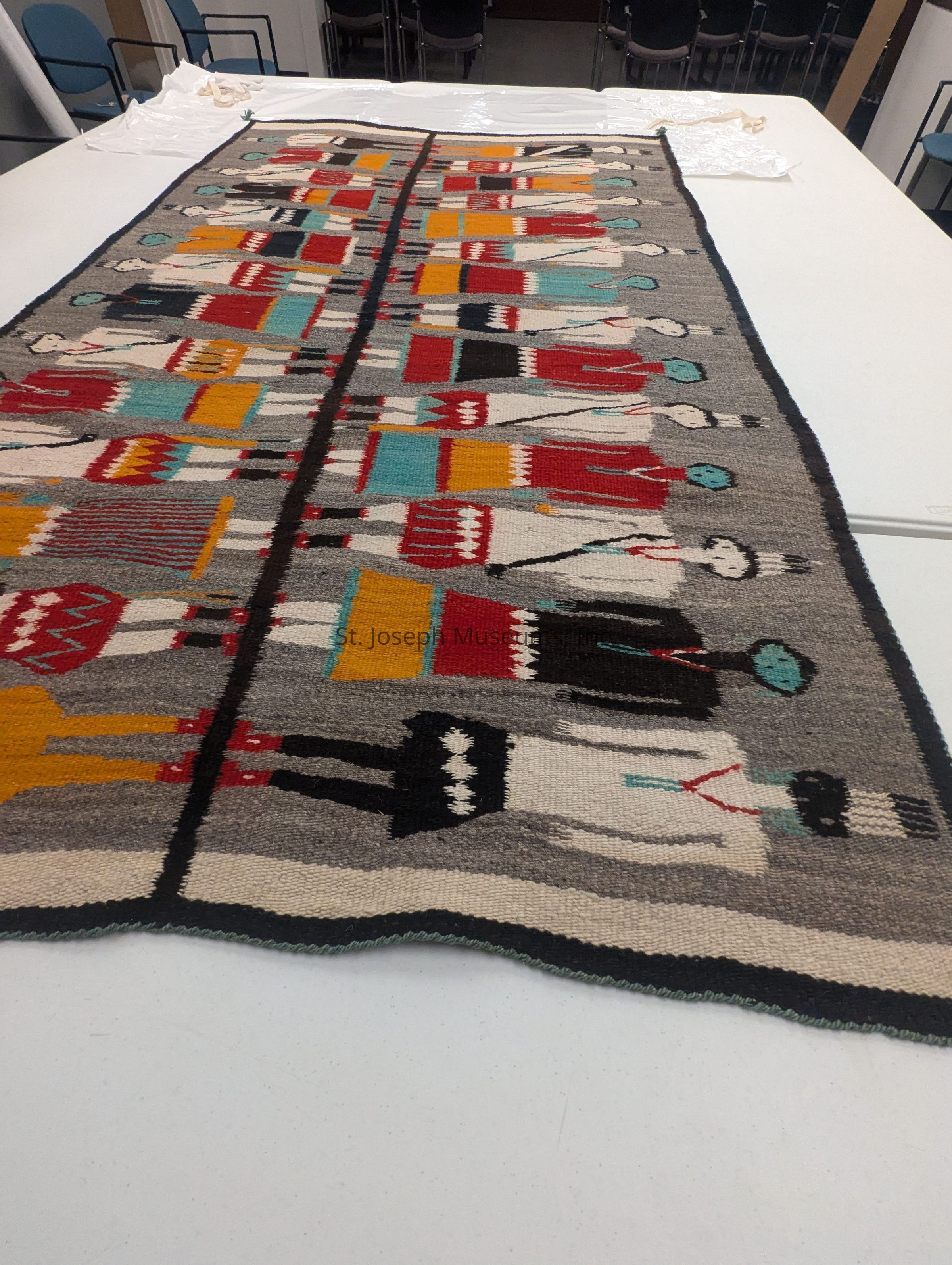
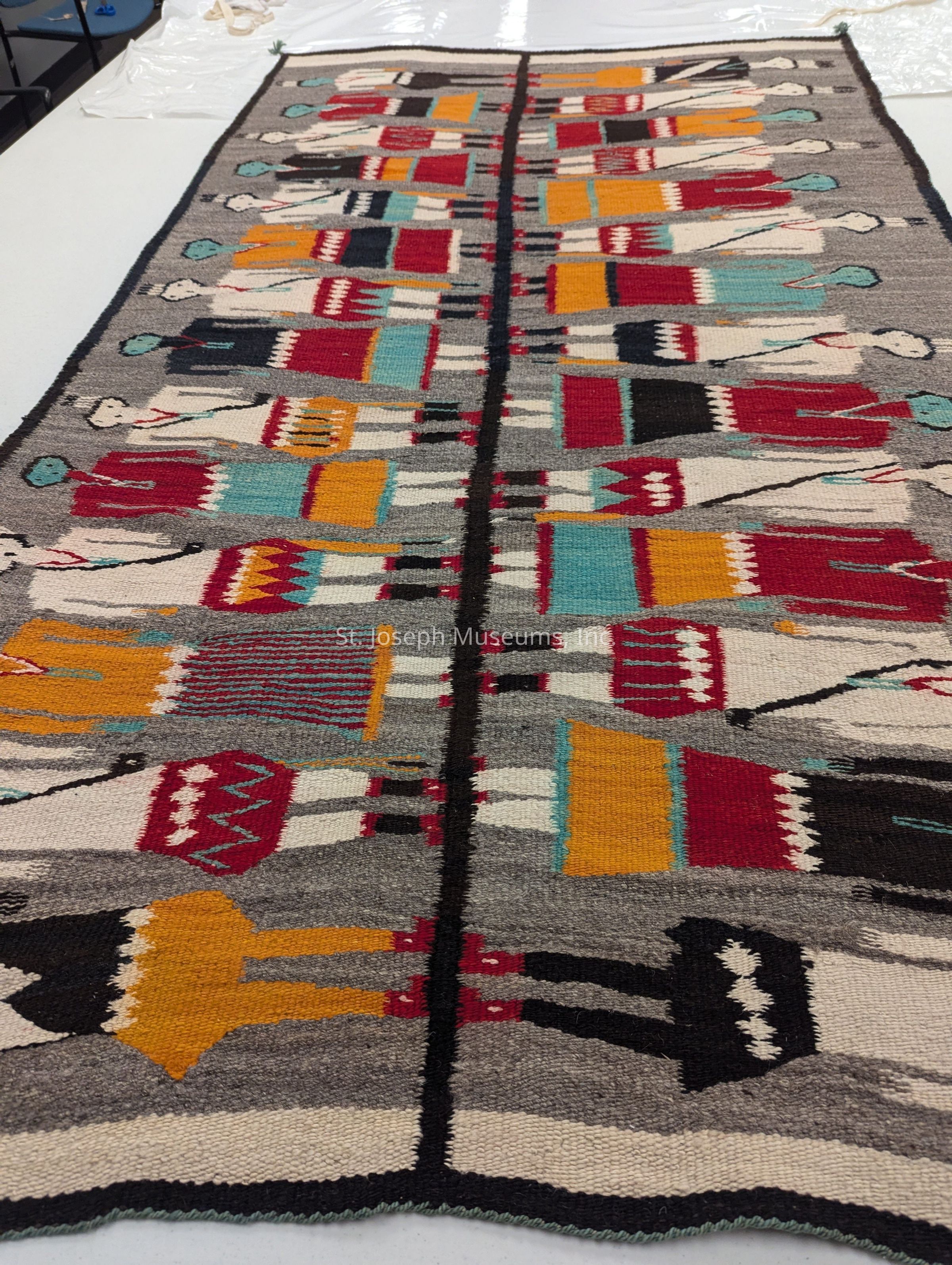
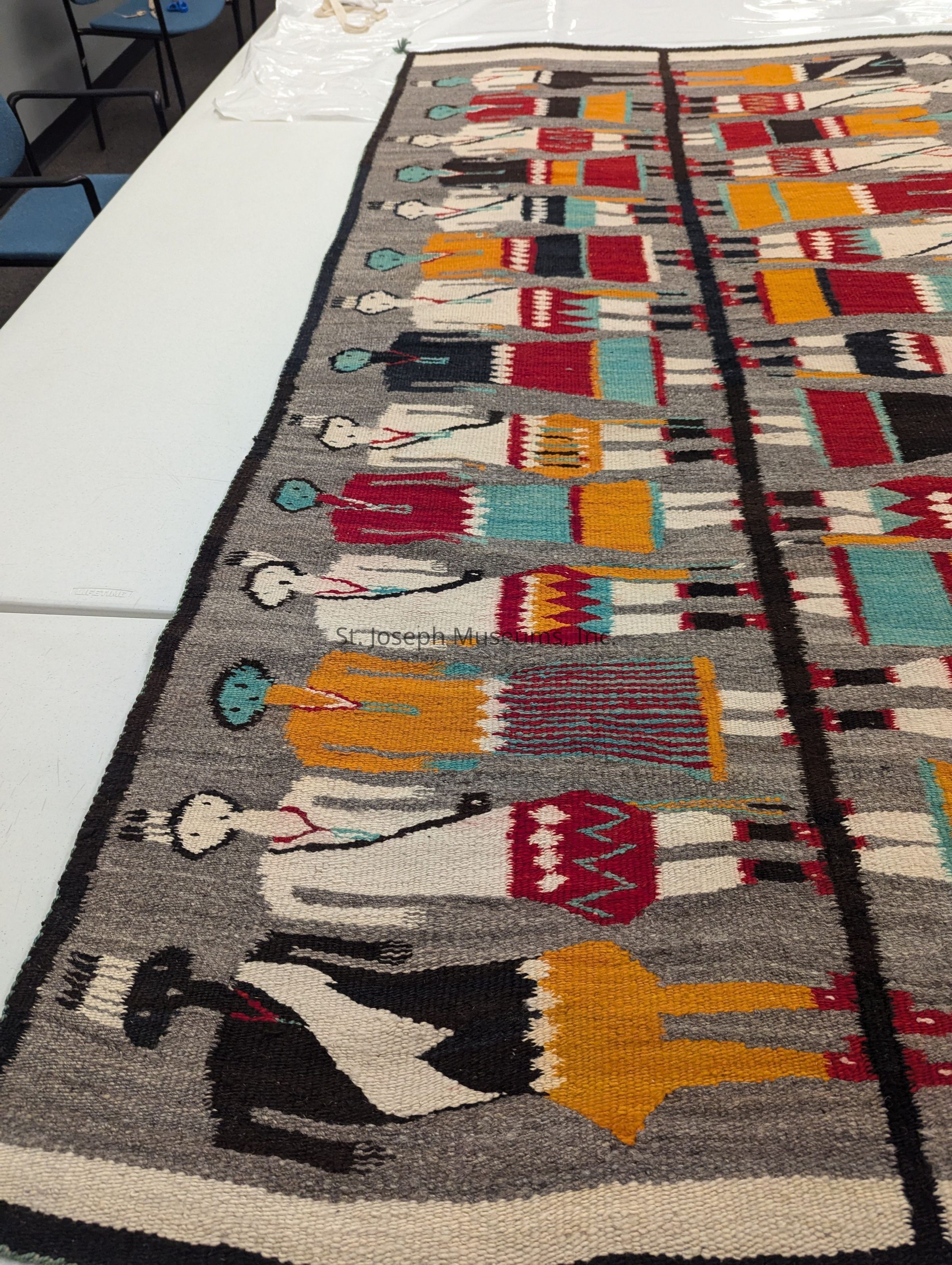
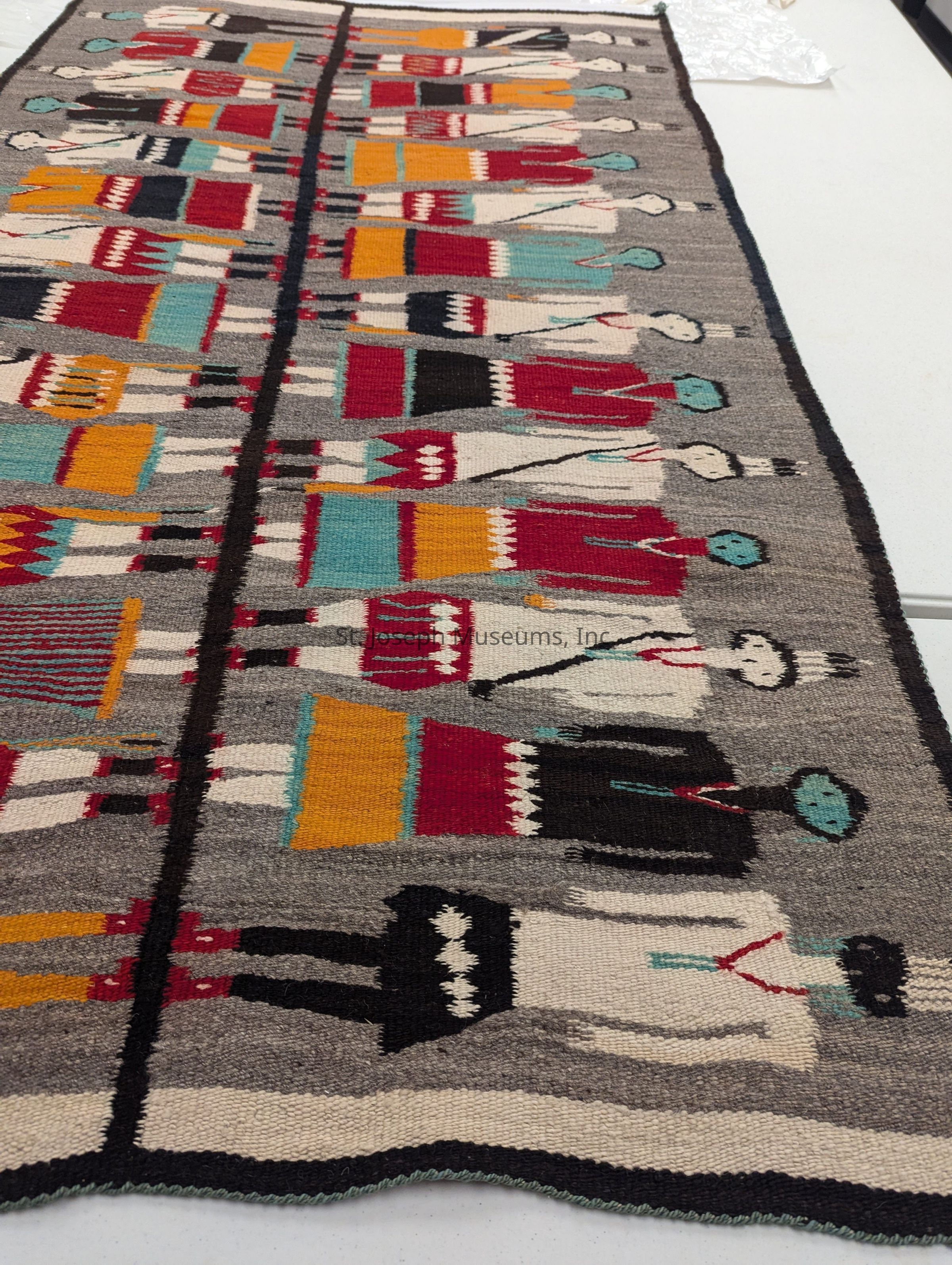
28 YEI FIGURES/2 PIECES SEWN TOGETHER.

Use

BLANKET OR RUG MADE FOR SALE IN THE CURIO TRADE

Context

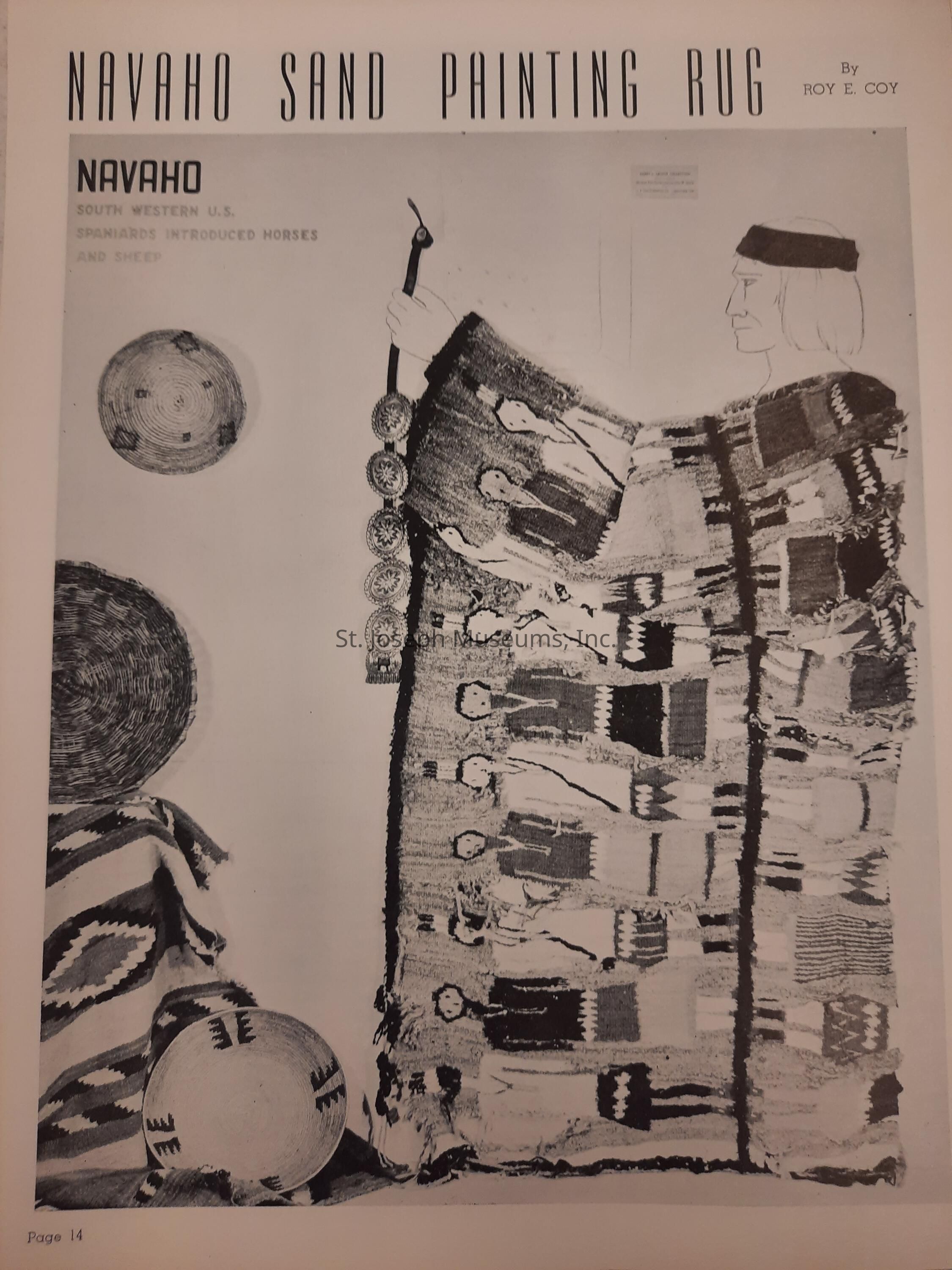
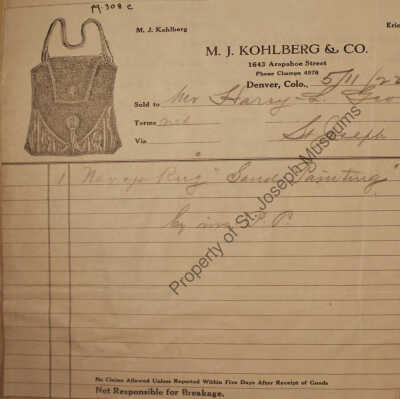
THIS WAS CALLED A "SAND PAINTING" BLANKET BY THE SELLER, M. J. KOHLBERG, HOWEVER IT IS MORE ACCURATELY CALLED A YEII BA CHAII TEXTILE AS THESE ARE DANCERS NOT GODS. TEXTILE WOVEN BY "WOMAN WITH GREAT POWER".

Collection

NATIVE AMERICAN

Made/Created

Artist Information

Artist

"WOMAN WITH GREAT POWER"

Role

Artist

Date made

1920

Time Period

20th Century

Place

Continent

North America

Notes

Dr Laurie Webster, an expert in Southwestern Native American looked at the info and pictures of this textile in July 2022 which she calls a Yei rug, not a sand painting textile. Yei rugs depicted deities and hence were still sacred to the NavaJo. She dates the rug to 1920 which I would agree with. Robert Corder MD, researcher.

Ethnography

Cultural Region

Region

Four Corners Region

Country

United States of America

Culture/Tribe

Navajo
Native American

Notes

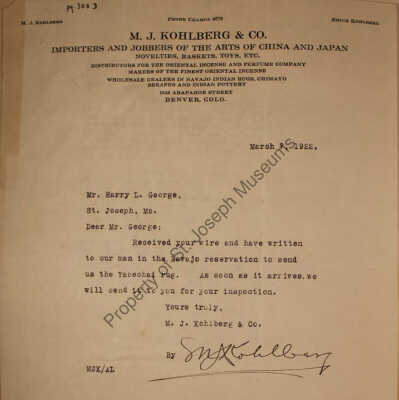
PURCHASED FROM KOHLBERG OF DENVER 5/11/1922 FOR $150

Lexicon

Nomenclature 4.0

Nomenclature Primary Object Term

Blanket

Nomenclature Class

Bedding

Nomenclature Category

Category 02: Furnishings

Parts

Count

1

Condition

Overall Condition

Poor

Provenance

Notes

SEE ABOVE: PURCHASED FROM KOHLBERG OF DENVER FOR $150.00 RLC 6/28/2024

Research Notes

Research Type

Curator

Person

Sara Wilson

Date

Mar 13, 2022

Notes

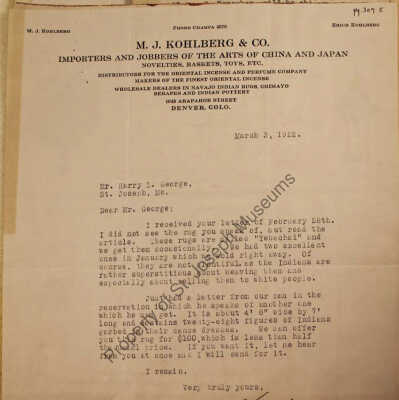
Letters and an invoices from the Harry L. George Ledgers from M. J. Kohlberg in Denver, CO. HLG Ledger Vol. 1 regarding the purchase of a Navajo Yei Be Chi blanket from a native female artisan on the Navajo reservation for $150. The native artist negotiated increasing the price by $50 according to Mr. Kohlberg. Kohlberg states that the blanket is unique in that it represents 28 Yei figures, which he has never seen before. Also says the blanket is approximately 4 foot 8 inches wide by 7 foot long. https://harrylgeorgecollection.omeka.net/items/show/2124 https://harrylgeorgecollection.omeka.net/items/show/2123 https://harrylgeorgecollection.omeka.net/items/show/2125 https://harrylgeorgecollection.omeka.net/items/show/2122 Mr. Barry Friedman, a blanket expert from Arizona, reviewed the blanket in 2019 and suggested that it resembled blankets made after 1930. However, due to the description in the Harry George ledgers from M. J. Kohlberg, I am inclined to believe this is the blanket purchased by George in 1922. The blanket is loosely woven in comparison to other Yei and Yei Be Chi blankets. It also steps away from tradition by including more figures than most blankets. It would be interesting to find out more about the native artist who created this blanket and negotiated its price. The blanket today is in poor condition, probably in part to its loosely-woven construction and that it likely was on display at the Museum for decades. It would benefit from some conservation. Further research into the orange and teal dyes may lead to more clues. Sara Wilson