Bead
Overview
Description
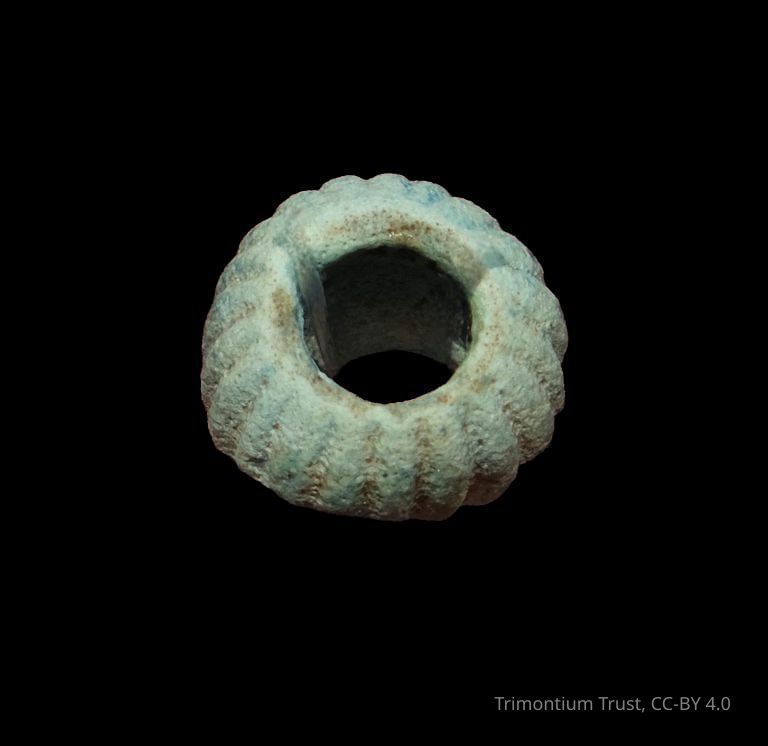
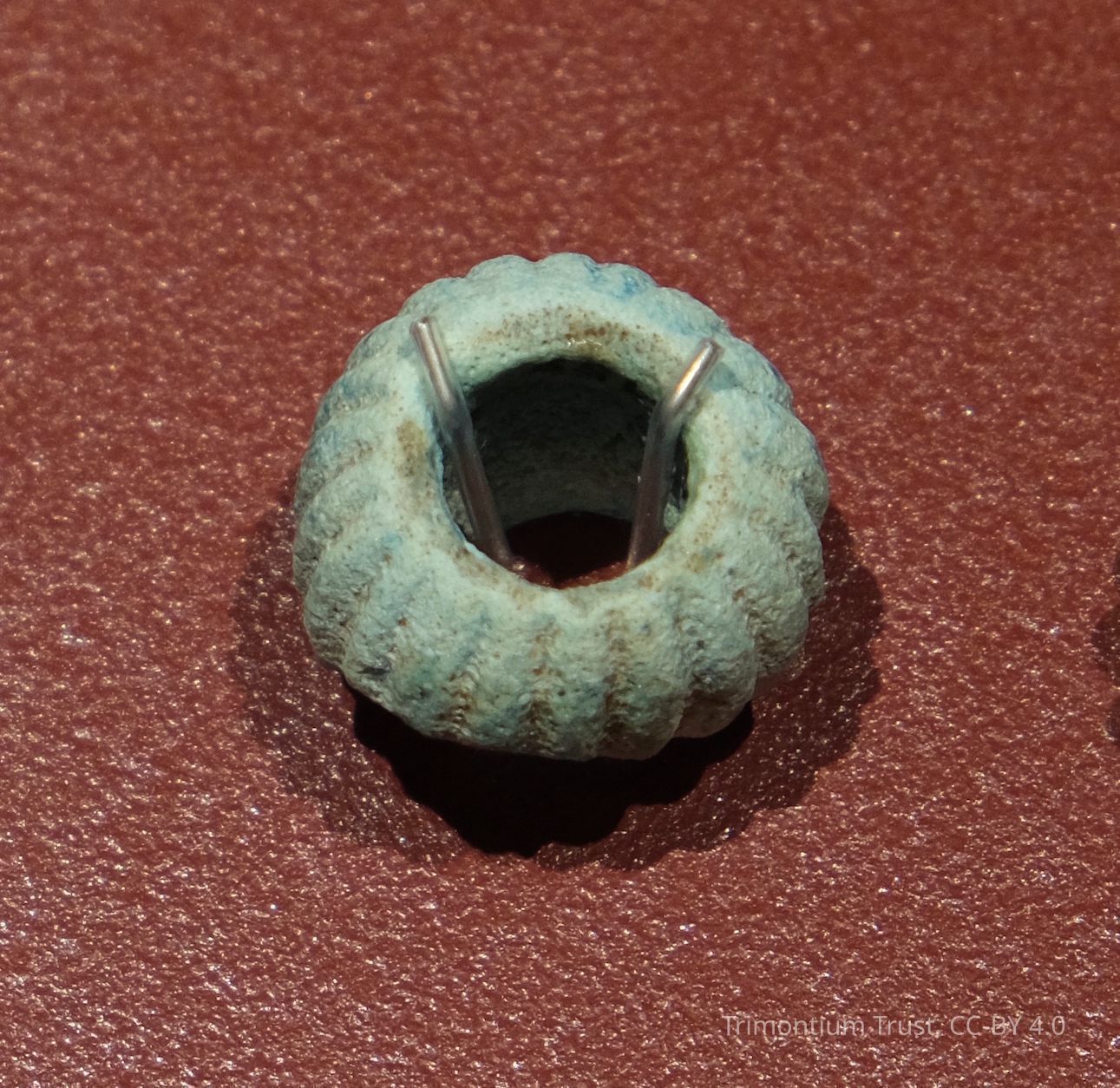
Glass melon bead, part of the Cruickshank collection of finds from Newstead, RoxburghshireContext
The history of the glass bead in the Roman empire began as a status symbol for the wealthy and elite, however by the time the Romans established Trimontium in the late 1st century CE, glass ware was more commonly available and manufactured in large scale. Therefore, it could be procured by different sectors of the population. There were simple pieces widely available and also very specialized types of luxury glass. Bead necklaces were popular in Roman Britain.Collection
National Museums ScotlandUse
May have been used for personal decorative jewellery, such as necklaces or earrings. Melon beads in particular, are found depicted as adornment for horses. They may also have been used by soldiers to secure the straps on their helmets.
Category
Jewellery
Acquisition
Accession
X.2000.17.231Source (if not Accessioned)
National Museums ScotlandNotes
Loan - L.2021.220Made/Created
Time Period
1st - 2nd Century ADEthnography
Cultural Region
Continent
EuropeCulture/Tribe
Romano British
Lexicon
Nomenclature 4.0
Nomenclature Secondary Object Term
BeadNomenclature Primary Object Term
NotionNomenclature Sub-Class
Needleworking EquipmentNomenclature Class
Textileworking T&ENomenclature Category
Category 04: Tools & Equipment for MaterialsGetty AAT
Concept
beads (pierced objects)Other Names and Numbers
Name Type
Previous Accesssion NumberOther Name
X.FRA 5159Name Type
Archaeology NumberOther Name
Archaeology Daybook 2000/102Materials
Glass, faience
Colors
Teal
Condition
Overall Condition
GoodExhibitions
Permanent Exhibition