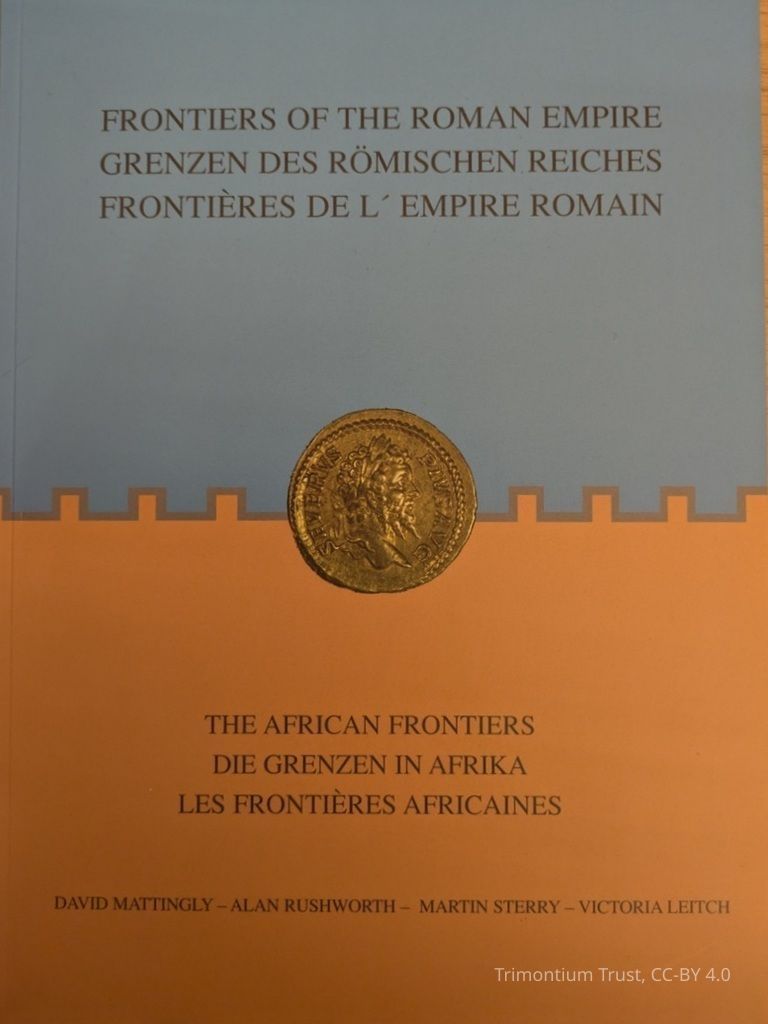
Frontiers of the Roman Empire - The African Frontiers
Overview
Description
This book illustrates the historical and archaeological significance of the African Frontiers of the Roman Empire and provides an up-to-date overview of its many features in the field. The aim of this book is to inform the interested visitor about the history of the frontiers and to act as a guidebook as well. The frontiers of the Roman Empire form the largest surviving monument of one of the world's greatest states, and stretch for around 7500km through 20 countries. The remains of these have been studied for many centuries. Inscriptions, sculpture, weapons, pottery and artefacts created and used by the soldiers and civilians who lived on the frontier form the basis for this history and are outlined in this book. The physical remains of the frontiers are also visible in many parts of Africa, including towers and forts, stretches of defensive lines of stone and earth with ditches broken by gates, and roads.Collection
Coulston LibraryCategory
Book
Books & Paper