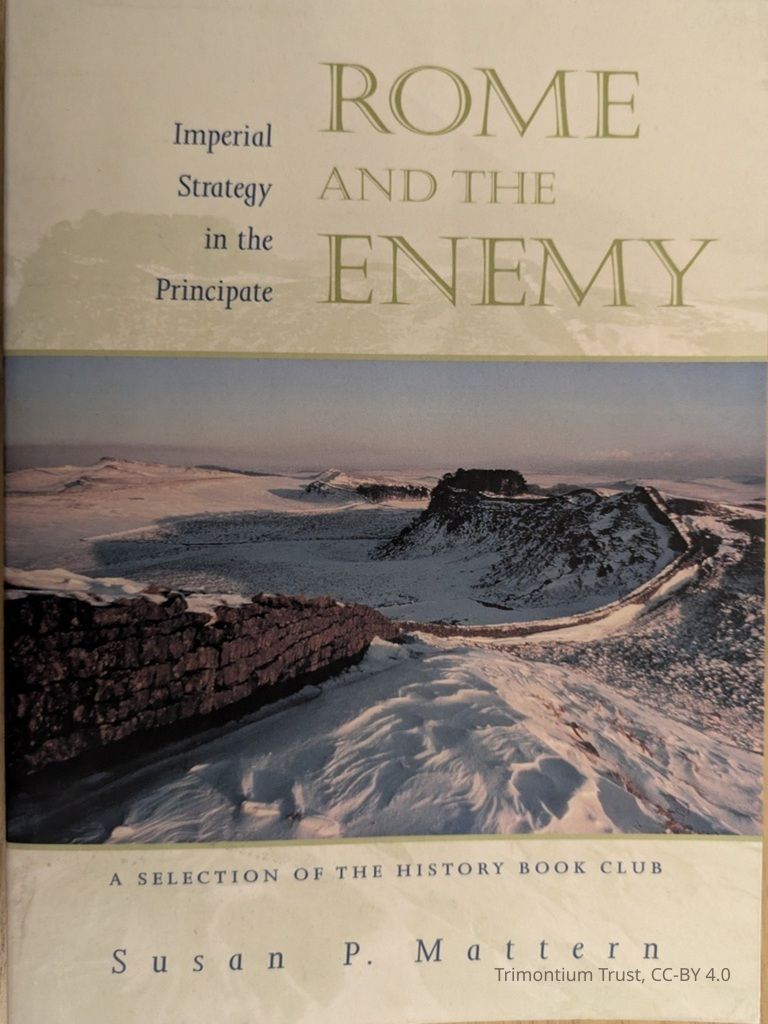
Rome and the Enemy
Overview
Secondary Title
Imperial Strategy in the PrincipateDescription
Rome and the Enemy asks the question - How did the Romans build and maintain one of the most powerful and stable empires in the history of the world? The book draws on the literature, especially the historiography, composed by the members of the elite who conducted Roman foreign affairs. From this evidence, the roots, motivations, and goals of Roman imperial foreign policy especially as that policy related to warfare are re-evaluated. In a major re-interpretation of the sources, Rome and the Enemy shows that concepts of national honour, fierce competition for status, and revenge drove Roman foreign policy, and though different from the highly rationalizing strategies often attributed to the Romans, dictated patterns of response that remained consistent over centuries. The Roman conceptions of geography, strategy, economics, and the influence of traditional Roman values on the conduct of military campaigns are reviewed. The book shows that Roamn leaders were more strongly influenced by a traditional, stereotyped perception of the enemy and a drive to avenge insults to their national honour than by concepts of defensible borders. In fact, the desire to enforce an image of Roman power was a major policy goal behind many of their most brutal and aggressive campaigns.Collection
Coulston LibraryCategory
Book
Books & Paper