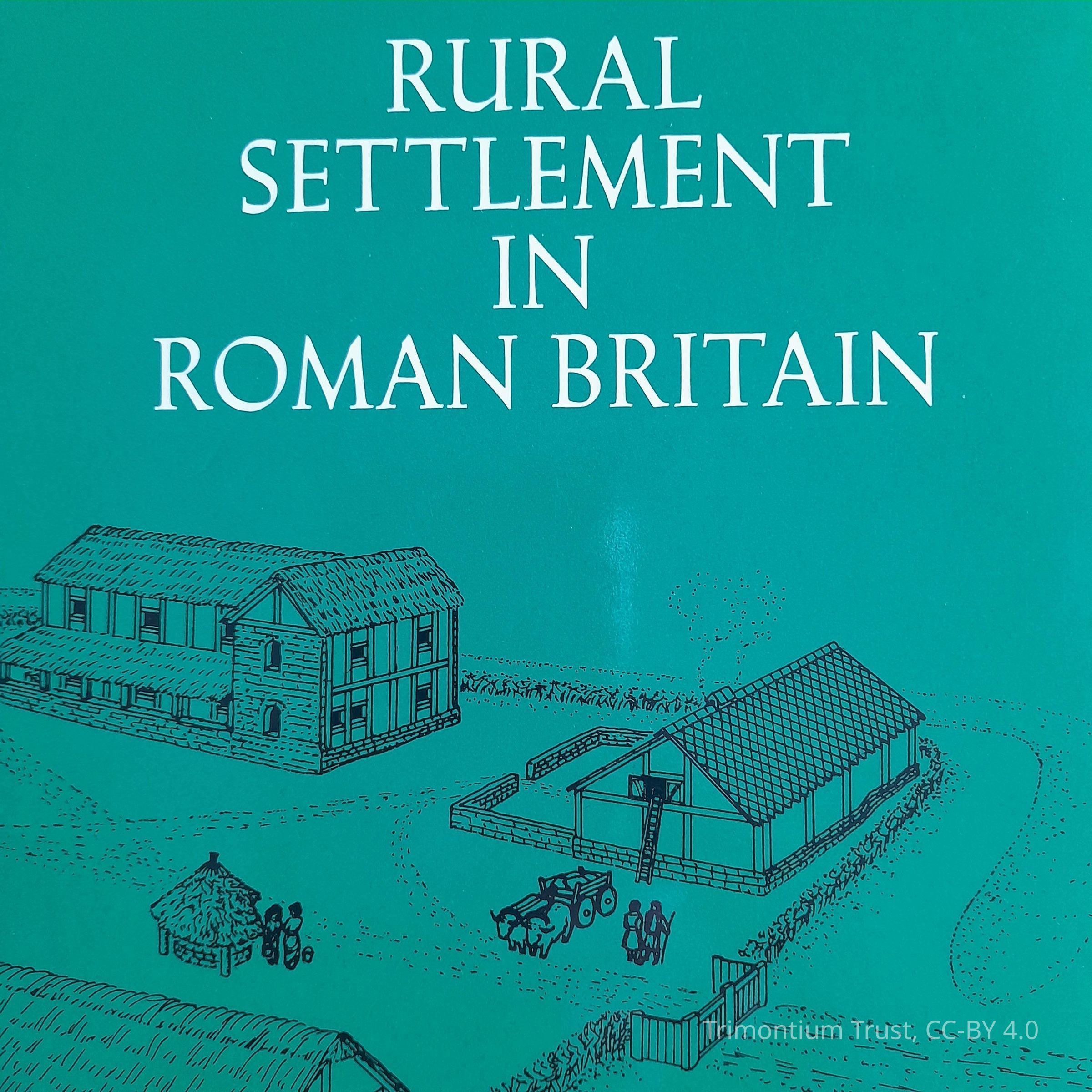
Twentieth-century archaeological research has provided a wealth of evidence for native settlement sites occupied during the period when Britain formed part of the Roman Empire. This new work differs from traditional studies, which usually discuss each type of site in isolation, by examining the network of rural settlements in Britain and the relationship between them.
A deliberate emphasis has been placed on the study of poorer and less impressive sites, often overlooked in other discussions of Roman Britain. It is argued that a knowledge of the way of life of those lower in the social scale is of equal importance to a knowledge of the rich and powerful.
The archaeological evidence is studied at various levels - the house, the farm compound, the settlement and the landscape - in order to interpret the social and economic organisation of rural communities.
This book provides a new and refreshing perspective, aiming at a full summary of the archaeological evidence rather than selecting sites to illustrate particular points derived from the more historically-based study of the Roman province.